
It’s time to maintain your Victorian sash windows, but do you repair and repaint them (again) or do you replace them? And, then do you choose timber or uPVC?
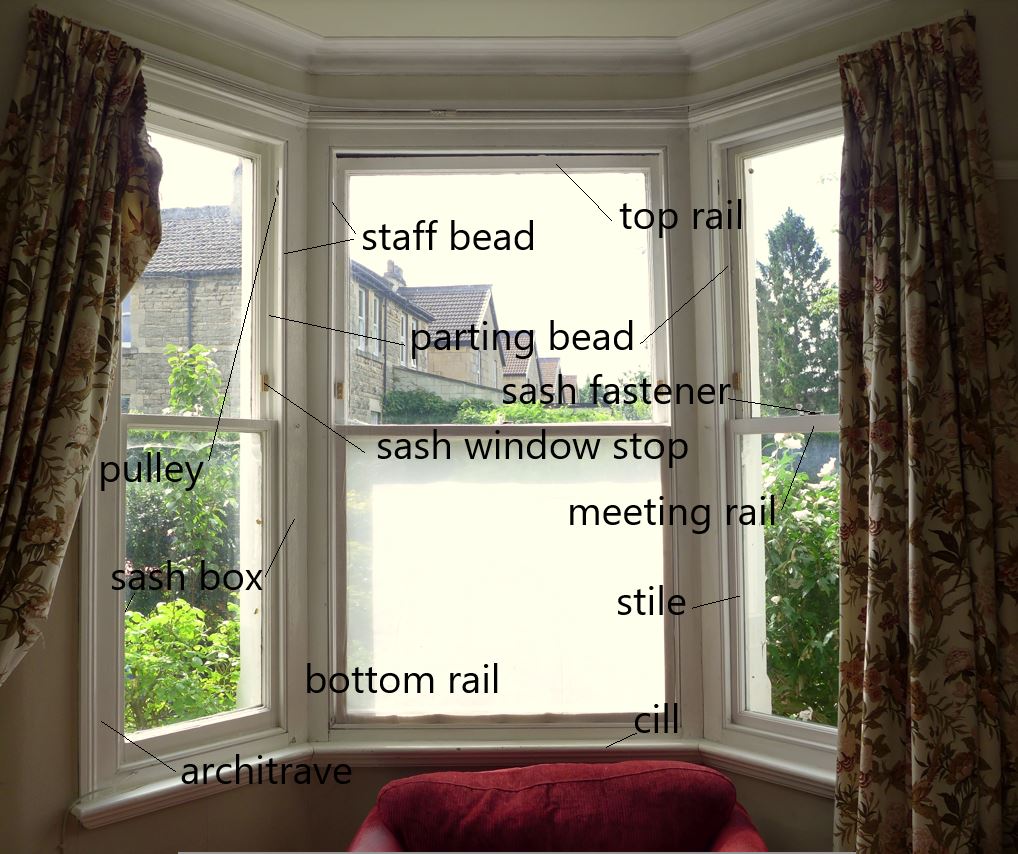
Sash window parts
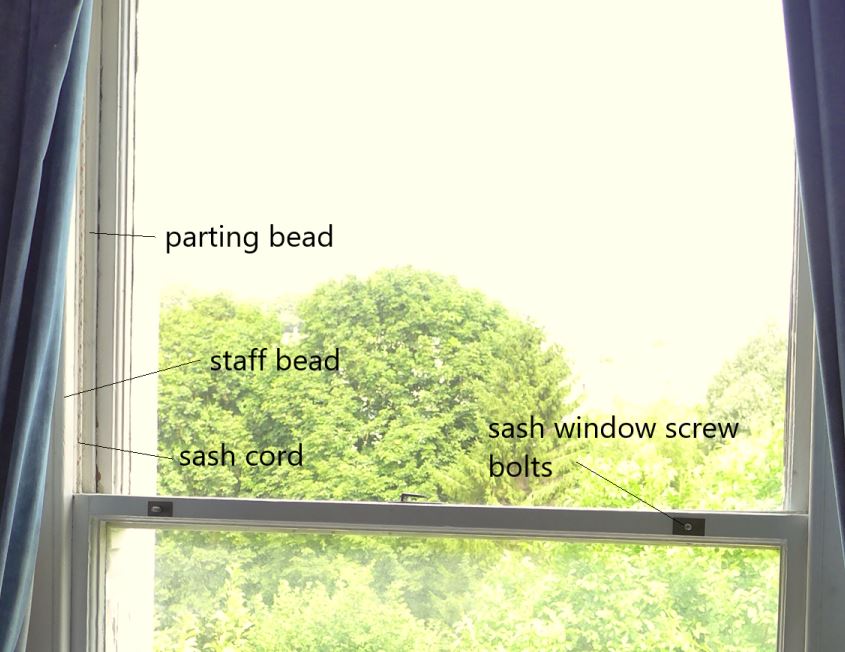
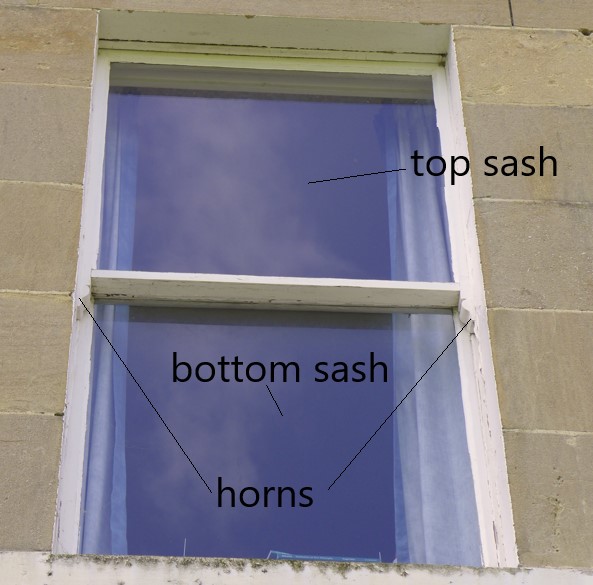
First, here’s a quick overview of a Victorian sash window’s main components.

Cost of replacing sash windows
Replacing sash windows is an expensive business whether in timber or uPVC. The installed cost for the uPVC models in this blog was around £1750 + VAT per window. Then again, a timber window repair can exceed £800 + VAT, especially if you need to fix the sash cords and lead weights. Not to mention £300 + VAT per window for minor repairs and decoration every five years or so. So you need to do your sums.
Timber or uPVC Victorian sash windows?
If you own a listed building, you may have no choice – your conservation officer will advise.
But for a property in a conservation area, whilst you may not need consent, you’ll still want your windows to look right. Walk up and down the street to see what your neighbours have done. What looks great? Knock on the door – if the owners are happy with their windows they’ll be delighted to tell you about them.
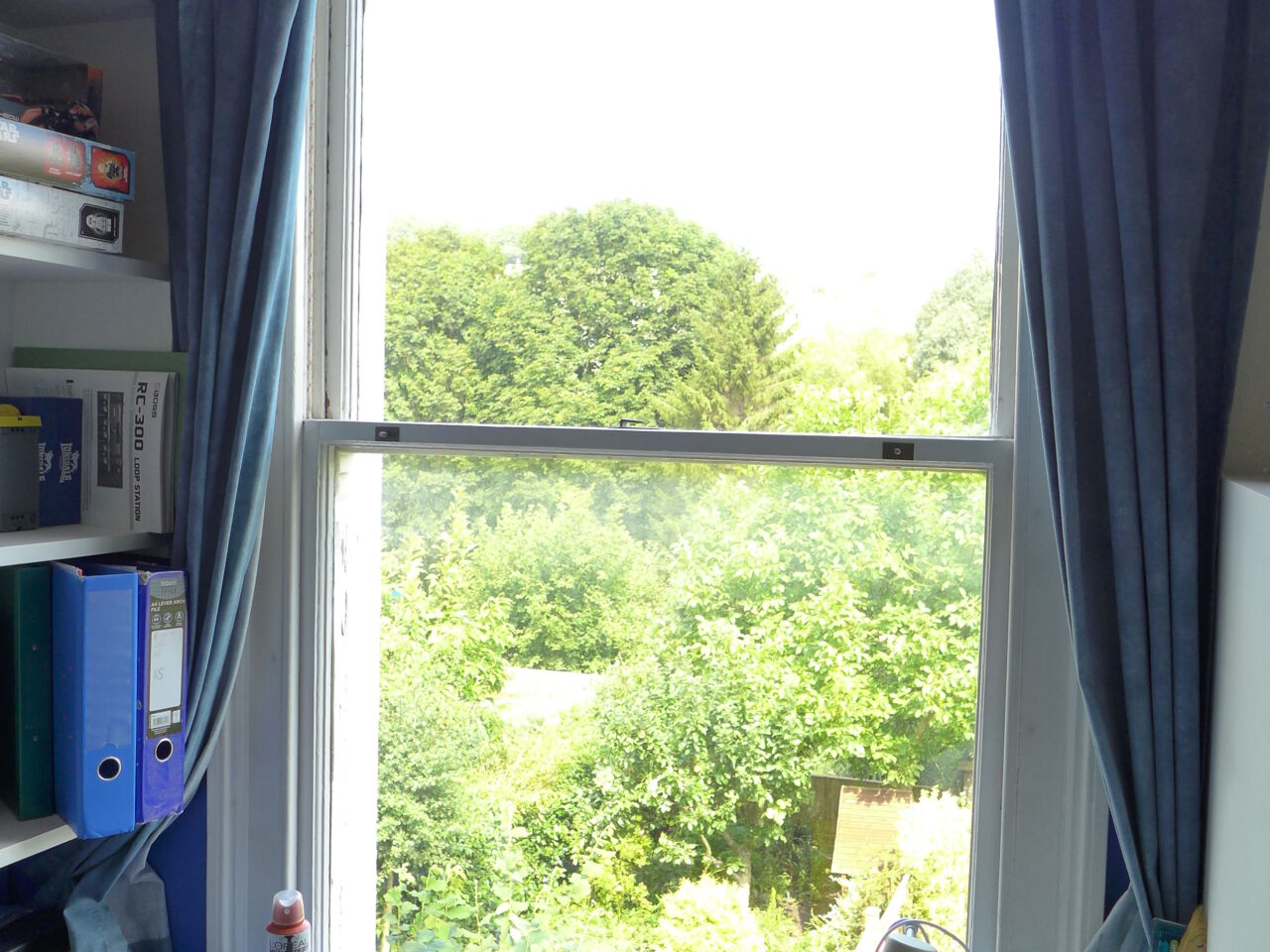
Old sash windows may be single-glazed, rattley and draughty. Often the sash cords are broken, with their lead weights sitting at the bottom of the sash boxes. So you can’t open them properly. Many Victorian and Edwardian sash windows are even painted shut.
Timber double-glazed reproduction windows would be a more authentic option. But you’d be hard-pressed to distinguish a high quality uPVC alternative from a distance.
uPVC reproduction sash windows
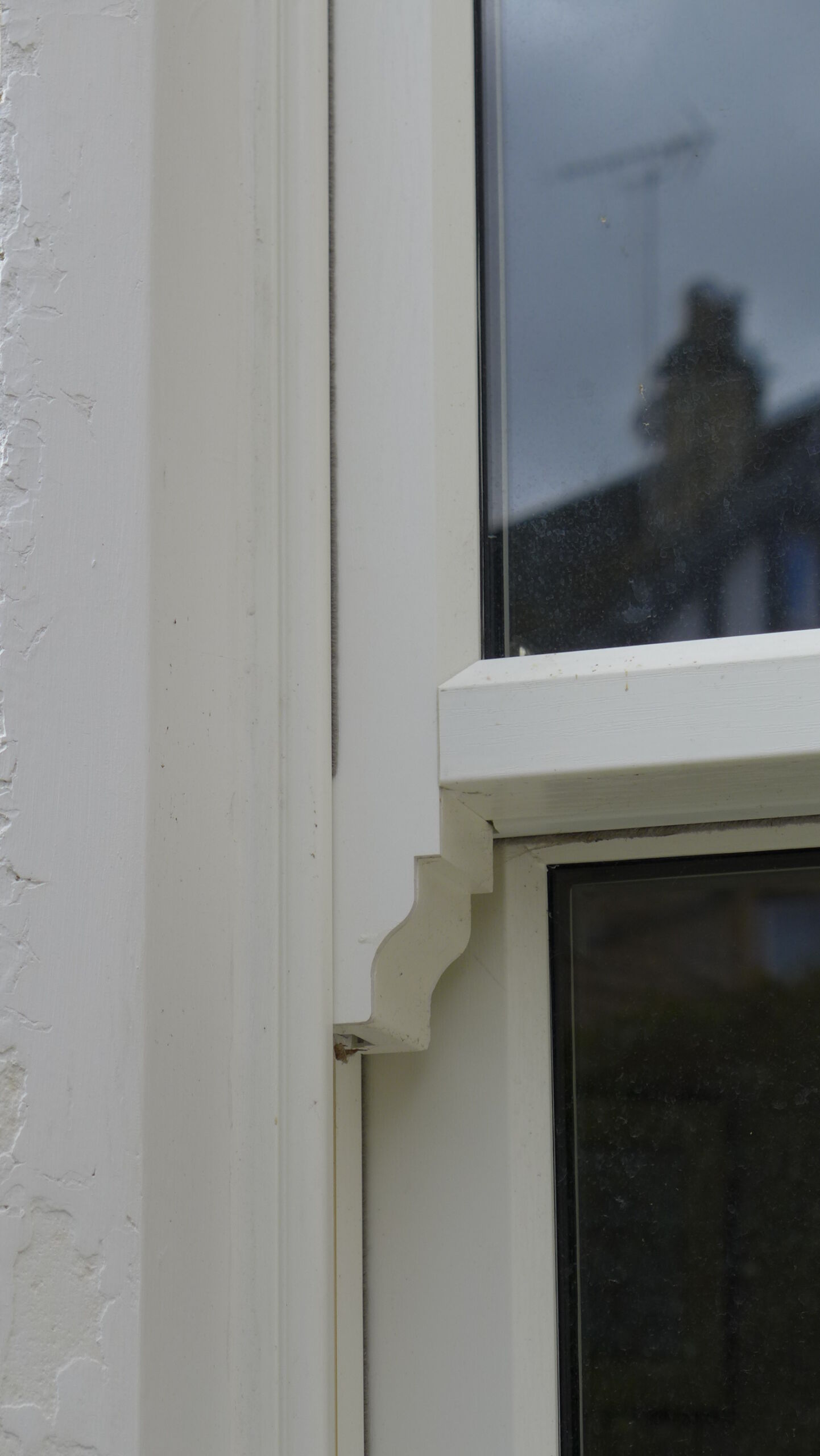
The devil is in the detail. Cheaper models may not even be sash windows. Some have a mock meeting rail, with only a hinged top “sash”. And look carefully at the corners where the stiles meet the rails; cheap windows are mitred, whereas a higher quality window would have the look of a tenon joint.
To overcome problems with sash cords and lead weights, uPVC windows use springs and friction, so you can open windows precisely.
Heat retention
Quality sash windows have a continuous horn, whereas cheaper models will simply stick on a separate piece. Higher-priced uPVC designs will have thinner sections and a deep bottom rail to reproduce a traditional timber window as closely as possible.
Ultimately, for heat retention, uPVC options have a low U value (argon or xenon-filled double-glazing) and incorporate brush insulation around the sashes. You’ll also notice a significant improvement in sound insulation.
uPVC sash window features

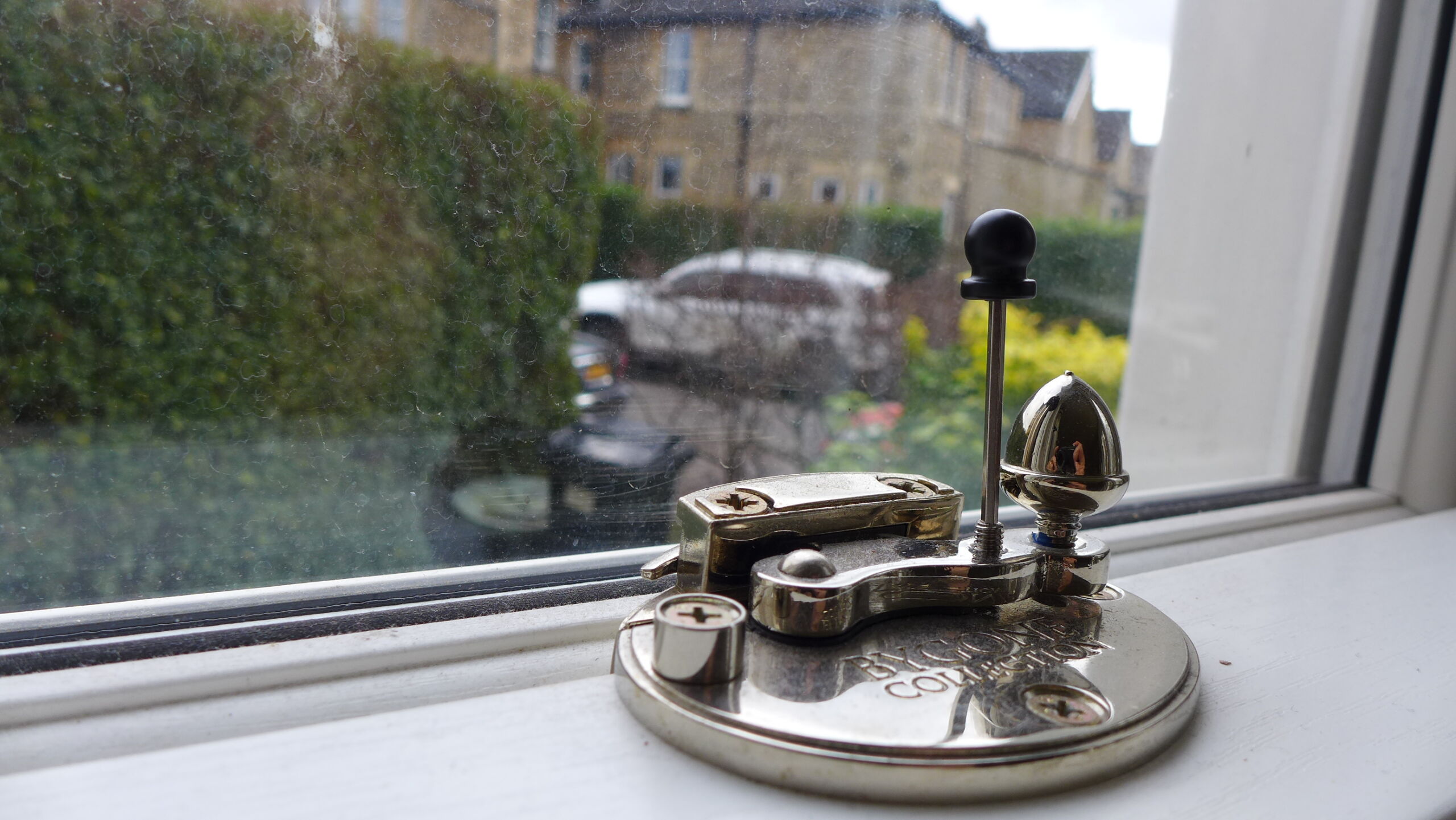
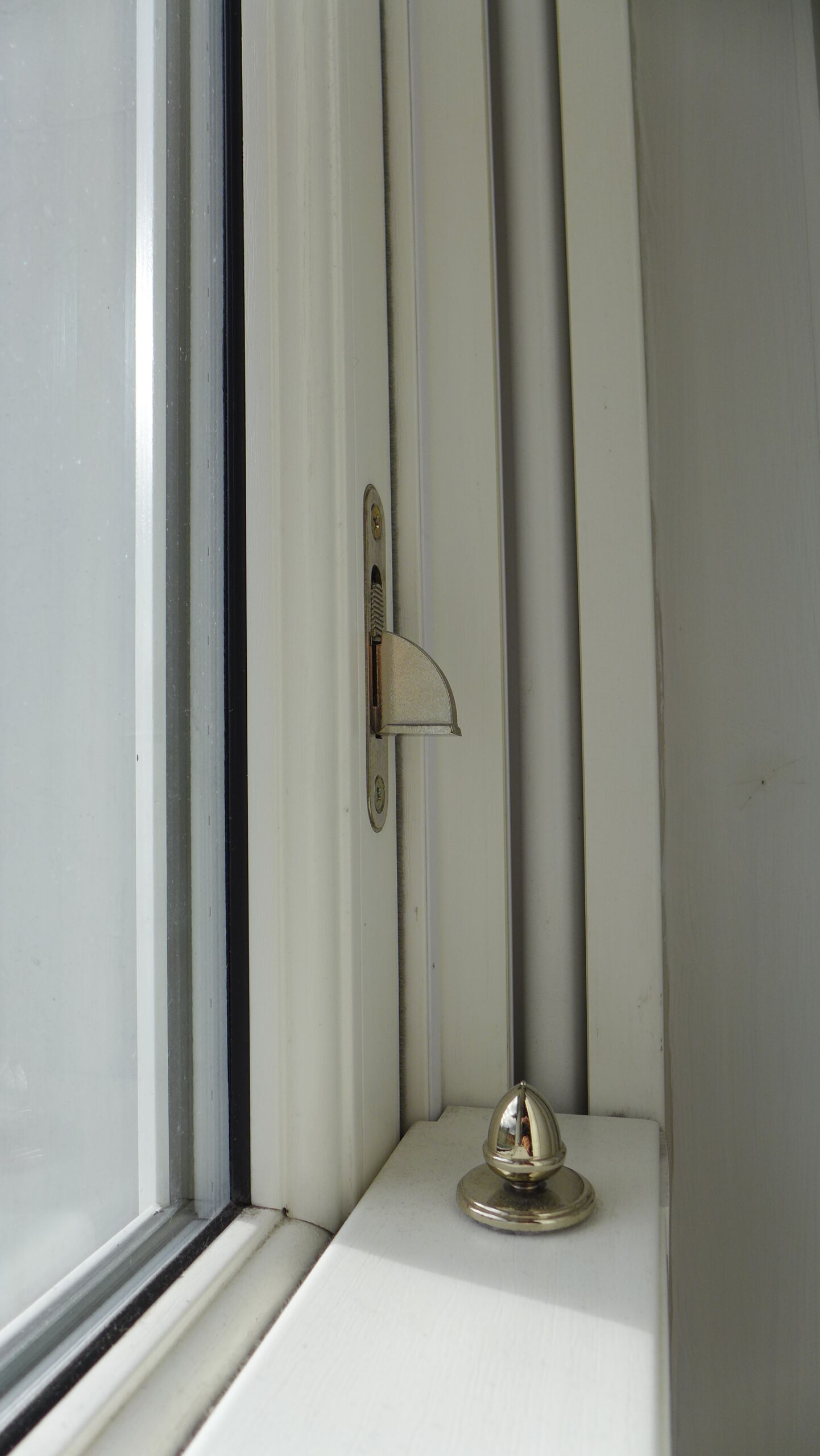
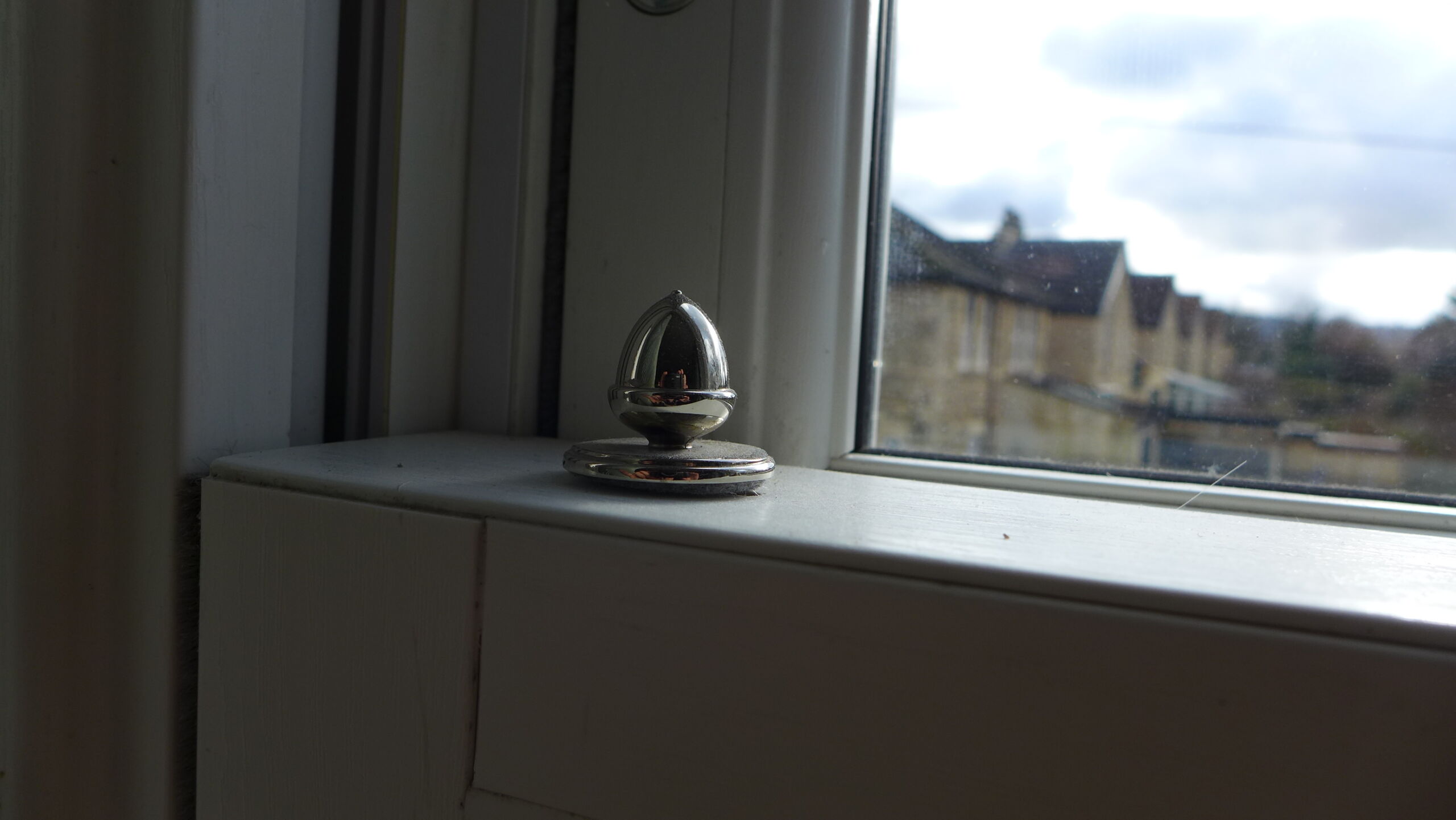
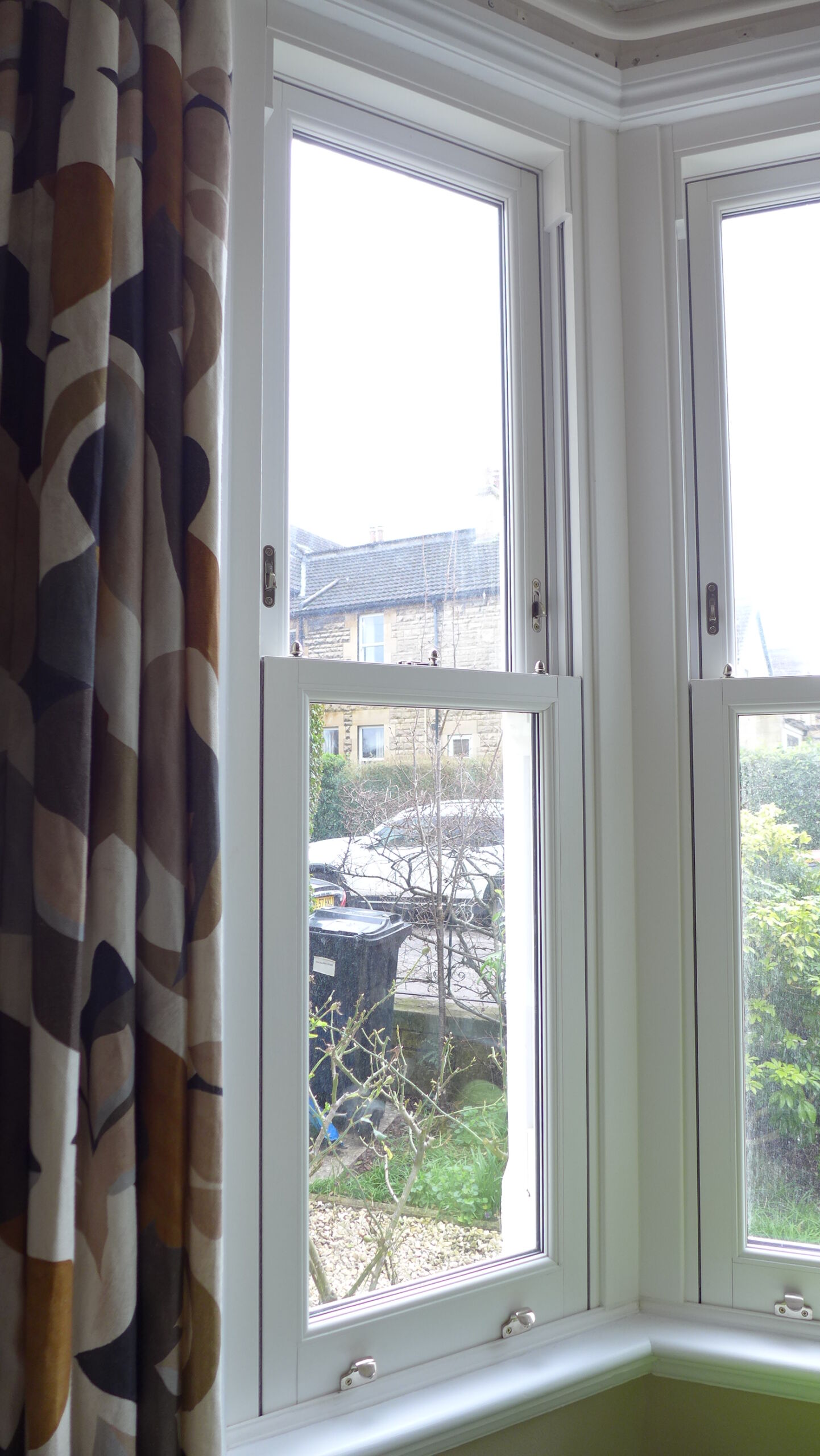
This design has a number of interesting features:
- The sash fastener incorporates extra security with an allen-key operated grub screw to prevent the latch being forced open.
- Each window incorporates a pair of stops, so you can raise the lower sash by 100mm or so, whilst maintaining security.
- The lower sash is released and tilted inwards by sliding the acorn shaped knobs – useful for cleaning first floor windows.
- Optional extras include finger sash lifts on the bottom sash, and pole pull rings on the top sash to help open particularly high windows.
- Some suppliers offer decorative beads (see component glossary above), but they serve no practical purpose for the uPVC design. For a timber design, the parting bead provides separation, allowing the sashes to pass each other; the staff bead stops the bottom sash from falling into the room!
Before and after sash window replacement
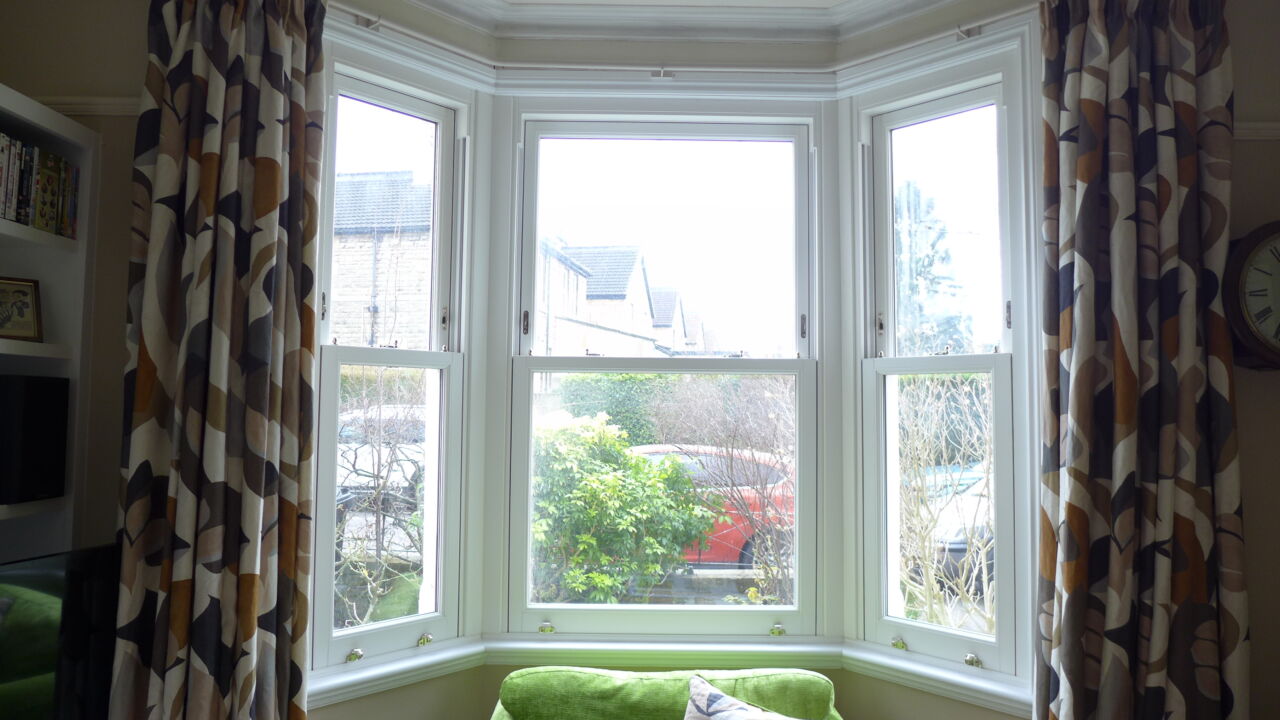
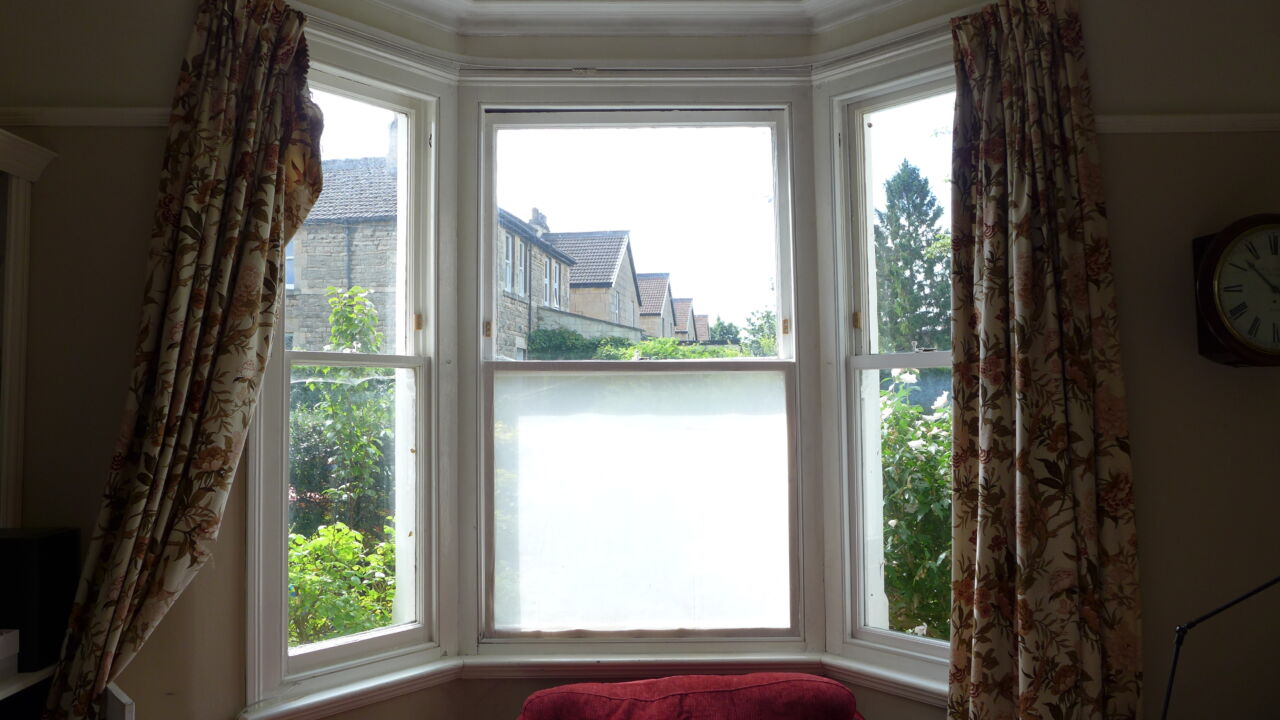
The purist might insist on timber replacement windows to suit a Victorian or Edwardian property. Makes perfect sense. But good quality, maintenance-free alternatives offer improved performance – and they don’t need to be painted every five years.
