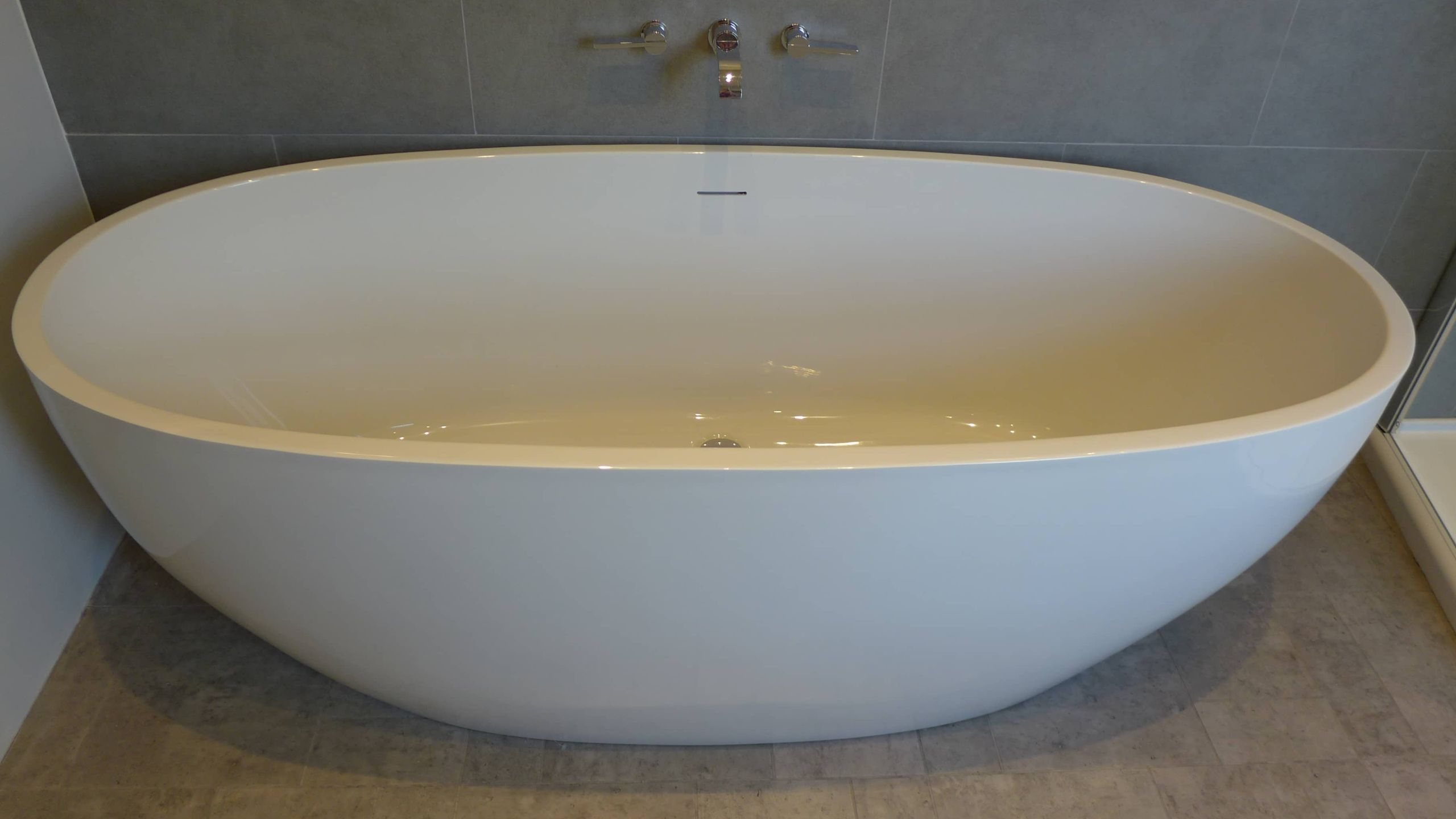
Just a reminder that you should lay out the full bathroom design first, to show where a new bathtub will fit. We’ve written a separate blog on how to design a bathroom, so refer to that when looking at your bathtub options in more detail.
Now onto baths and bathtubs:

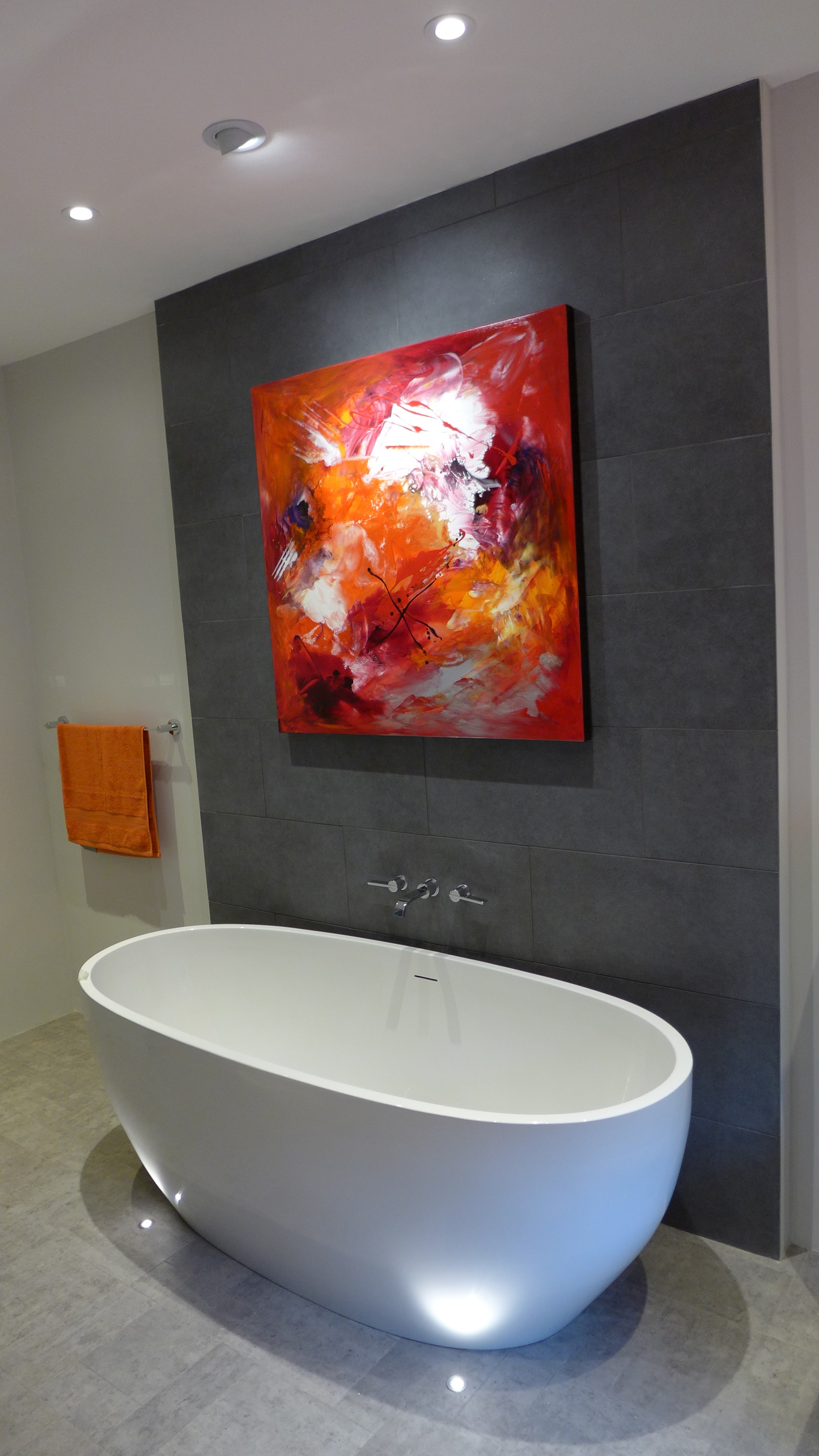
Baths and Bathtubs
This guide covers:
- styles
- materials
- taps and bath-fillers
- functionality
Popular bath types and styles
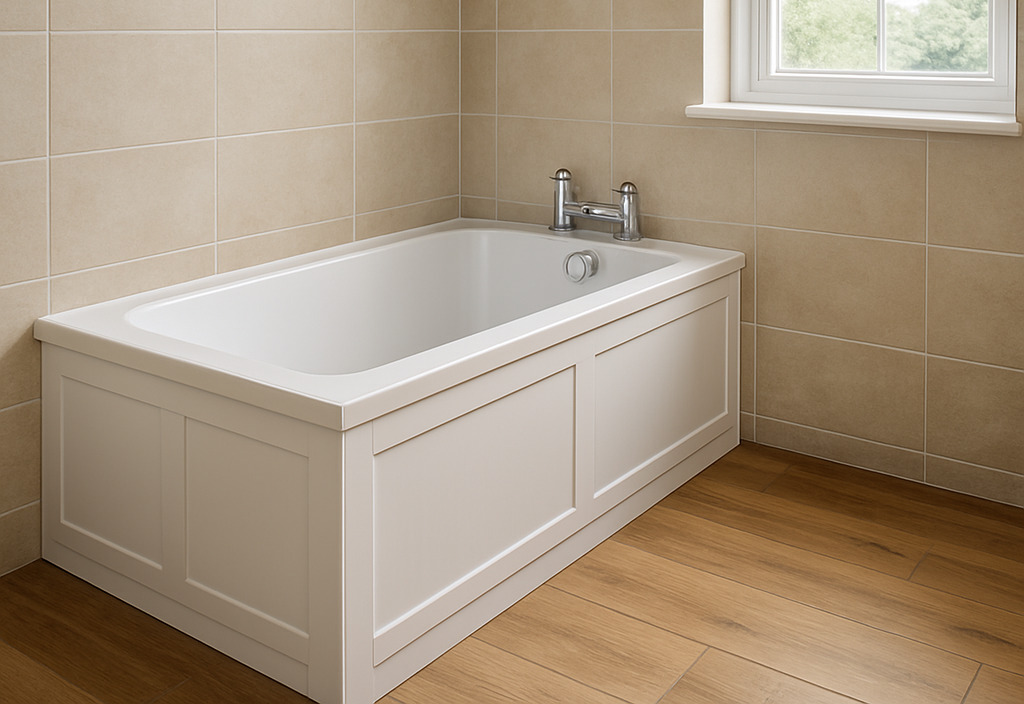
The most common bath type in UK homes is the standard, rectangular bath fitted against one or two walls. Typically measuring between 1500mm-1700mm in length, these practical options work well in most bathroom layouts. Large DIY shops offer affordable acrylic baths starting from £150, while others stock mid-range options with enhanced features like a reinforced base for improved durability.

Freestanding baths
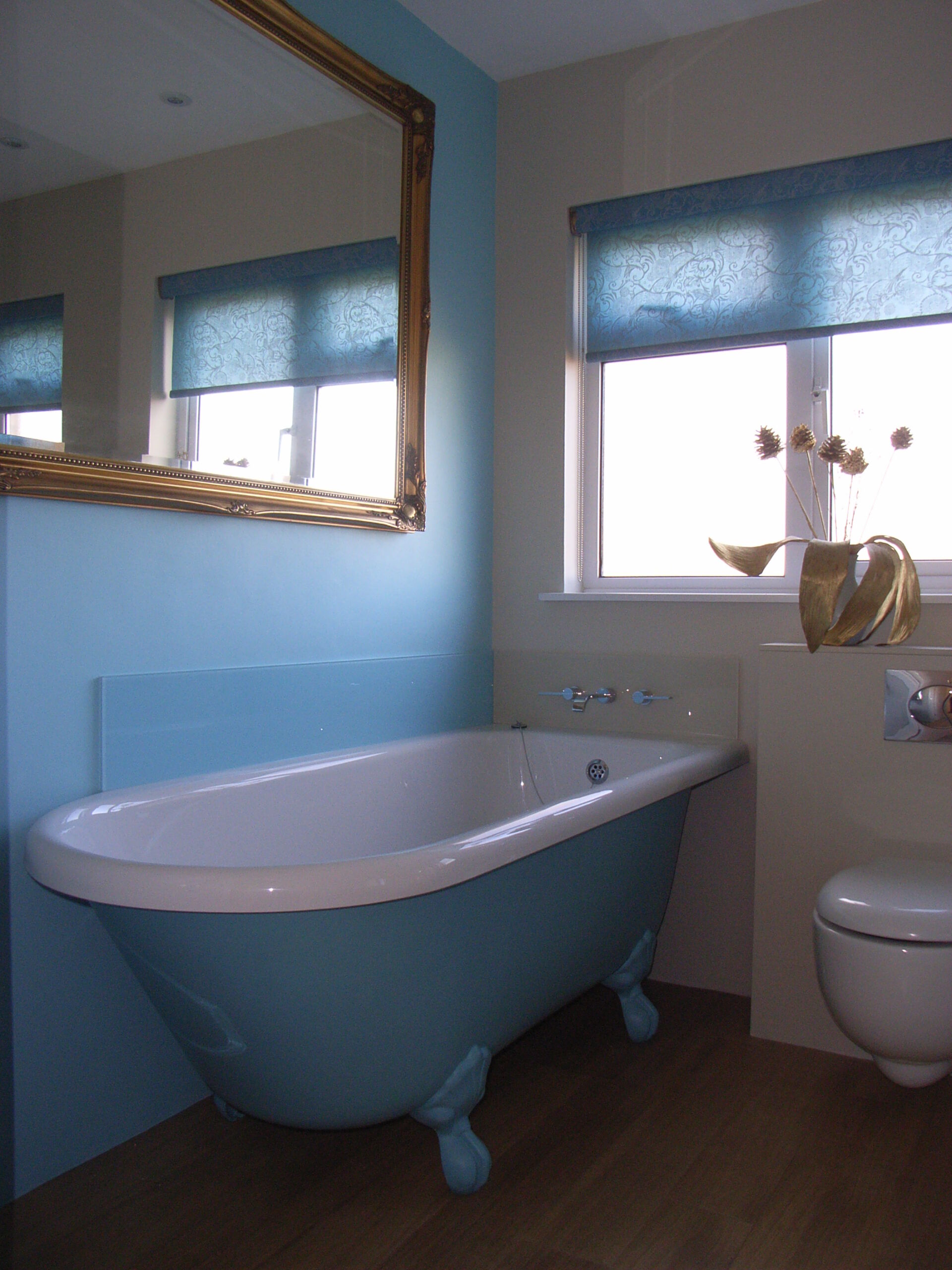
For those seeking a statement piece, freestanding baths create a luxurious focal point. Traditional roll-top and slipper baths evoke Victorian elegance, while contemporary freestanding designs offer sleek minimalism.
Premium suppliers specialise in high-quality freestanding baths, with prices ranging from £800 to several thousand pounds depending on materials and craftsmanship.
Space-saving options
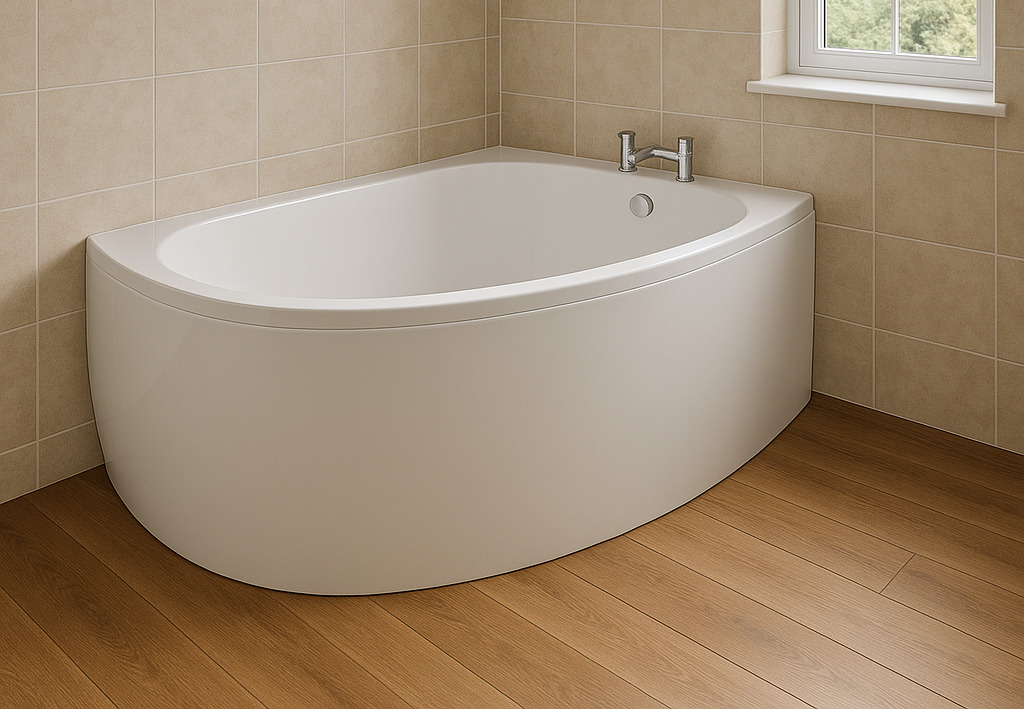
For smaller bathrooms, corner baths and compact bathtubs provide practical solutions:
• Corner baths: Maximise floorspace while still offering comfortable bathing
• Shower-bath combinations: Feature extended ends for comfortable showering
It’s worth mentioning that rounded baths create more floorspace in the bathroom. The popular, rectangular design described at the top of this article would appear to make best use of space because rooms have square corners. But the corners of the bath structure are effectively wasted. A shorter, 1500mm, freestanding bath holds as much internal volume, but its curved outer shape allows for more space to walk around a small bathroom.
Baths and bathtubs - materials and durability

Baths and bathtubs are made from a variety of materials (even timber, glass and gold!). But sticking to more regular options, budget is important, but so is durability.
Acrylic baths
The most popular choice in the UK market, acrylic baths offer excellent value. Lightweight, warm to touch, and available in countless designs, these baths typically last 10-15 years with proper care. Look for reinforced acrylic for improved durability and heat retention. They do scratch. so only clean with non-scratching products.
Stone resin baths
Combining natural stone with composite resin creates durable, luxury baths with exceptional heat retention. Quality companies offer stone resin options that mimic the appearance of natural stone at a more accessible price.
Cast iron baths
Traditional cast iron baths from heritage brands provide unmatched durability and heat retention. While heavier and more expensive (£1,000+), these baths can last generations with proper care.
Bath fillers and taps
Wall-mounted taps
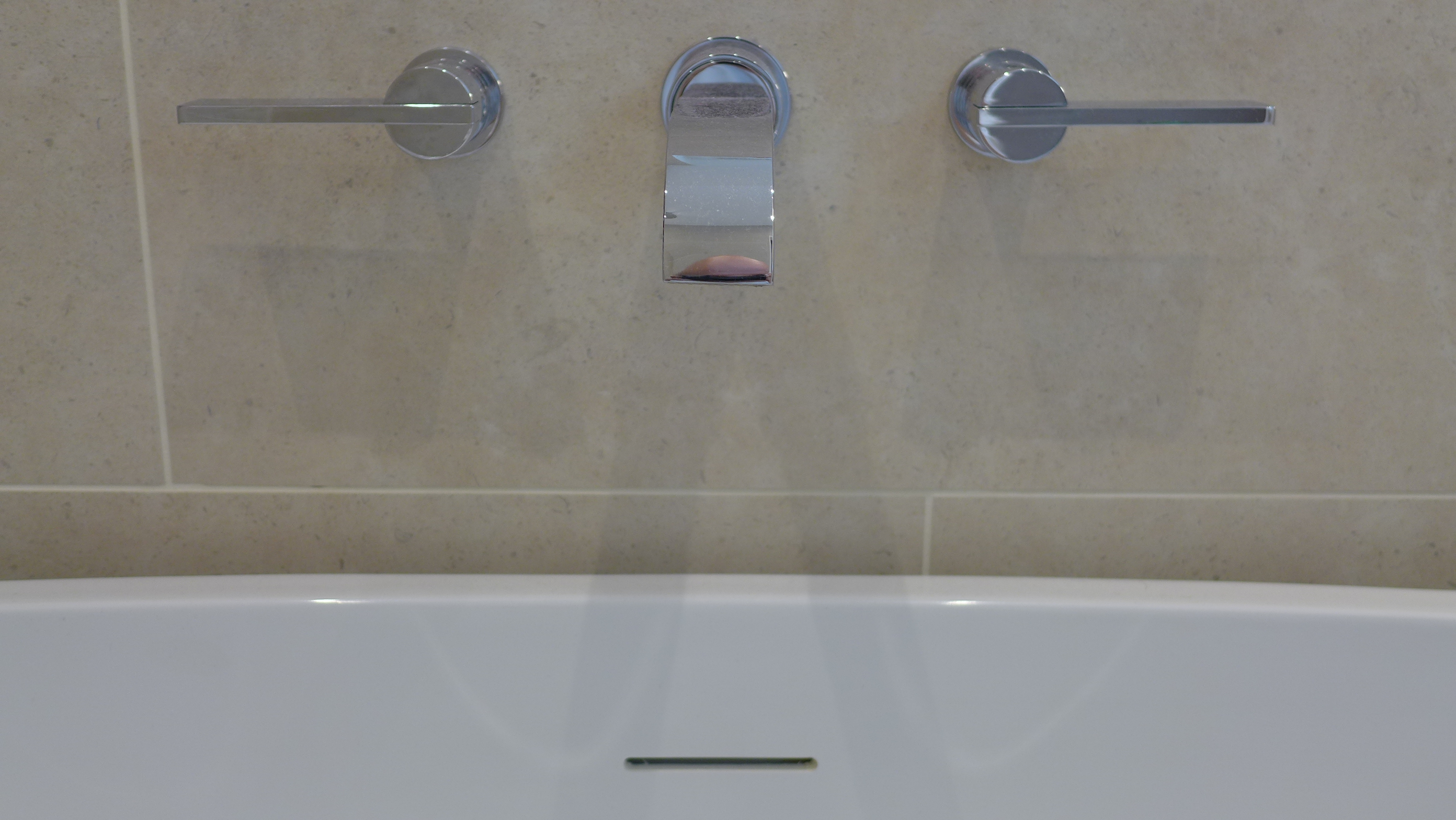
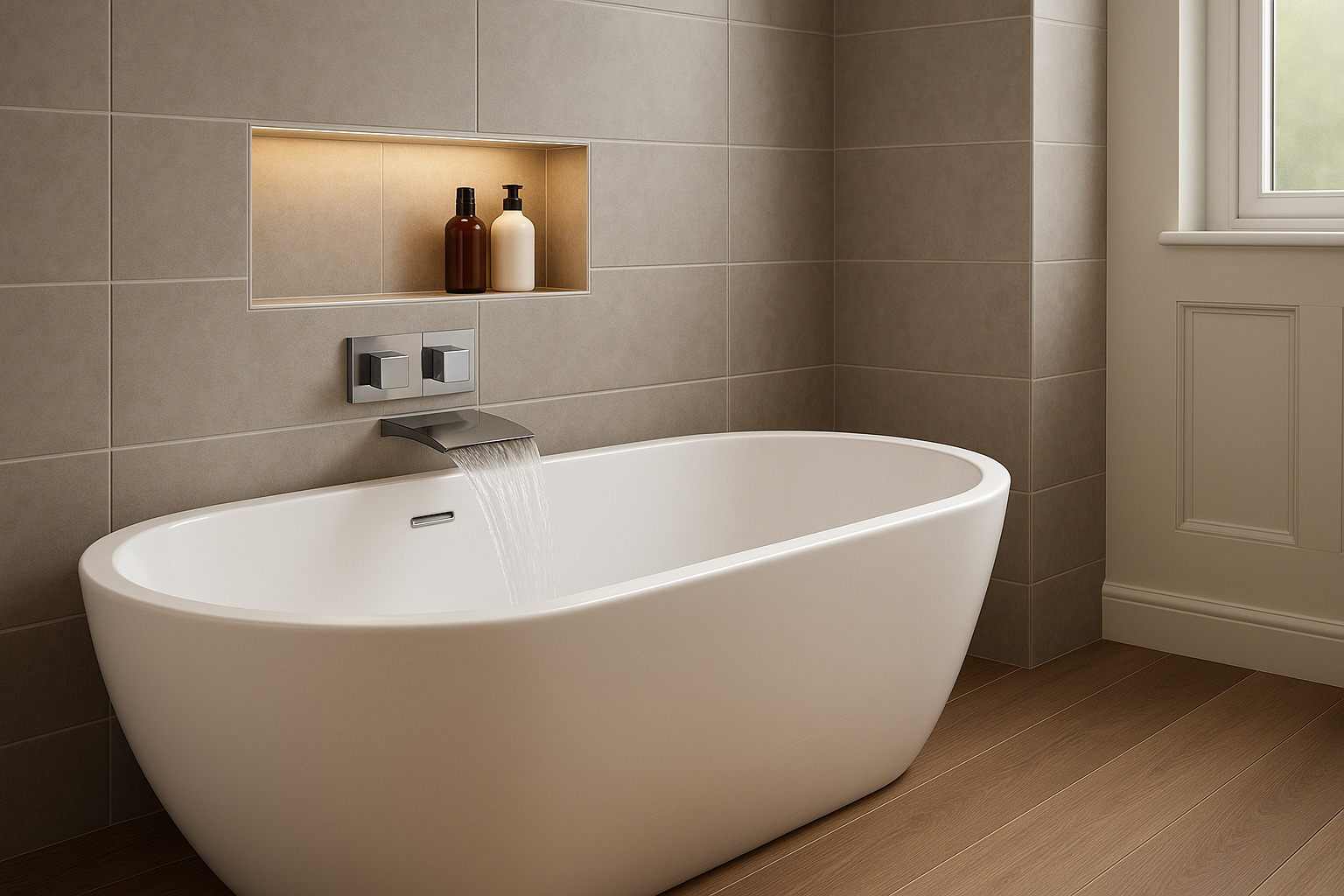
Increasingly popular in contemporary bathrooms, wall-mounted bath fillers free up space around the bath edge and create a clean aesthetic. Quality brands offer stylish chrome, brass, and matte black options.
Deck-mounted taps
Installed directly onto the bath itself, deck-mounted taps come in various configurations:
• Pillar taps: Traditional separate hot and cold taps
• Mixer taps: Single spout with temperature control
• Waterfall spouts: Create a cascading water effect
Freestanding bath fillers
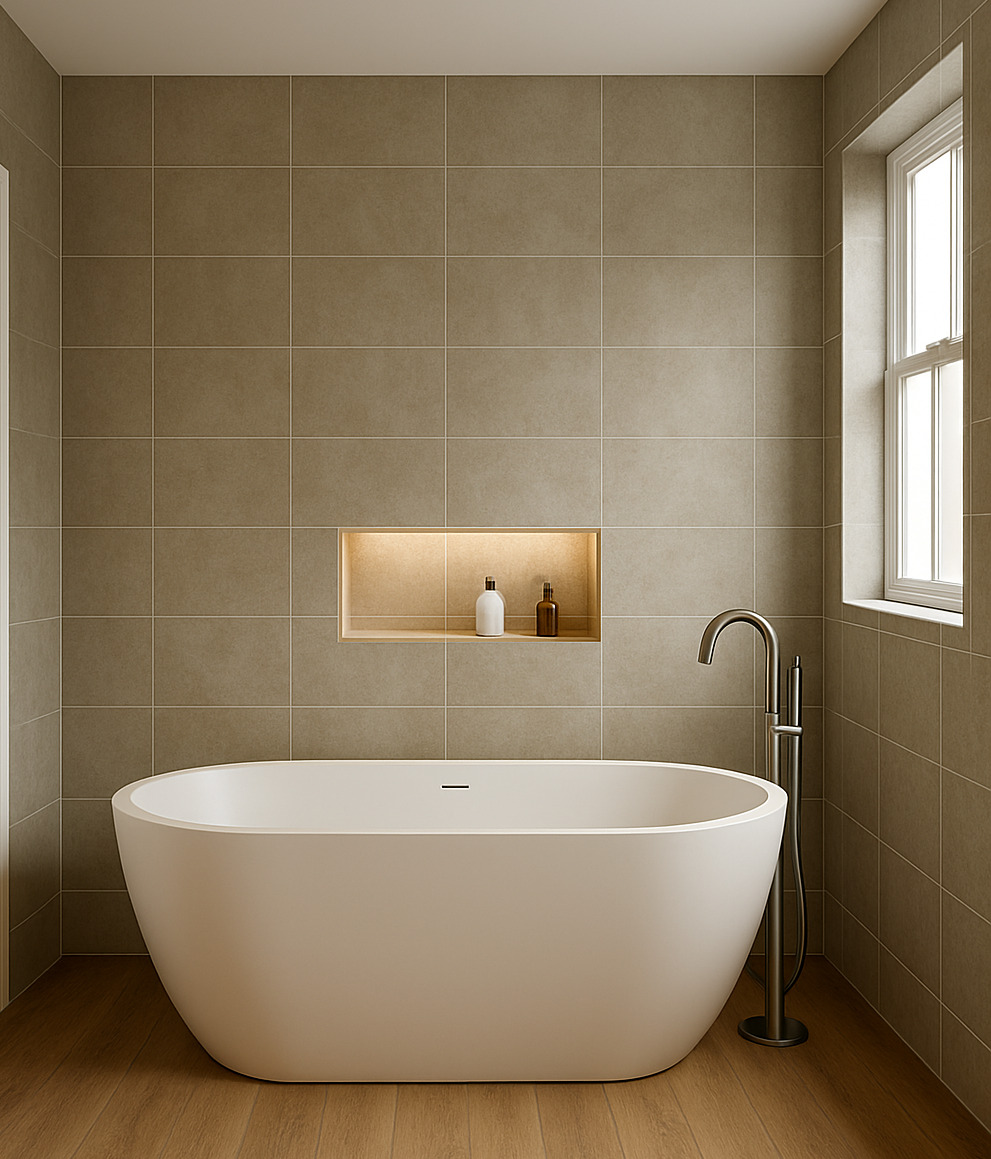
Floor-standing bath fillers complement freestanding baths perfectly. Ranging from traditional telephone-style designs to ultra-modern minimalist columns, these statement pieces from quality brands combine functionality with style.
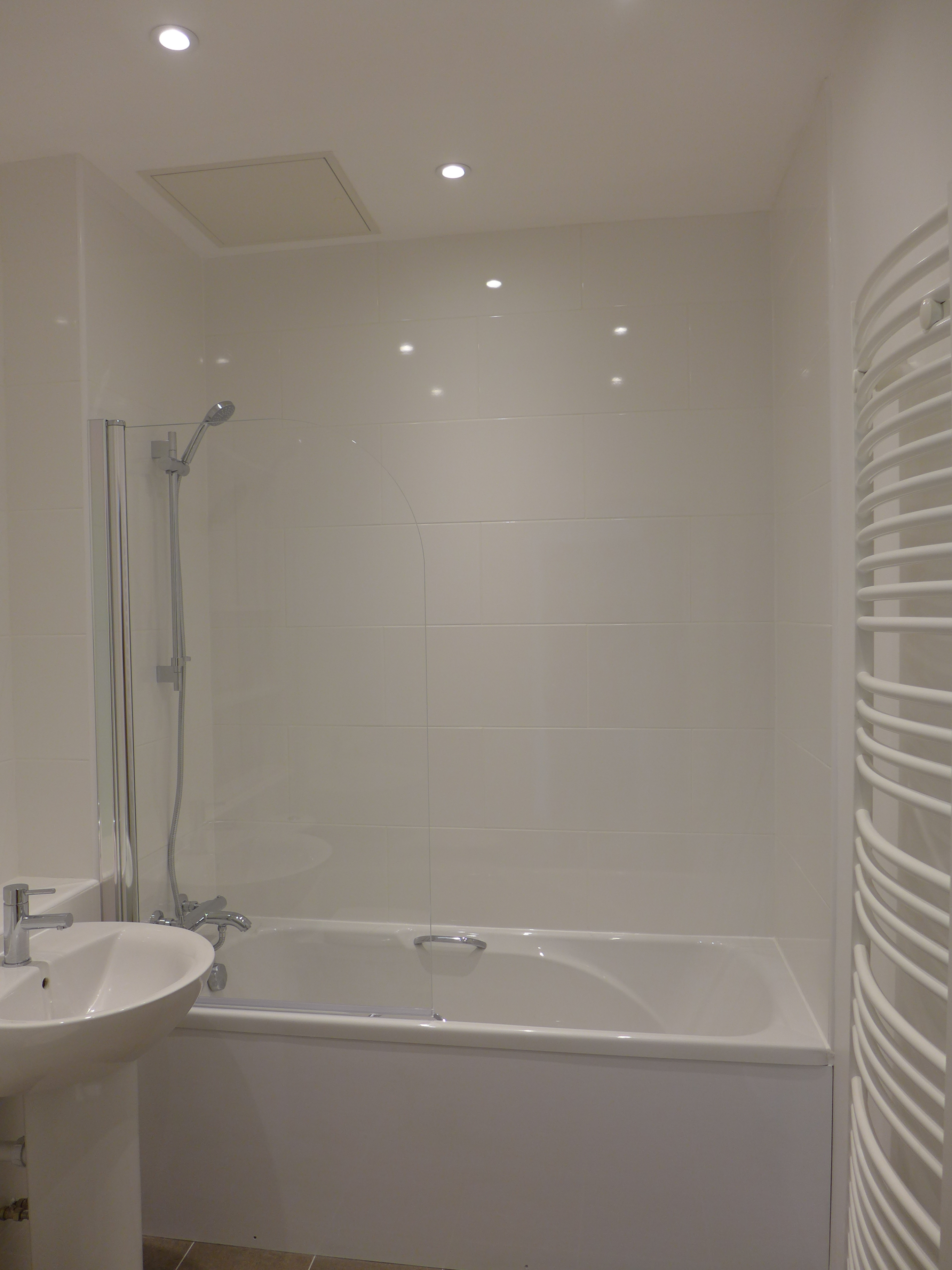
Shower-bath combinations
Many UK households combine bathing and showering facilities due to space constraints. Options include:
• L-shaped shower baths: Providing extra standing room at one end
• P-shaped shower baths: Featuring a curved showering area at one end
• Fixed bath screens: Offering a sleek alternatives to a shower curtain, with frameless options from companies like Matki providing contemporary elegance.
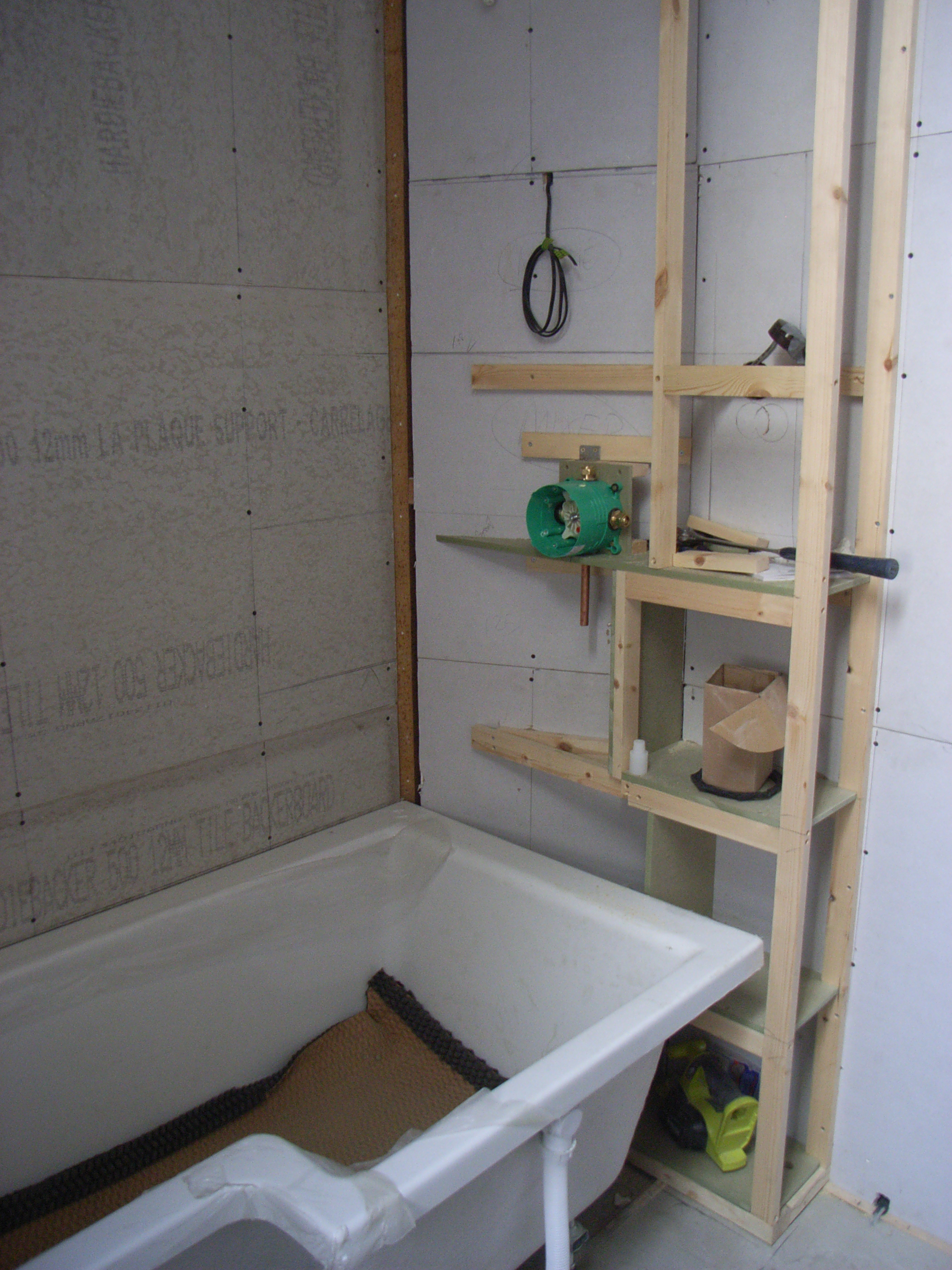
Installing baths and bathtubs
Before purchasing your bath, consider these practical factors:
• Ensure adequate floor support, particularly for heavier cast iron baths
• Check water pressure compatibility with your chosen taps
• Consider access to isolation valves for maintenance
Bath Accessories and convenience
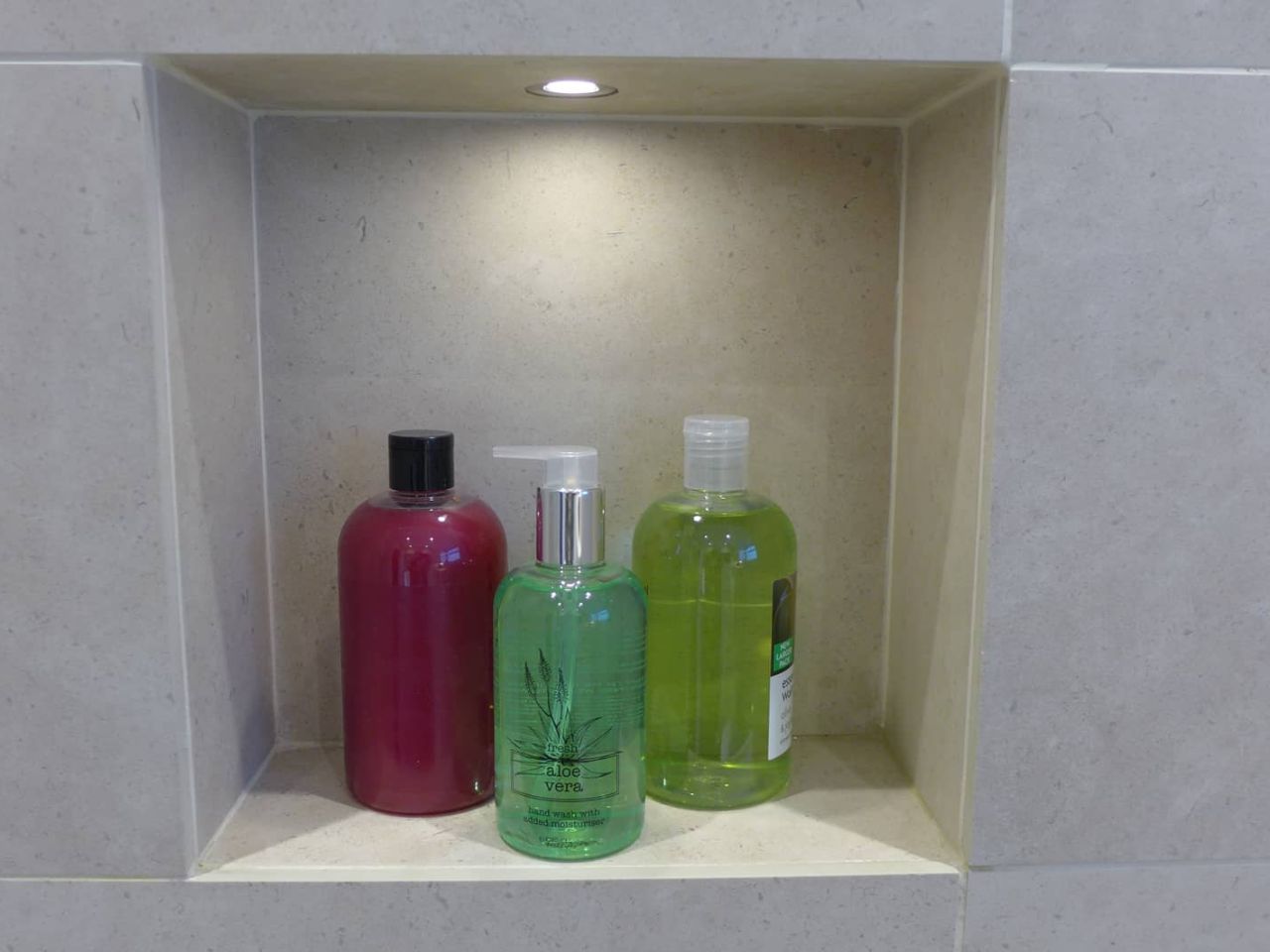
If you are carrying out a major bathroom renovation, consider recessing a niche into the wall for shampoos. Make sure you can reach it from a seated position.
If that’s not possible, you could fit a soap basket to the wall, or a bath rack across the bath.
Also consider fitting a towel rail within reach; ideally a towel warmer for real luxury.
Transforming your bathroom means selecting the perfect bath. Whether you prefer traditional elegance or contemporary minimalism, today’s market offers options to suit every taste, space and budget.
At Style Within, we offer guidance tailored to your specific requirements, integrating seamlessly with your bathroom vision.
If you want to discuss ideas with us, please get in touch and we’ll help you choose the best bathtub solutions for your space, lifestyle, and budget.
