

1. Understanding your lifestyle
Interior designers excel at adapting spaces to real lives.
When a designer walks into your home, they’re not just seeing walls and furniture. They’re observing how your toddler races around the kitchen island, noticing where your dog’s favourite napping spot catches the afternoon sun, or understanding that you need a quiet corner for video calls whilst working from home.
AI might suggest a stunning open-plan layout, but it can’t account for your teenager practicing violin, or the storage you need for kitchen gadgets.
Designers ask the right questions and discover lifestyle patterns – personal insights to create spaces that actually match your needs. So how good is AI at understanding space and proportion?

2. Mastering spatial awareness and proportion
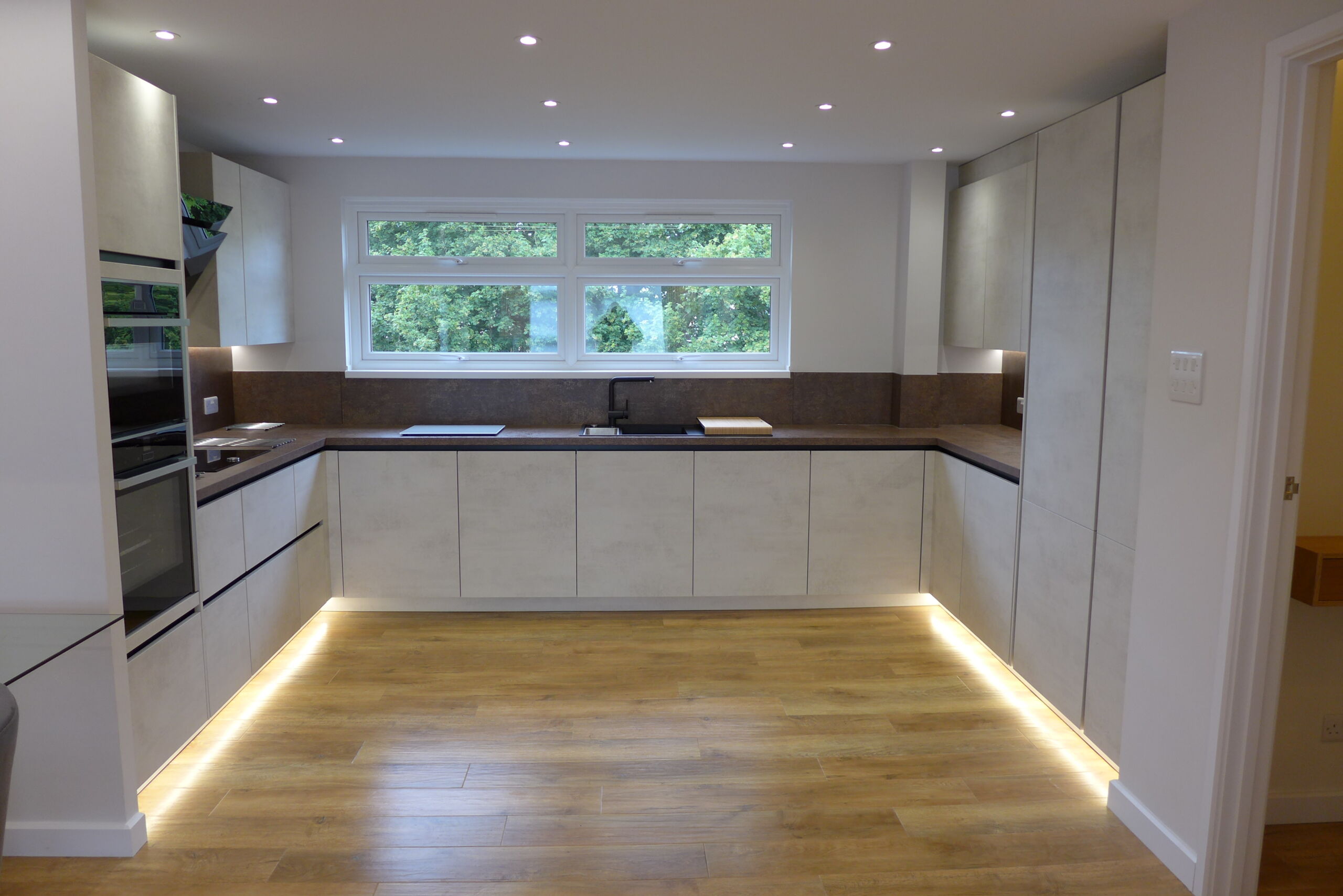
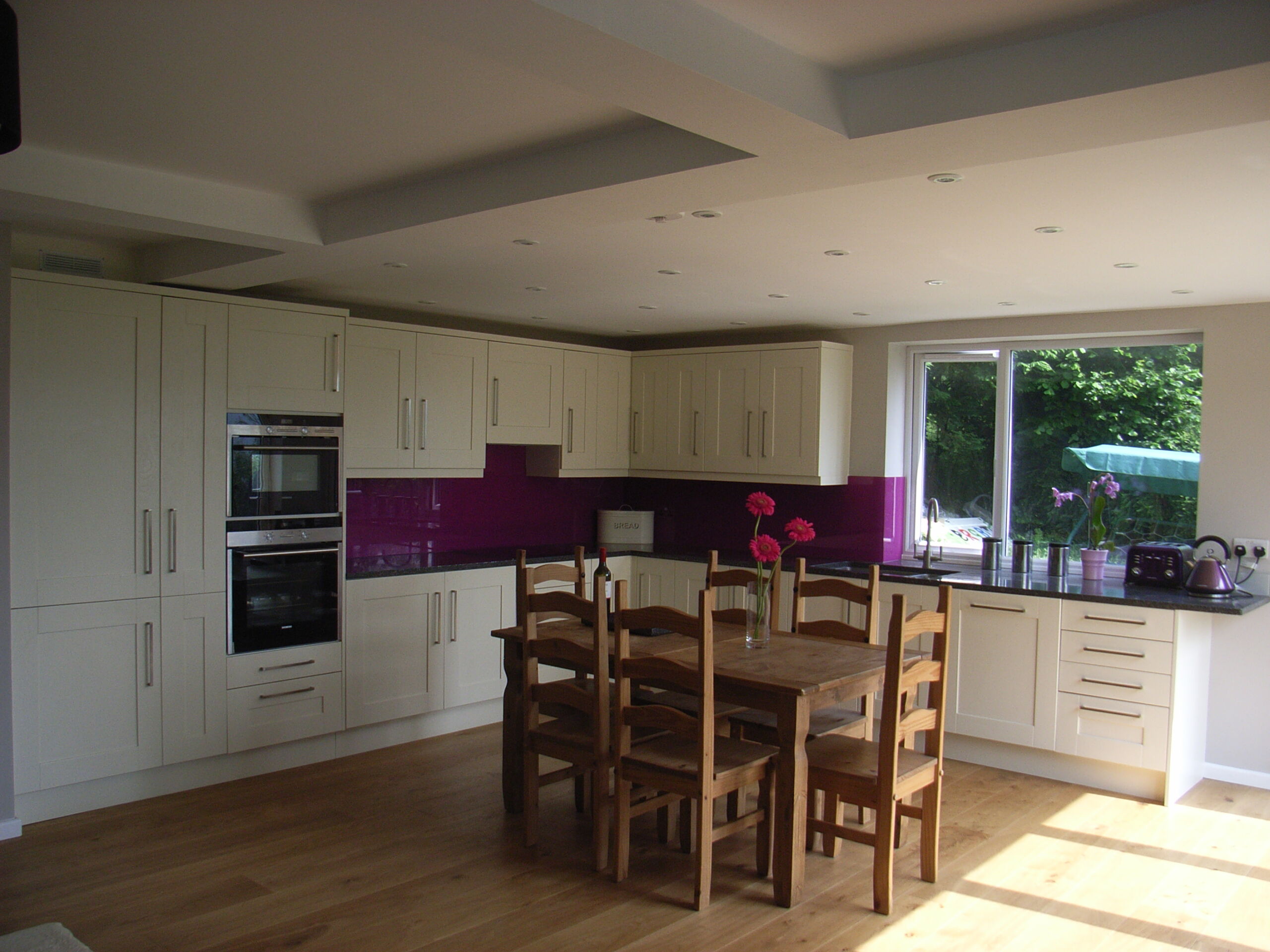
Designers possess an intuitive understanding of space, light, and flow that AI simply cannot replicate.
Walk into a room designed by a professional, and you immediately sense the difference. Everything feels right – the sofa isn’t overwhelming the space, lighting creates the perfect ambience, and moving round the room feels natural.
Spatial intelligence comes from years of experience understanding how dimensions work in real life, not just on a screen. Designers know that a 2.5-metre sofa might look perfect in a 3D rendering but will dominate a narrow Victorian living room. They understand how the glare from morning light might blind someone seated in that reading chair.
AI will suggest a visually appealing layout, but will it work when your living in the space. Understanding use of space is vital but what else is there about a space that an interior designer will spot, but AI would not?
3. Creative problem-solving in real environments
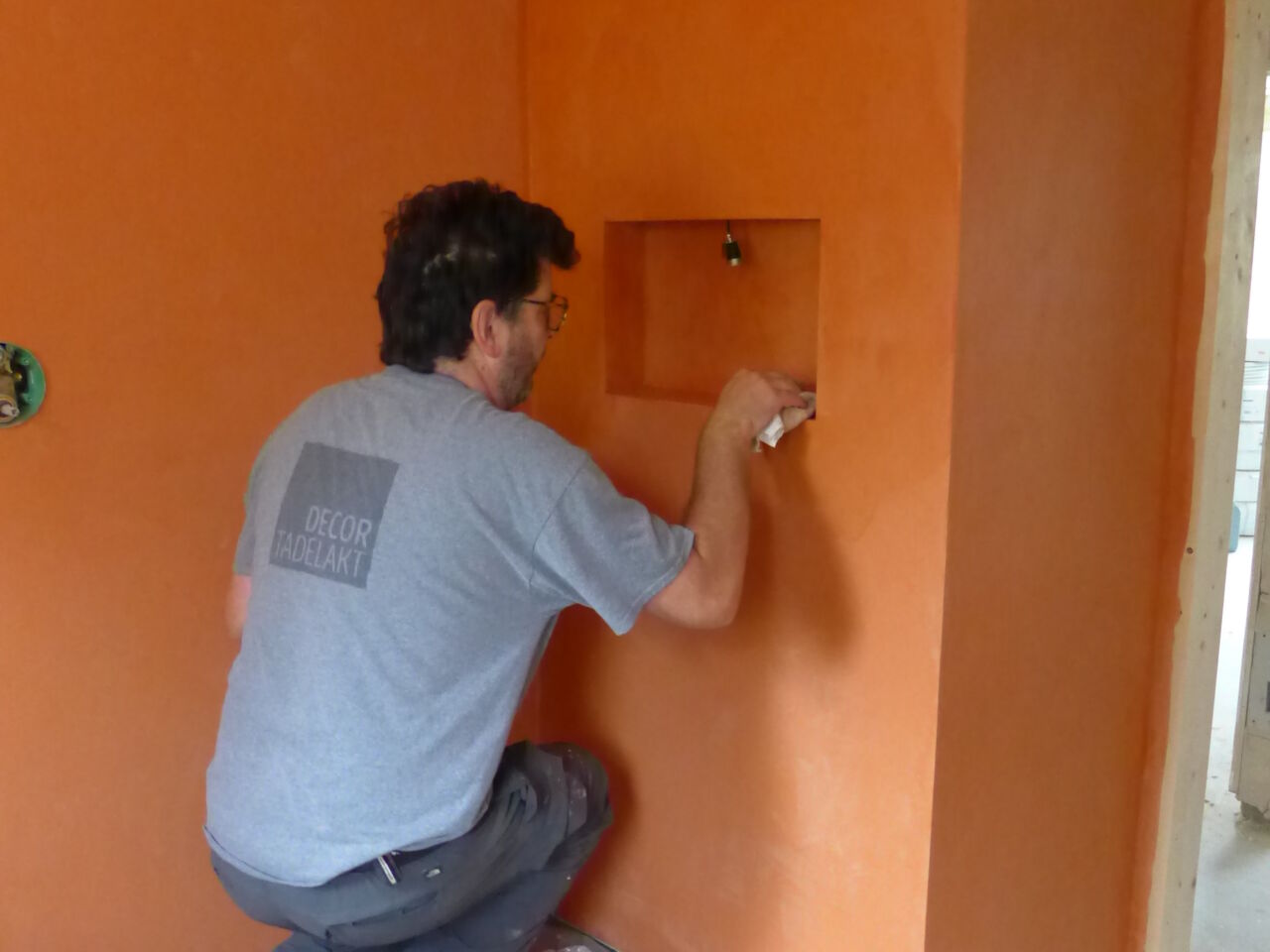
Every home has its quirks, and interior designers thrive on turning challenges into design opportunities.
Your home isn’t a blank canvas – walls aren’t necessarily square, windows may be located awkwardly, there may be a structural beam to work with. Almost certainly, hidden pipes and joists won’t run exactly where you thought. AI generates solutions for perfect rooms that don’t exist in reality.
Interior designers need to solve these challenges; they can’t ignore them. They’ll transform that awkward alcove under the stairs into a cosy reading nook, or hide unsightly pipes cleverly behind beautiful built-in shelving. At Style Within, we’ve dealt with may such situations and developed a playbook of creative solutions.
Now let’s look at some other challenges, with which AI will struggle:

4. Navigating building codes and safety requirements
Legal compliance and safety standards require human expertise that AI cannot guarantee.
Building regulations, fire safety and accessibility requirements aren’t just suggestions – they’re legal requirements. They can affect your insurance, property value, and most importantly, your family’s safety.
An interior designer would know what renovations would require planning permission. They’ll identify which walls can be removed easily, and which would require a steel with building control approval. AI has little understanding of these legal frameworks and cannot take responsibility for safety compliance. Practical expertise cannot be overstated here against an AI counterpart. We have a separate page on planning applications.

5. Real-world material knowledge
Years of experience with materials provide insights that no online database can match.
AI might suggest gorgeous fabrics based on visual appeal, but a designer knows that a curtain fabric is no use for a sofa, or loop pile carpets are unsuitable for pets.
This knowledge comes from understanding how materials perform over time, learning from both successes and failures. Designers can predict that beautiful leather sofa will develop a patina, and that a trendy concrete floor will feel uncomfortably cold during the winter months, without underfloor heating.
So understanding materials remains a key interior designer’s skill, as is the cost; something AI is unlikely to take into consideration reliably:
6. Expert budget management
Designers excel at maximising your investment.
Creating beautiful spaces within budget constraints requires strategic thinking that goes far beyond AI’s capabilities. Professional designers know where to invest for maximum impact and where smart savings won’t compromise on quality.
We might suggest investing in a high-quality sofa that will last decades whilst also recommending cost-effective LED lights to save on your electricity bill. AI, instead, generates a fantasy without financial consideration. Your interior designer will create an achievable plan that balances your dream renovation with your budget.
Next, is one of the best ways we help keep the cost of renovation down:
7. Coordinating vendors and contractors
Project management and human relationships are uniquely human skills.
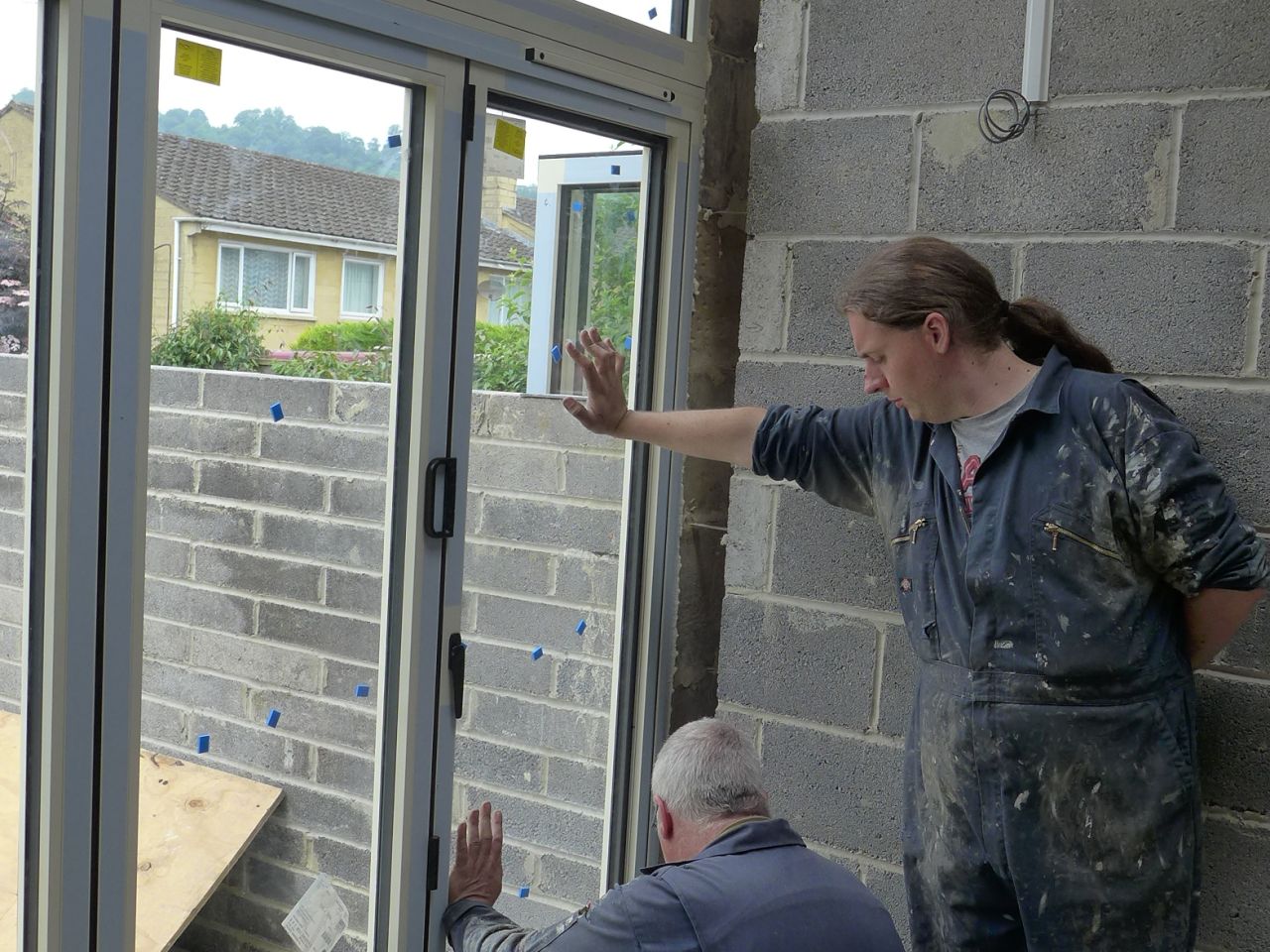
Renovation projects involve coordinating multiple tradespeople, managing delivery schedules, and navigating the inevitable hiccups that arise during any building work. Designers that also act as project managers, can communicate between different parties, keeping theior unique understanding of the finished project in mind.
When your electrician discovers unexpected wiring issues, or when your favourite tiles are suddenly discontinued, designers adapt quickly, keep projects moving forward and stop costs spiralling out of control.
AI cannot pick up the phone to chase late deliveries or negotiate with suppliers when problems arise. They cannot communicate with builders, grapple with realistic timelines, and have established relationships with reliable contractors.
This human element of interior design extends to something even more personal…
Why Professional Design Expertise Matters More Than Ever
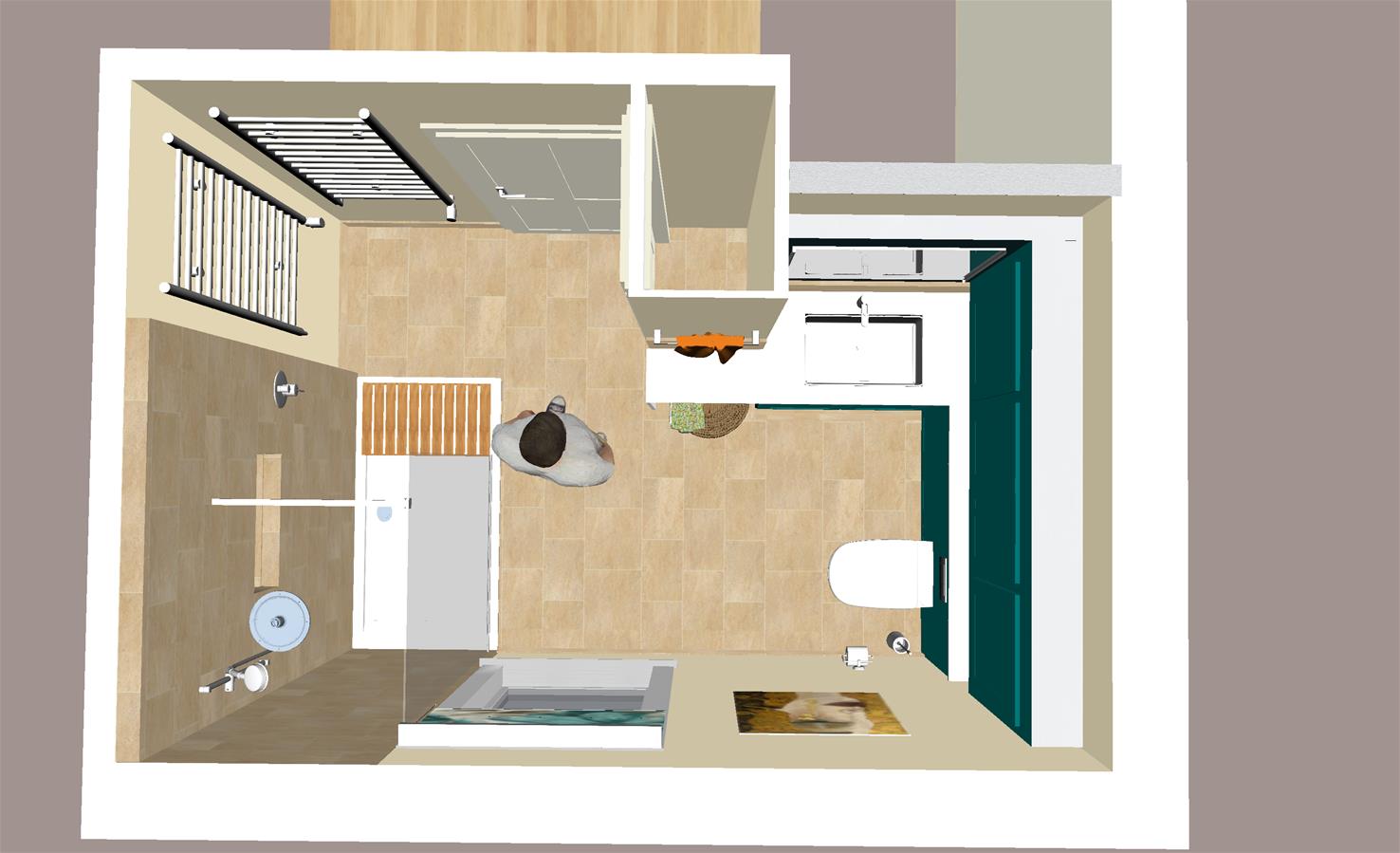
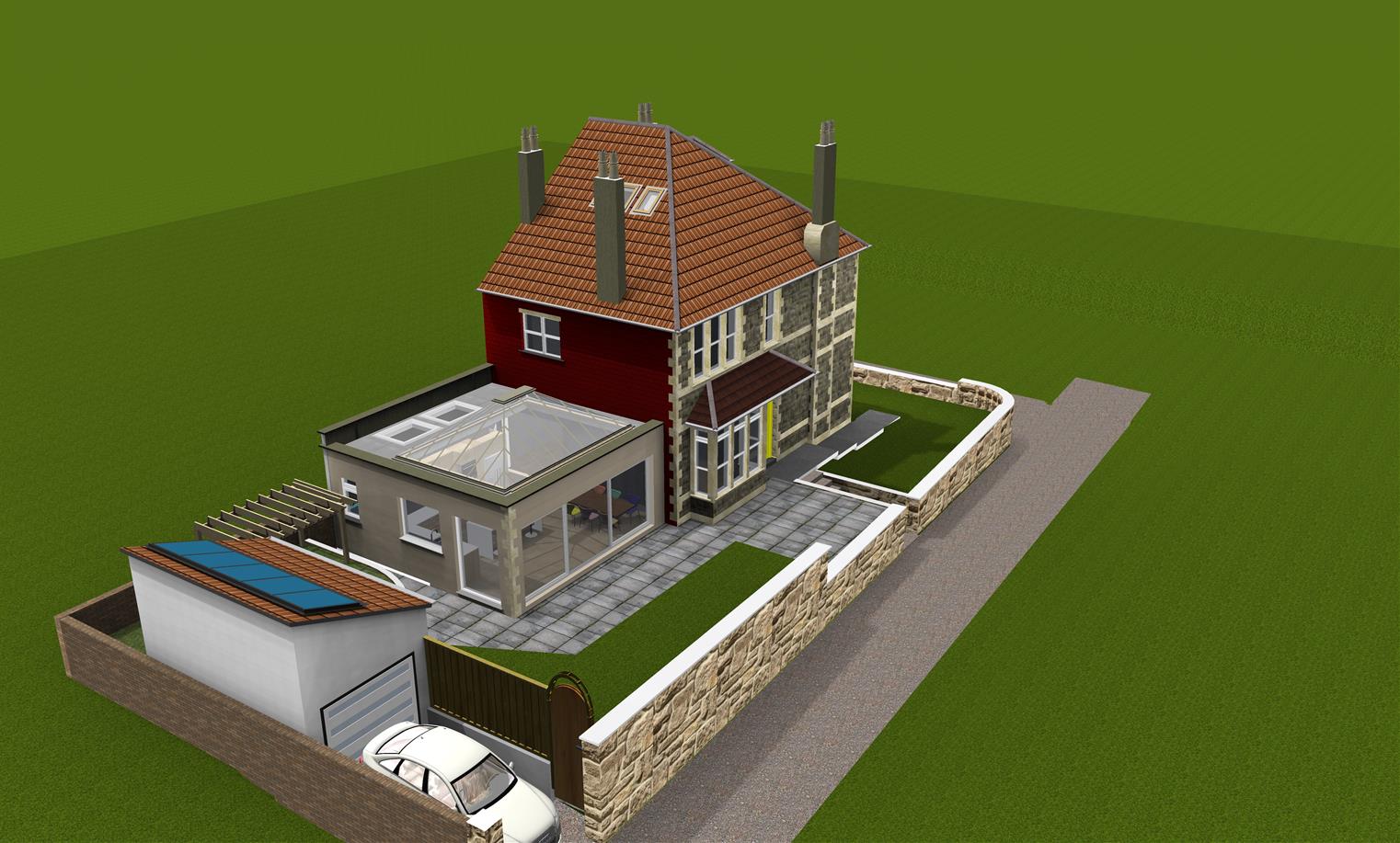
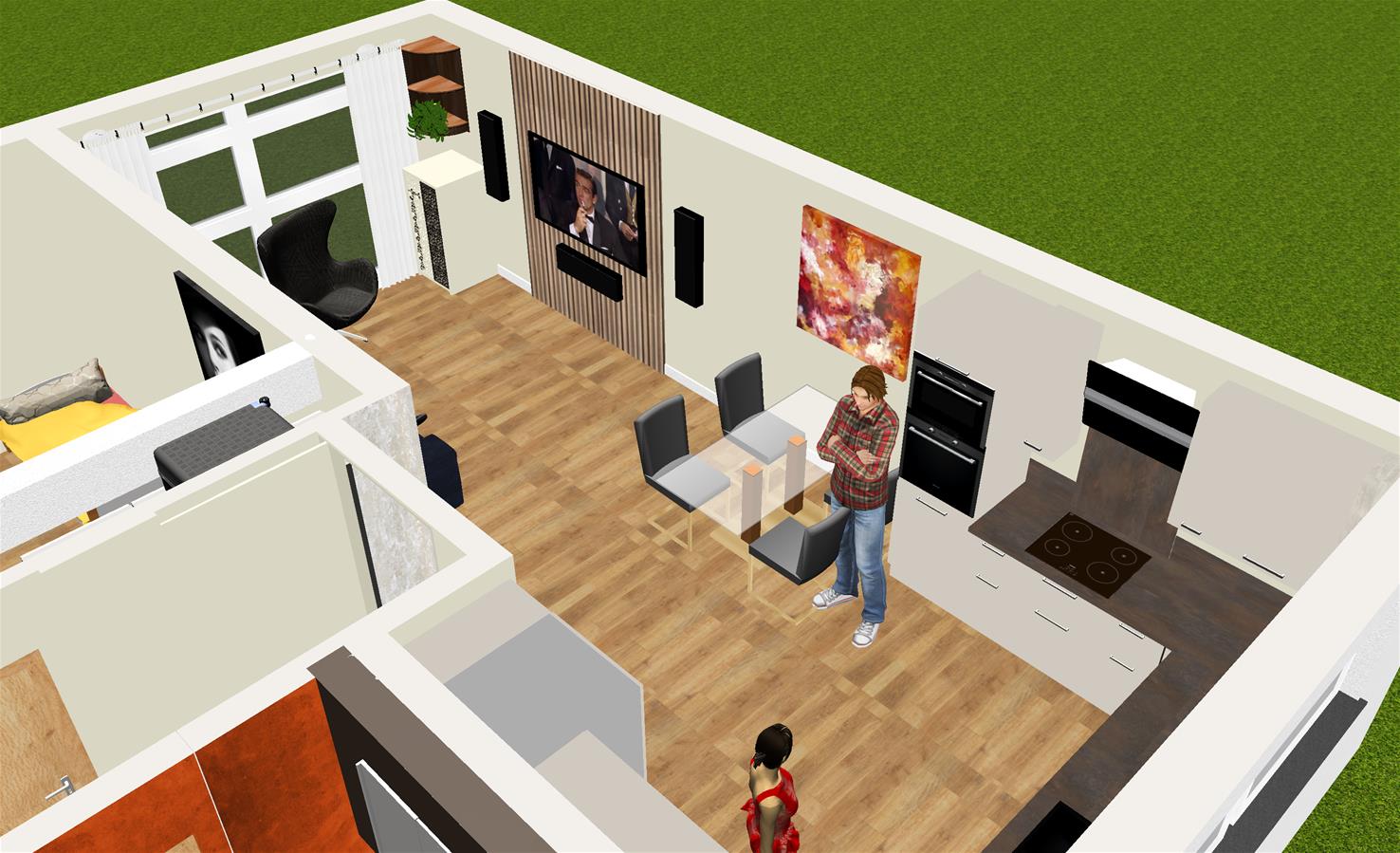
With the rise of AI and social media making renovation inspiration easier to find, it might seem like interior design is not as important as it used to be, but the reality is quite different. Today’s homes are more complex than ever, with technology integration, sustainability requirements, and flexible living that demands a sophisticated solution.
At Style Within, we bring together technical knowledge, creative vision, and project management skills to ensure your investment delivers lasting value. We navigate your Pinterest board, your questions to ChatGPT and offer a practical design, creating beautiful spaces that function perfectly with your lifestyle.
With an interior designer, you’re not just getting colour advice. You’re accessing years of problem-solving experience, product knowledge, and design expertise, transforming ordinary properties into stylish homes.
Frequently Asked Questions
Can AI tools help with my renovation planning at all? Yes; AI tools can be useful for gathering initial inspiration and exploring style preferences. They can also generate a look and feel based on your narrative prompt. However, they should complement rather than replace professional design advice, particularly for structural changes or complex projects.
How do I know if my renovation needs professional design input? Any project involving structural change, electrical or plumbing work, or budgets over £10,000 would benefit from formal design guidance. If you’re unsure about building regulations or project coordination, professional input becomes essential. If you have a simple makeover project, you could use AI to produce some basic images – but be prepared for hours of frustrating to and fro as you try to explain your vision to the AI tool. In contrast, a human interior designer will understand your needs quickly.
What’s the typical cost of hiring an interior designer compared to using AI tools? Whilst AI tools are free in some cases, and certainly appear cheaper initially, the cost of correcting poor decisions often exceeds professional design fees. Most interior designers offer free initial consultations to discuss your specific project and budget requirements. To learn more, we have a page on interior design fees.
Can AI speed up my interior renovation timeline? No; AI cannot manage your project for you nor keep it to time. On the other hand, a professional will produce design solutions quickly, then manage orders, suppliers and trades, overcoming problems and working efficiently through the project. Without proper planning and management, your project will face delays.
Can AI understand my personal interior design style? With a lot of effort on your part, editing your narrative, and becoming frustrated with the response, you may find that AI eventually understands your interiors preferences. Conversely, experienced designers will understand your needs instinctively after one face to face visit; they’ll explore your lifestyle, aesthetic, and functional requirements to create designs that truly reflect your expectation. Designers then translate your preferences into practical solutions.

About the author
At Style Within, we have been creating beautiful, functional homes since 2004. With extensive experience in renovations ranging from period property restoration to contemporary extensions, we understand the evolving relationship between technology and traditional design expertise. Our approach combines cutting-edge tools with time-tested design principles to deliver renovations that enhance both lifestyle and property value.
Ready to discuss how these insights apply to your renovation plans? Get in touch to discuss your specific challenges, budget considerations, and design goals and we’ll help you find the best approach for your dream project.
