We’ve been designing and installing kitchens in Bath and Bristol since 2004. This guidance page on kitchen appliances is one in a series covering kitchen design topics.

Kitchen appliances
There are two main choices when it comes to kitchen appliances – free-standing or integrated. Some kitchens have a mix of both.
An integrated appliance should fit into a standard kitchen unit. It is always wise to check with your chosen cabinet supplier, left to right, top to bottom, and front to back. We have come across built-in microwaves and integrated extractors that only fit certain cabinets, but most will be fine.
As the description suggests, freestanding kitchen appliances remain free to move. Yet they complement fitted units perfectly, when the kitchen is designed sensitively.
Fridge-freezers
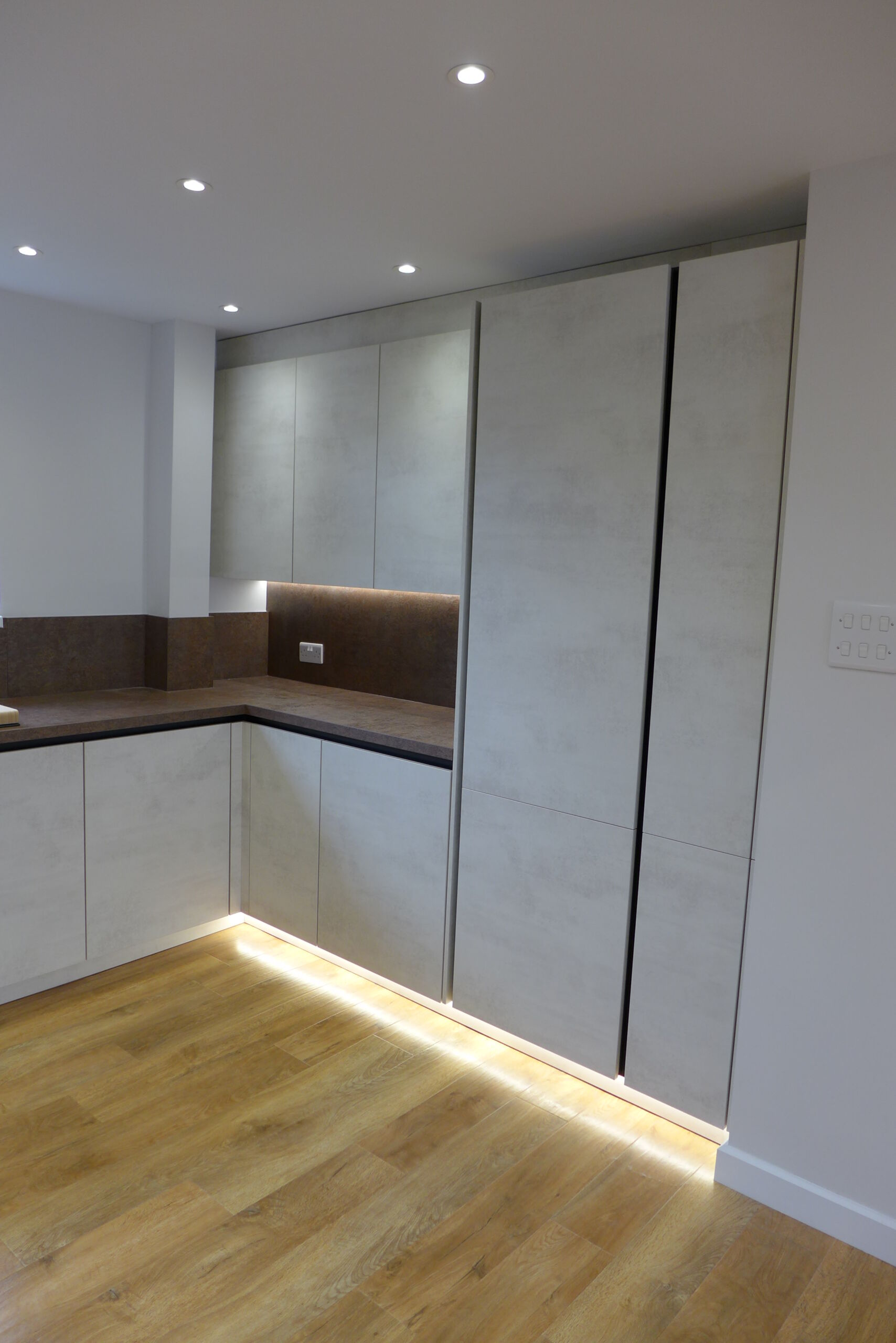
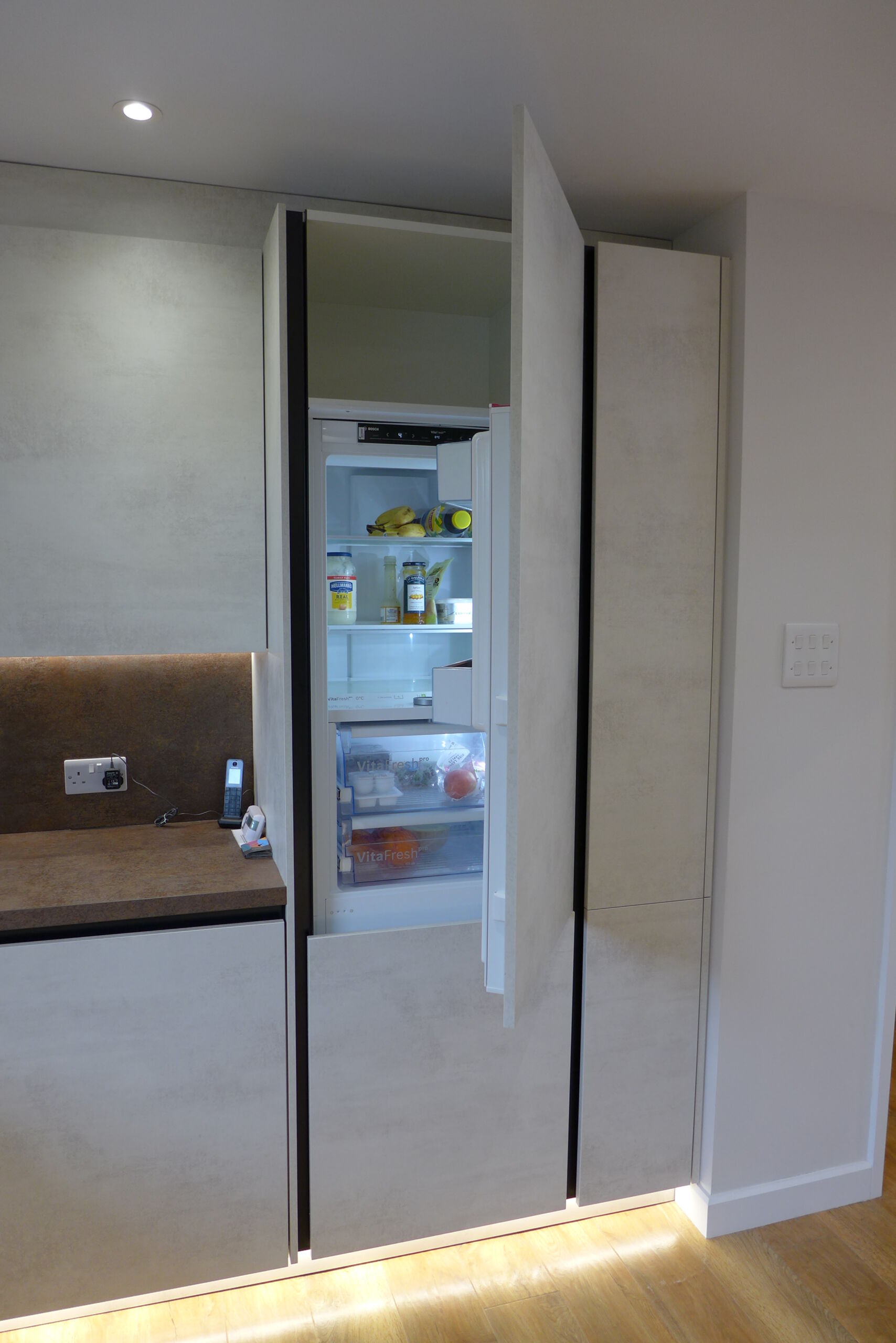
Check your requirements for the fridge to freezer split; some are 50:50, some 60:40 and some 70:30. If choosing an integrated model, you will need cabinet doors to suit, so check with the supplier.
If you fancy a fridge-freezer with an ice-maker or chilled water dispenser, check whether this requires a separate water supply. Also remember that these chillers take up valuable storage space.
Range cookers

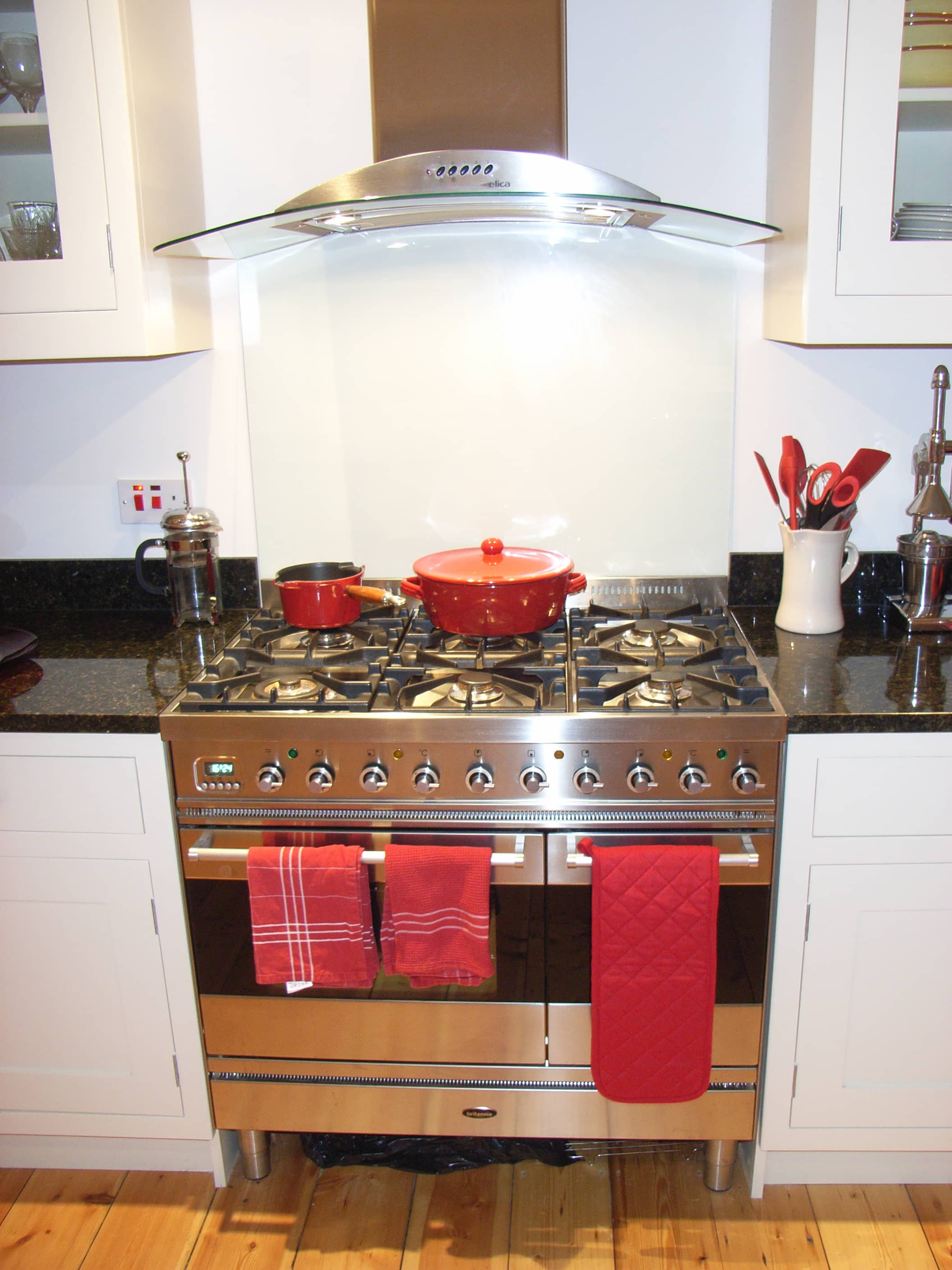
Contemporary range cookers offer a choice of electric, gas or dual fuel. Consider the number of rings you require and their sizes. Some even offer a wok ring. You also need to decide whether the number and size of ovens is adequate for your needs.
Ovens and combi microwave ovens
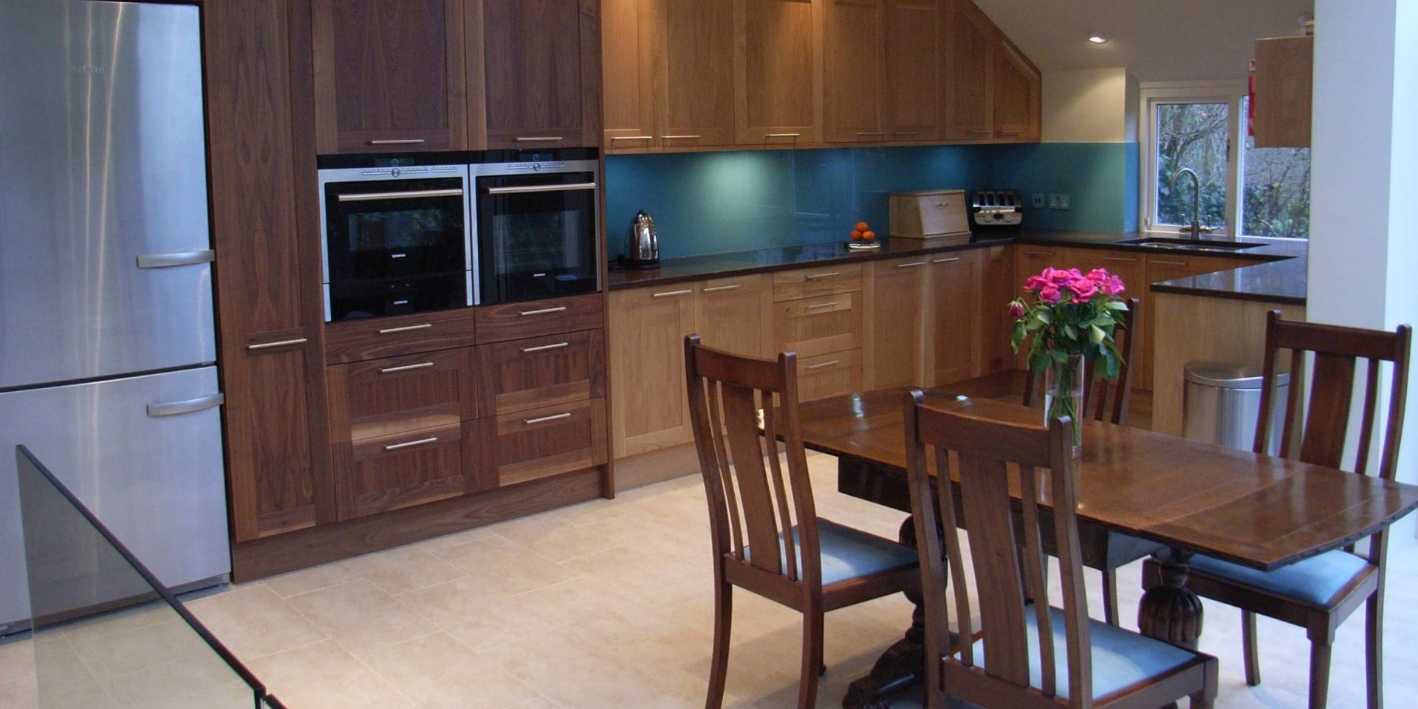
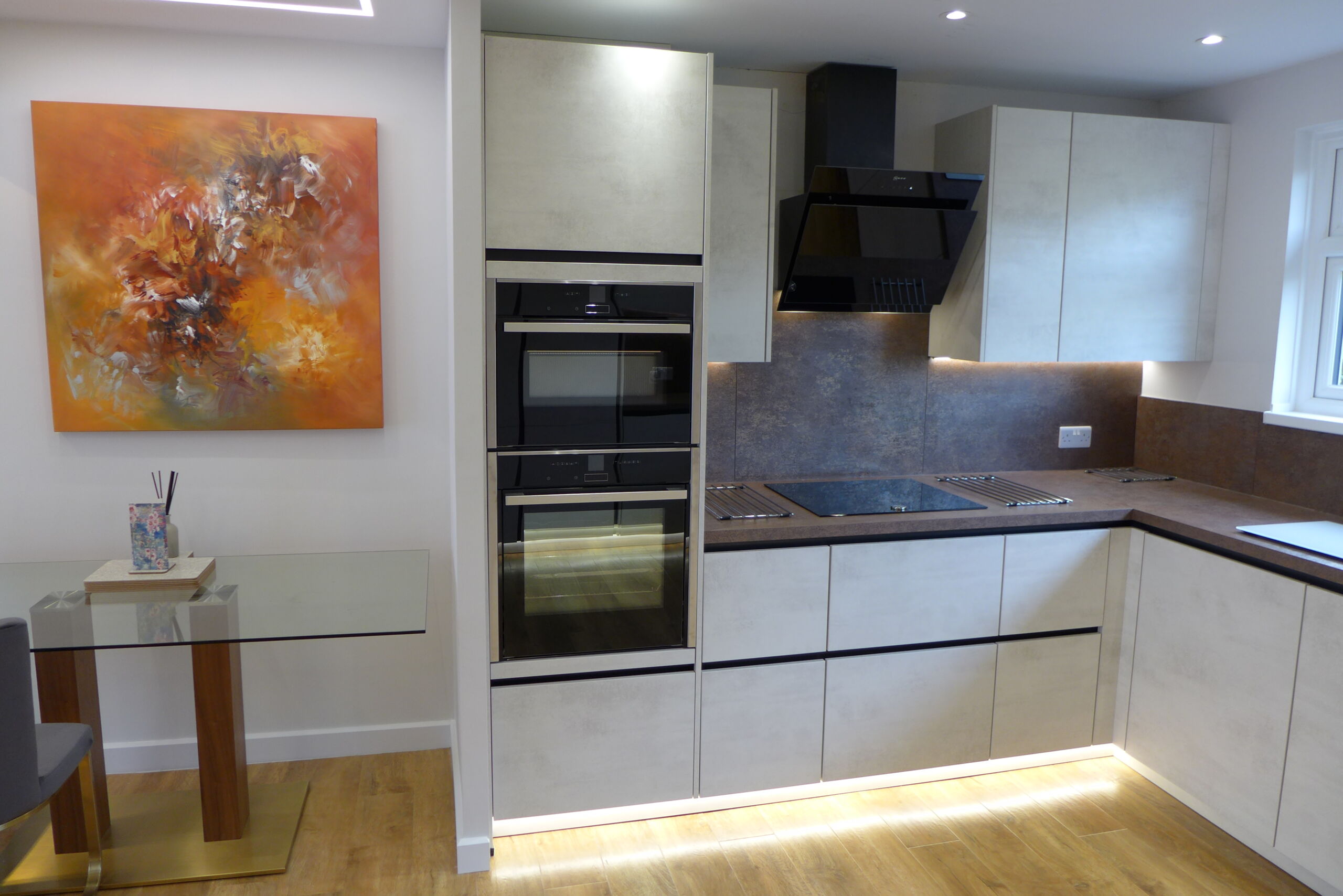
If you are looking for 2 ovens, consider a combination microwave oven alongside a main oven – you can then dispense with a separate microwave, freeing up valuable work surface. Most of the time it works as a microwave, but provides that extra oven for when the whole family comes to visit.
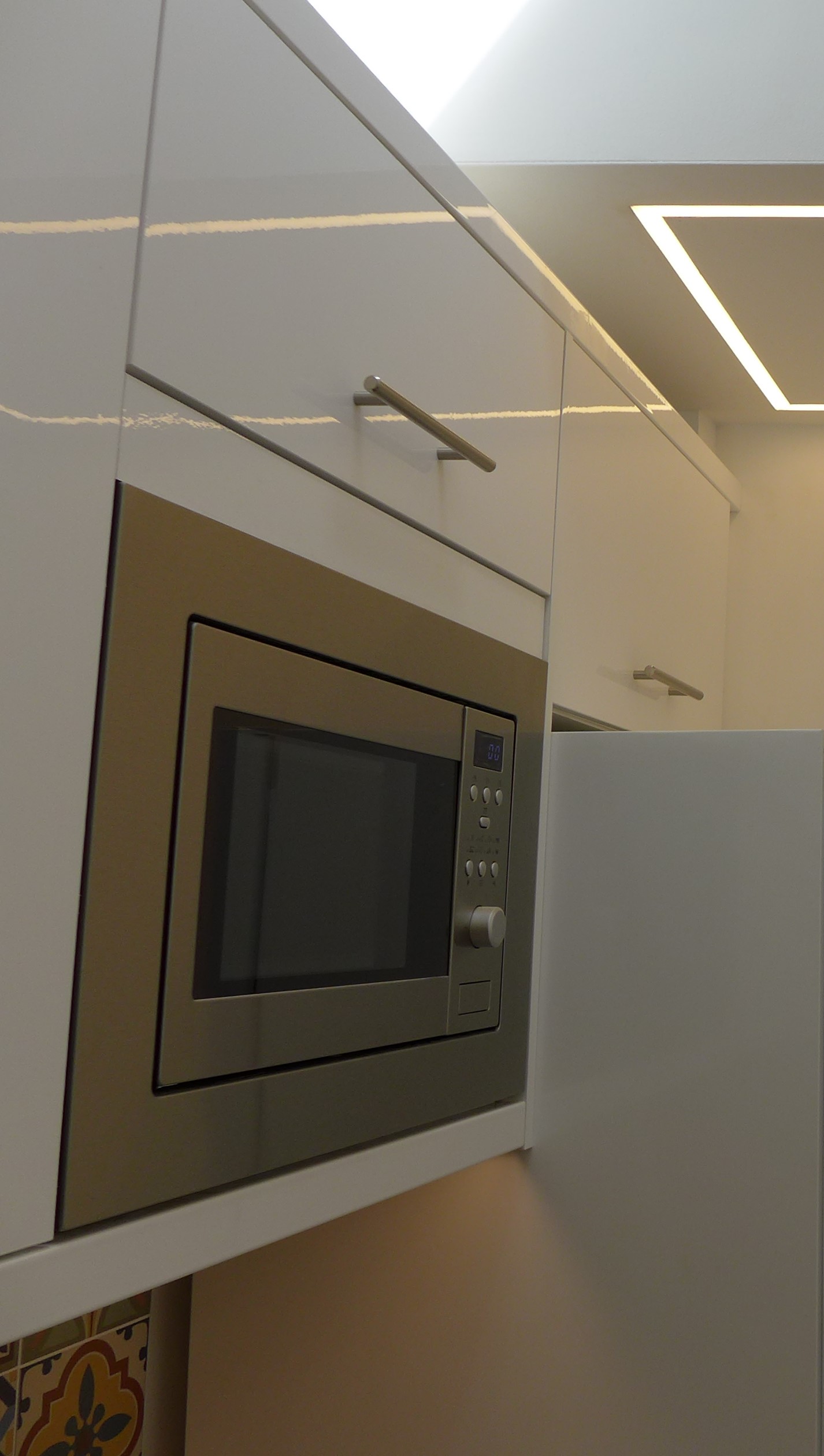
Microwaves
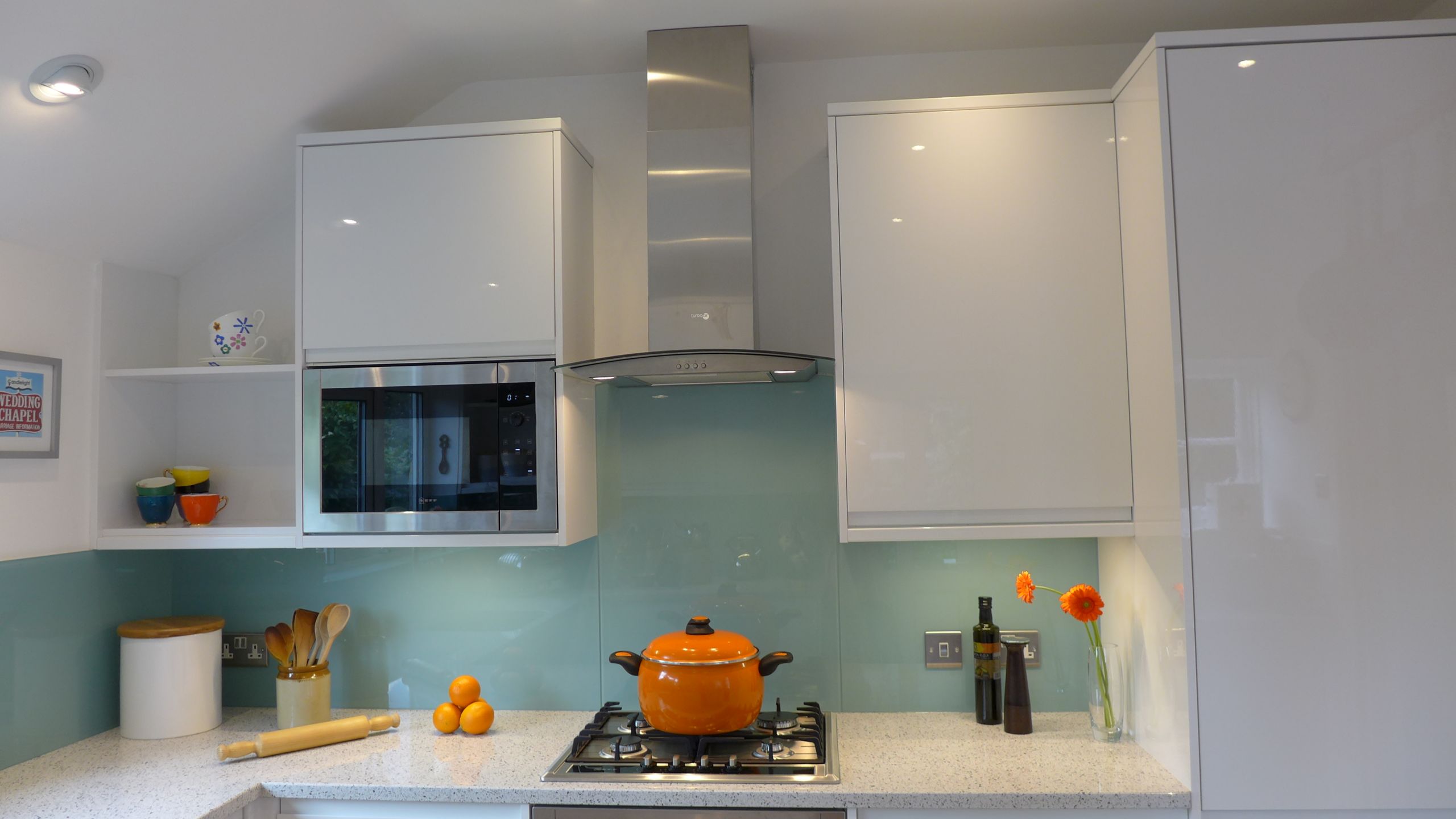
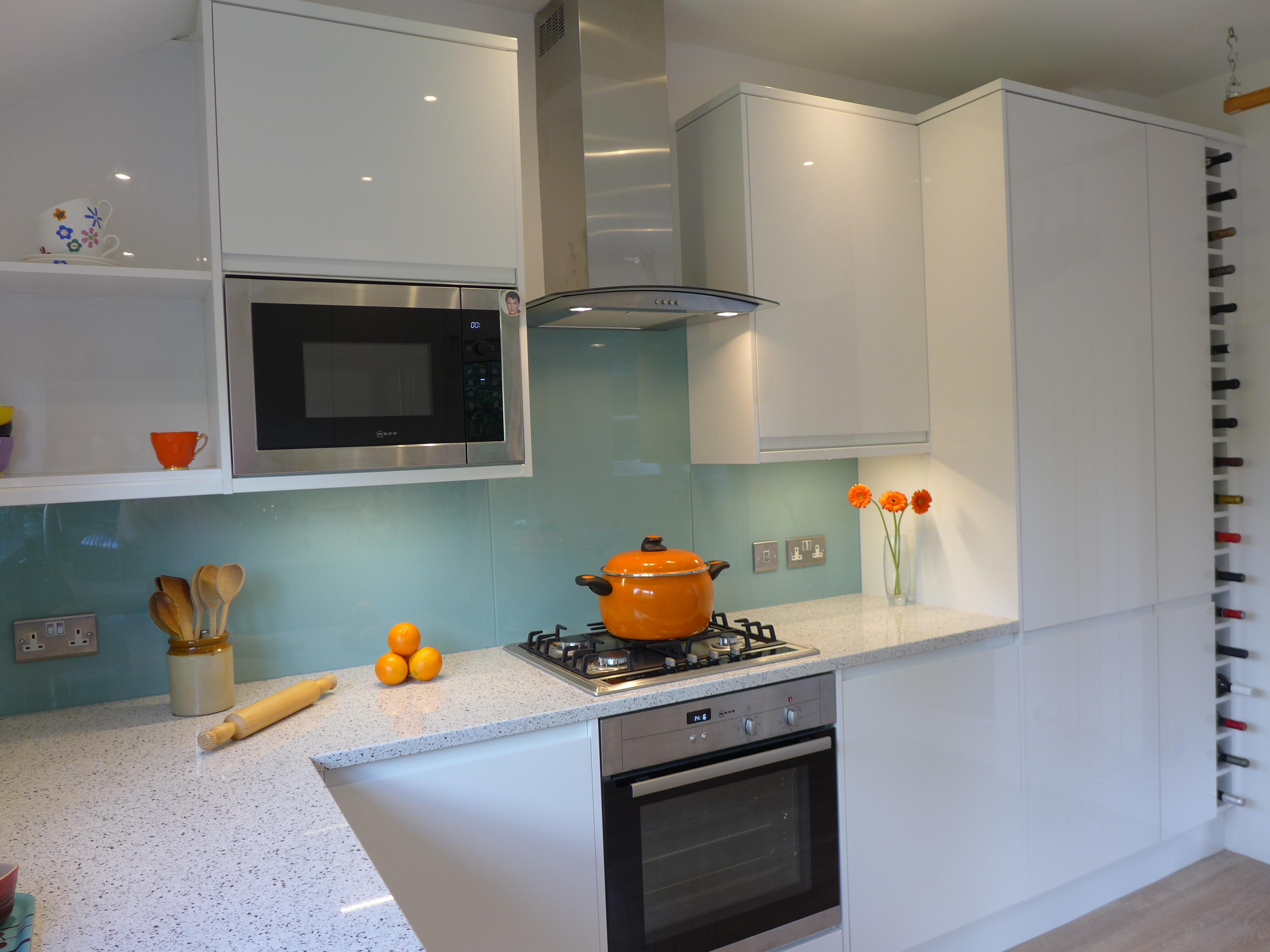
If you do want a basic microwave, consider integrating it into a wall or base unit for extra worktop. Remember that a wall unit is only 300-350mm deep, so an integrated microwave will be smaller than most freestanding models.

Pyrolytic ovens have a self-cleaning cycle which really works; it locks the oven, super-heats the grime and turns it to ash. When the cycle ends, you simply sweep it out. These ovens are a little more expensive but if the budget can stretch, this is a feature worth having.

An under counter oven generally has a hob fitted in the worktop above it, whereas if you choose an integrated oven you will need to fit the hob separately. Whatever combination, the hob and oven should be close to each other.
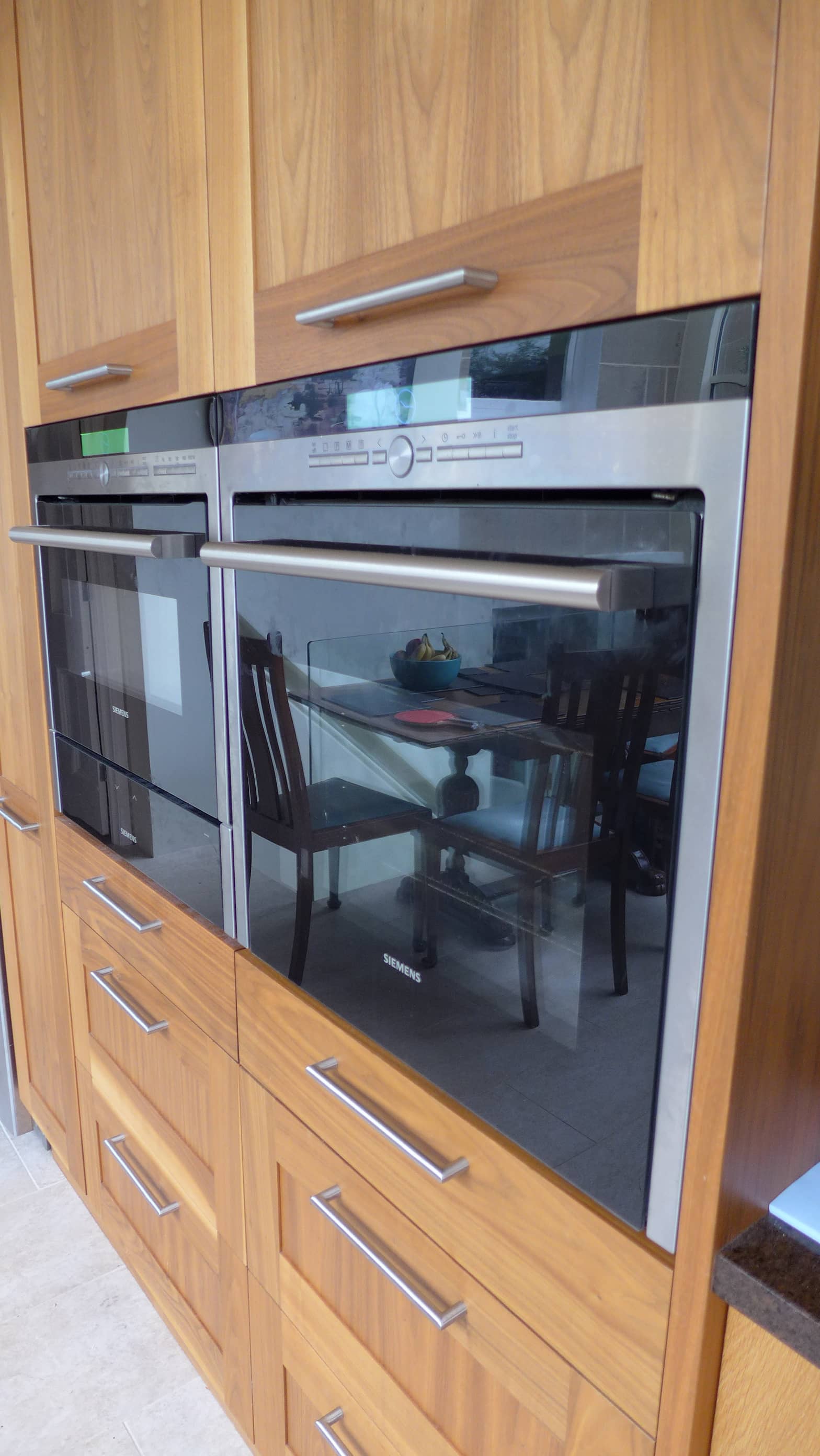
Warming drawers
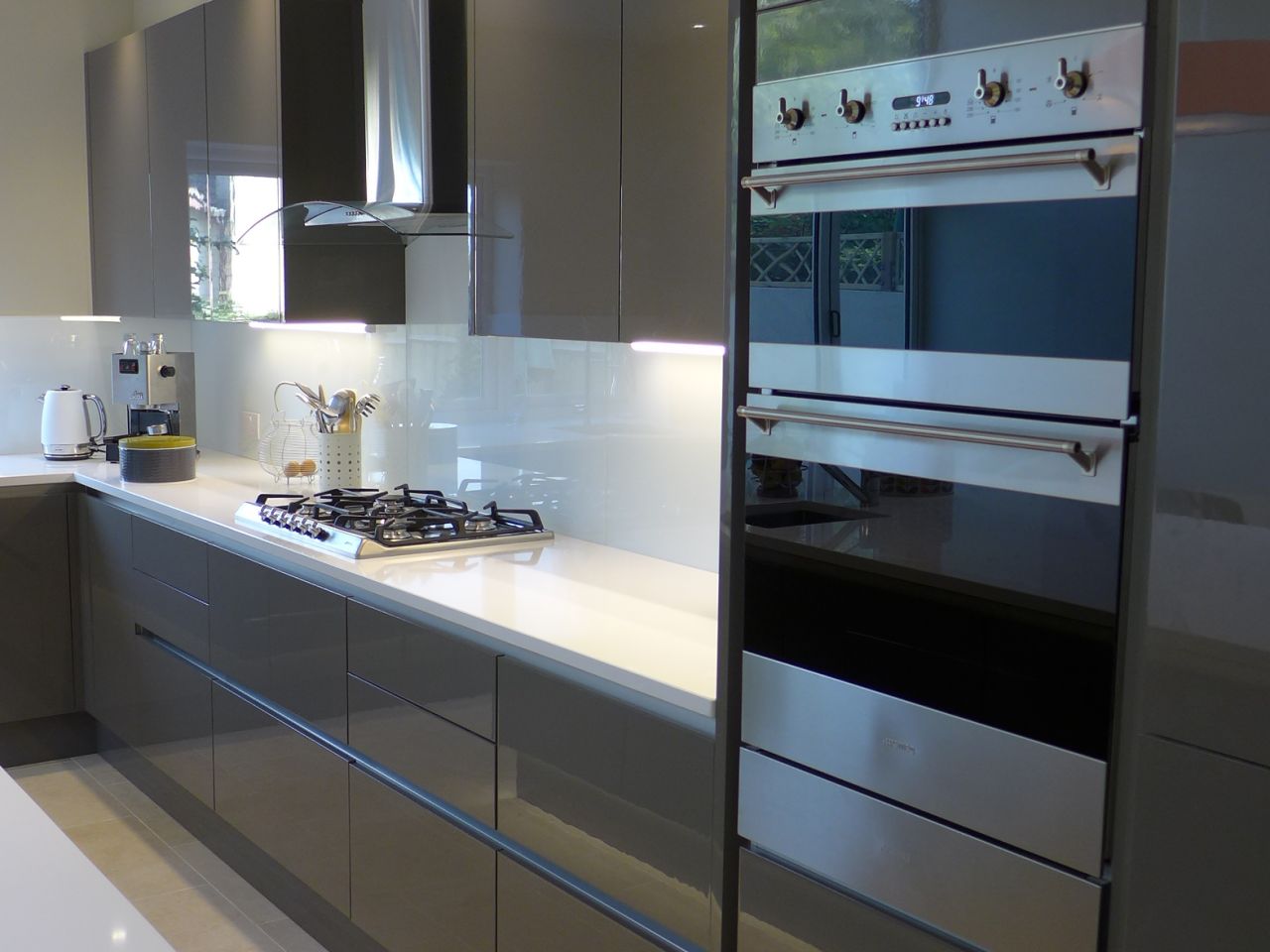
Warming drawers are great when you remember to use them! You need to check the drawer height if you want to align with the main oven and microwave-oven side by side – some ranges don’t line up!
Kitchen hobs
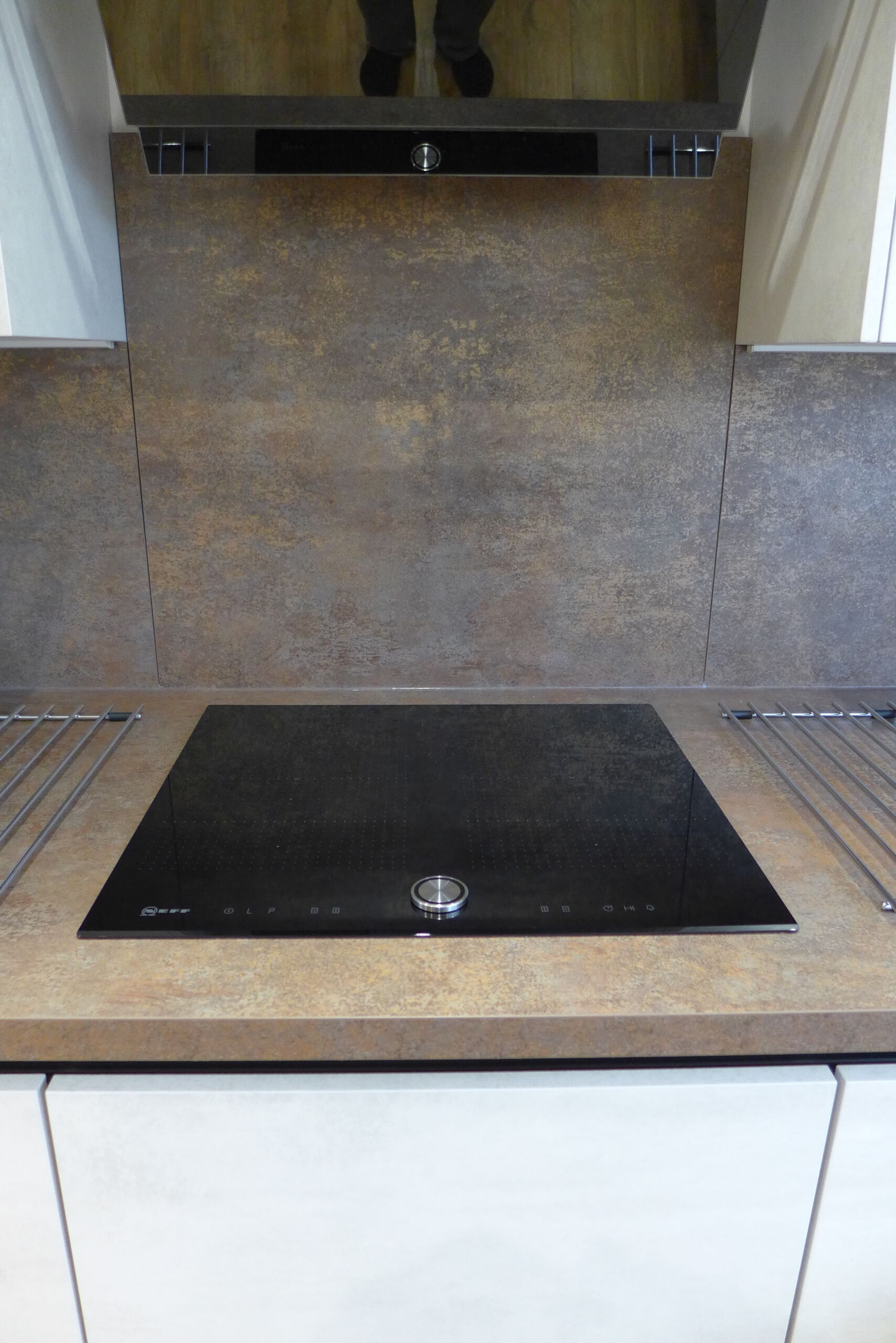
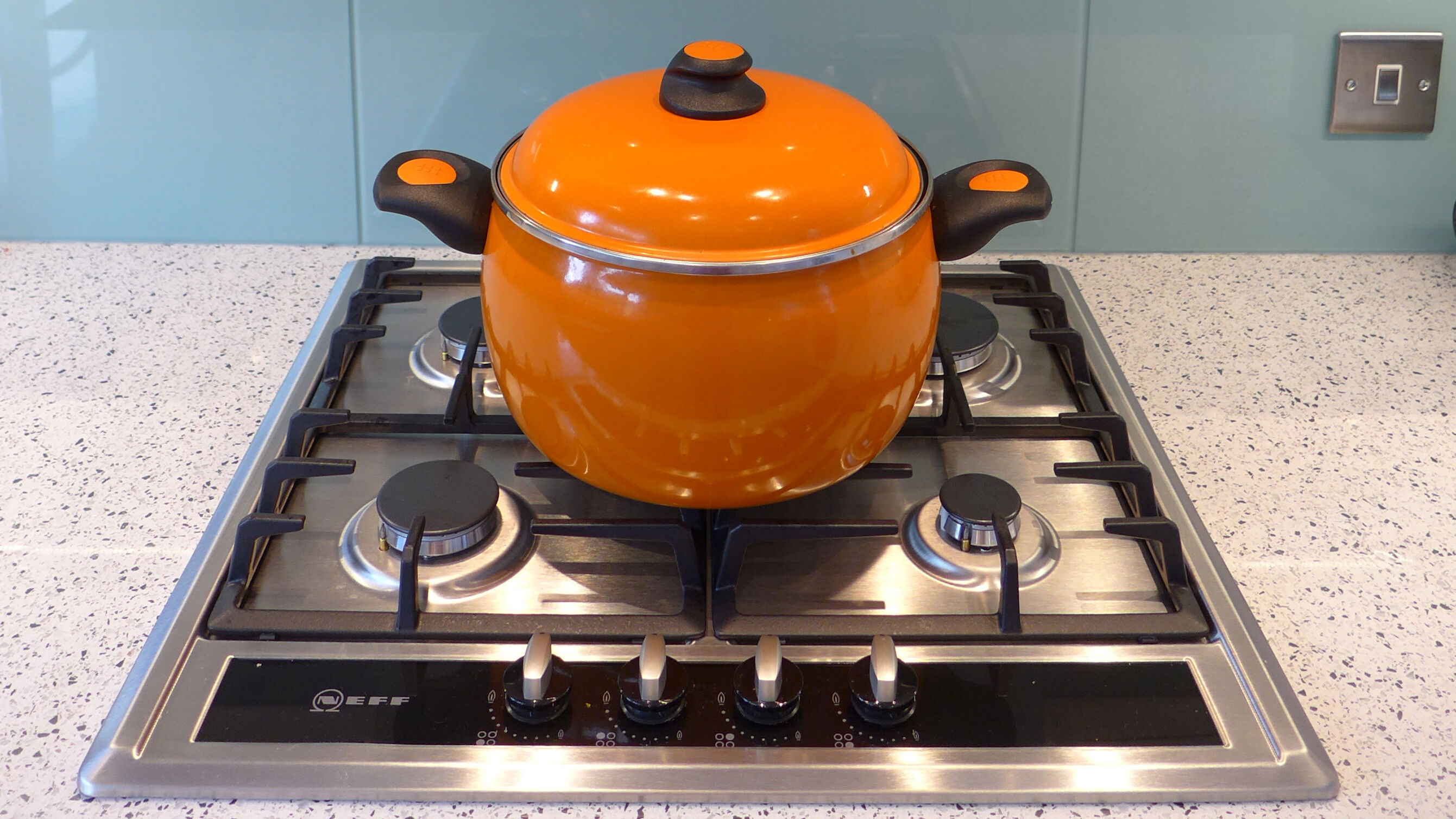

Whilst top chefs may cook with gas, we are big fans of induction hobs; they are responsive and very easy to clean, providing extra worktop if you choose a flush-mounted installation. Check that your pans are suitable for use with induction; new pans should come with the relevant symbol. If you have a pace-maker fitted, check with your consultant about using an induction hob. We’ve not yet found consistent advice, but one of our clients recently asked us to replace her induction hob with a ceramic hob.
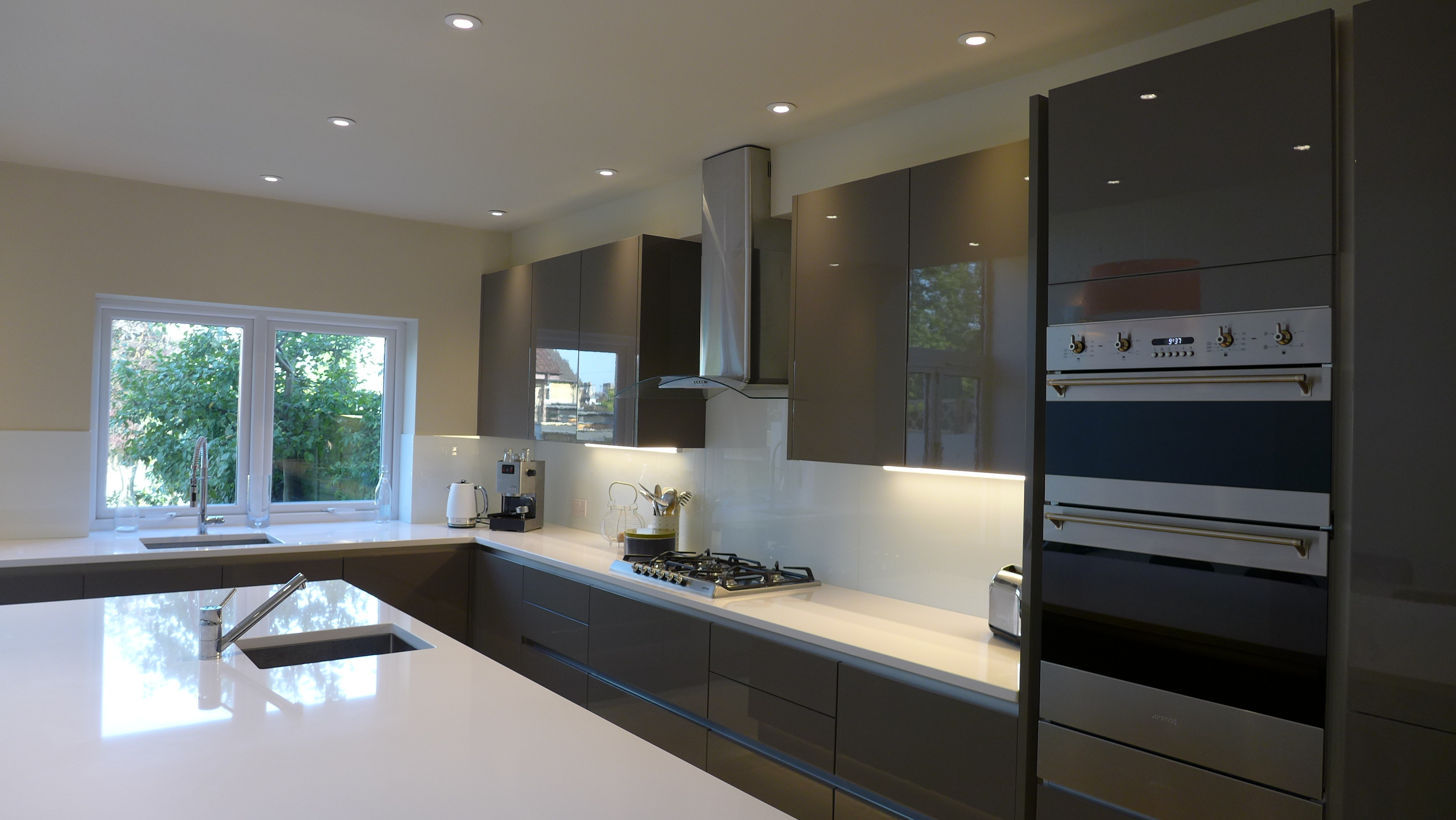
Electric hobs remain popular, whether hot plates, rings or ceramic. However, our regular supplier is stocking increasingly fewer as induction takes over the electric market. Indeed, when we replaced the induction hob mentioned above (which focuses its energy into the base of the pan), the heat from the ceramic hob in the same kitchen itself was pretty oppressive. If you like electric, induction is the way to go.
Many clients love cooking with gas, so you’ll need to remember to run in the gas supply when planning the kitchen. You can fit a suitable glass splashback behind a gas hob. If you choose a perspex splashback, they will supply a transparent heat resistant glass panel to protect it around the hob.
Dishwashers
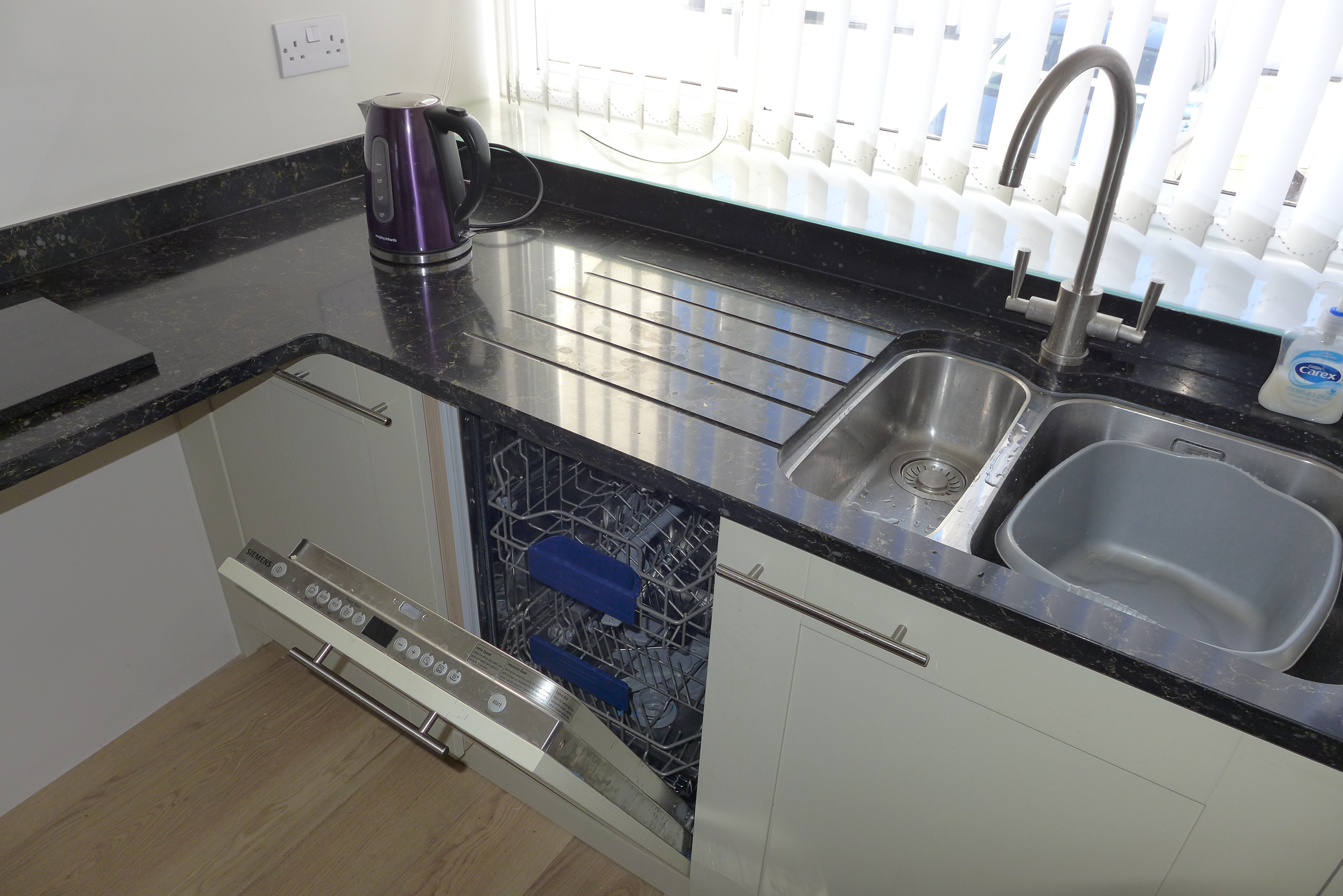
Most clients want a dishwasher; in a small space, consider a 450mm wide model. Check that your largest dinner plates will actually fit; some models can be reconfigured internally but others are more restrictive. As with many appliances these days, check the advertised noise levels – in an open-plan kitchen diner this may be important.
Cooker hoods and extractors
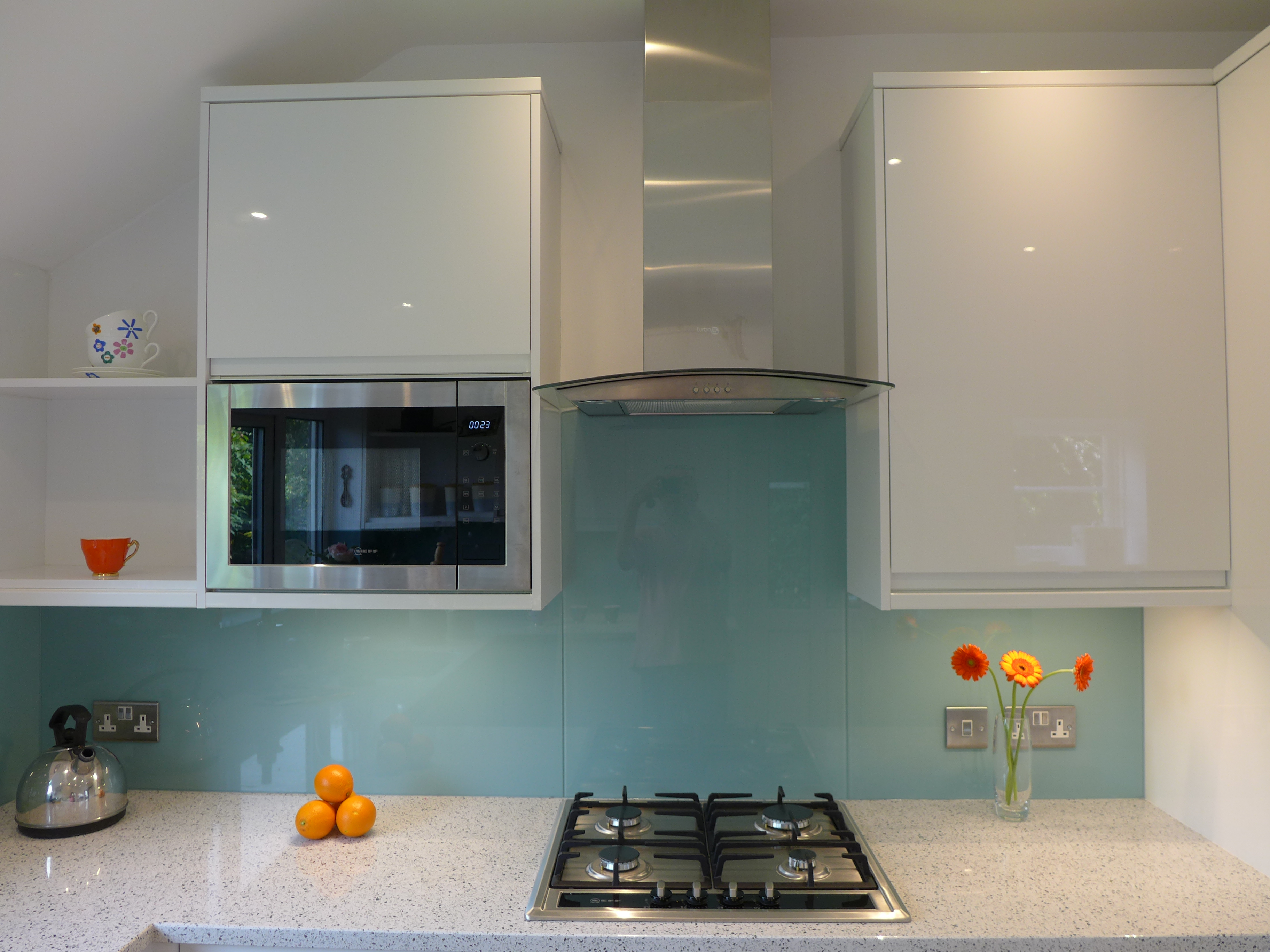
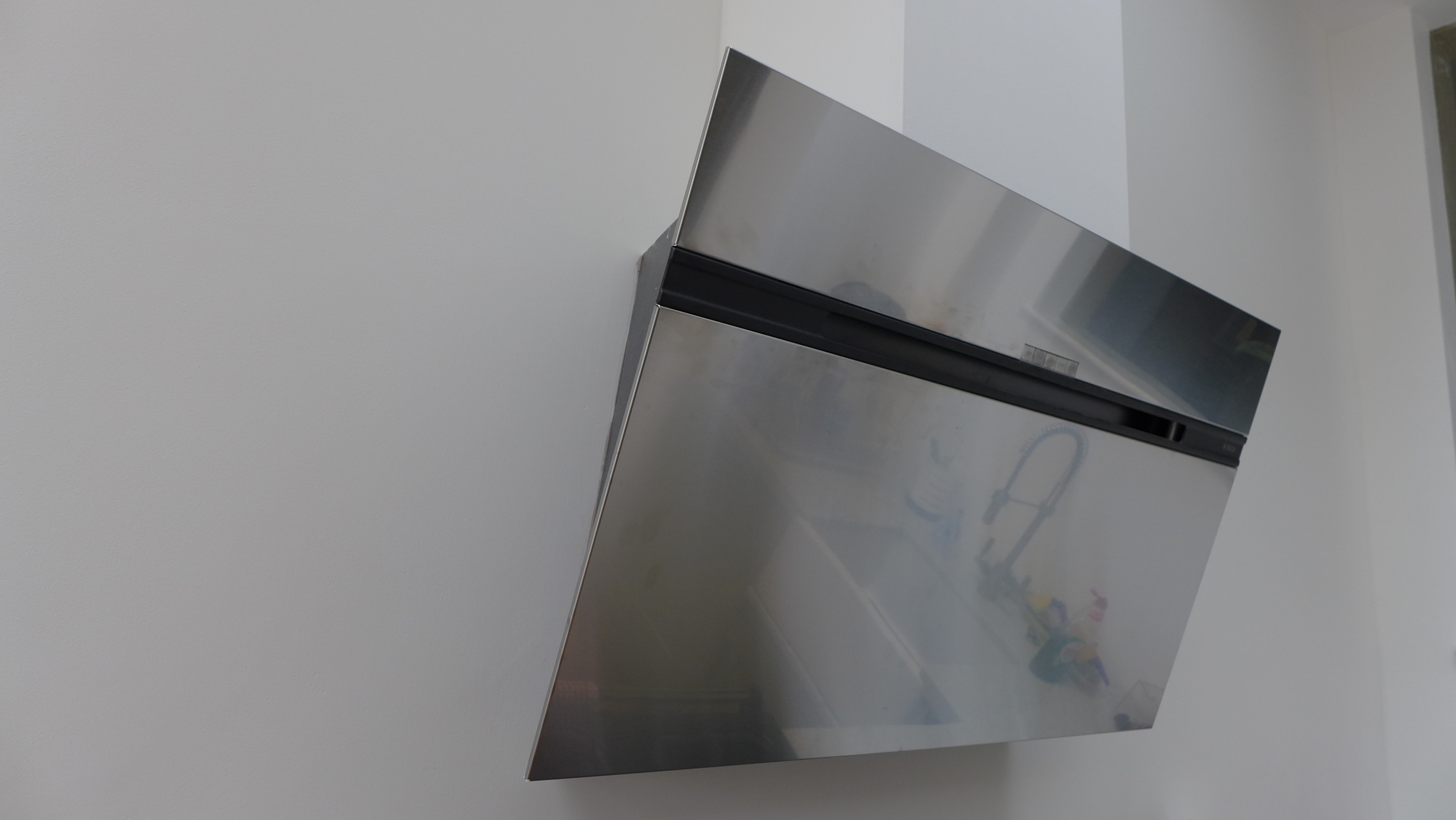
There any several cooker hood and extractor designs to choose from. Some are integrated in a wall unit; others form a feature of their own like a glass canopy, square canopy, chandelier, pop-up, slanting, external… endless. Make sure you choose one appropriate to the width of the hob, and the manufacturer’s instructions will define the minimum height for fitting above gas or electric.
When planning to extract to the outside, remember to include a route for the duct, whether to a lead slate roof tile, or to a grille on an external wall. You may need to use the floor void between the joists above. Minimise the number of bends for smoother airflow – avoid 90 degree elbows, using 45 degree sections instead.
If extraction to the outside is not possible, a recirculating model is next best drawing steam and greasy air through filters in the hood. These need to be maintained regularly.
In the image above, we integrated the extractor into an existing chimney flue.

Exterior kitchen extractor
Extractor fans can be very noisy, particularly in an open-plan space. More expensive models tend to be quieter, so check the specification and ask your supplier to turn it on in the showroom. Better still is to mount the noisy part outside; below, we installed the fan unit externally to minimise internal noise levels. If you are fitting the fan outside, position it carefully to avoid upsetting the neighbours.
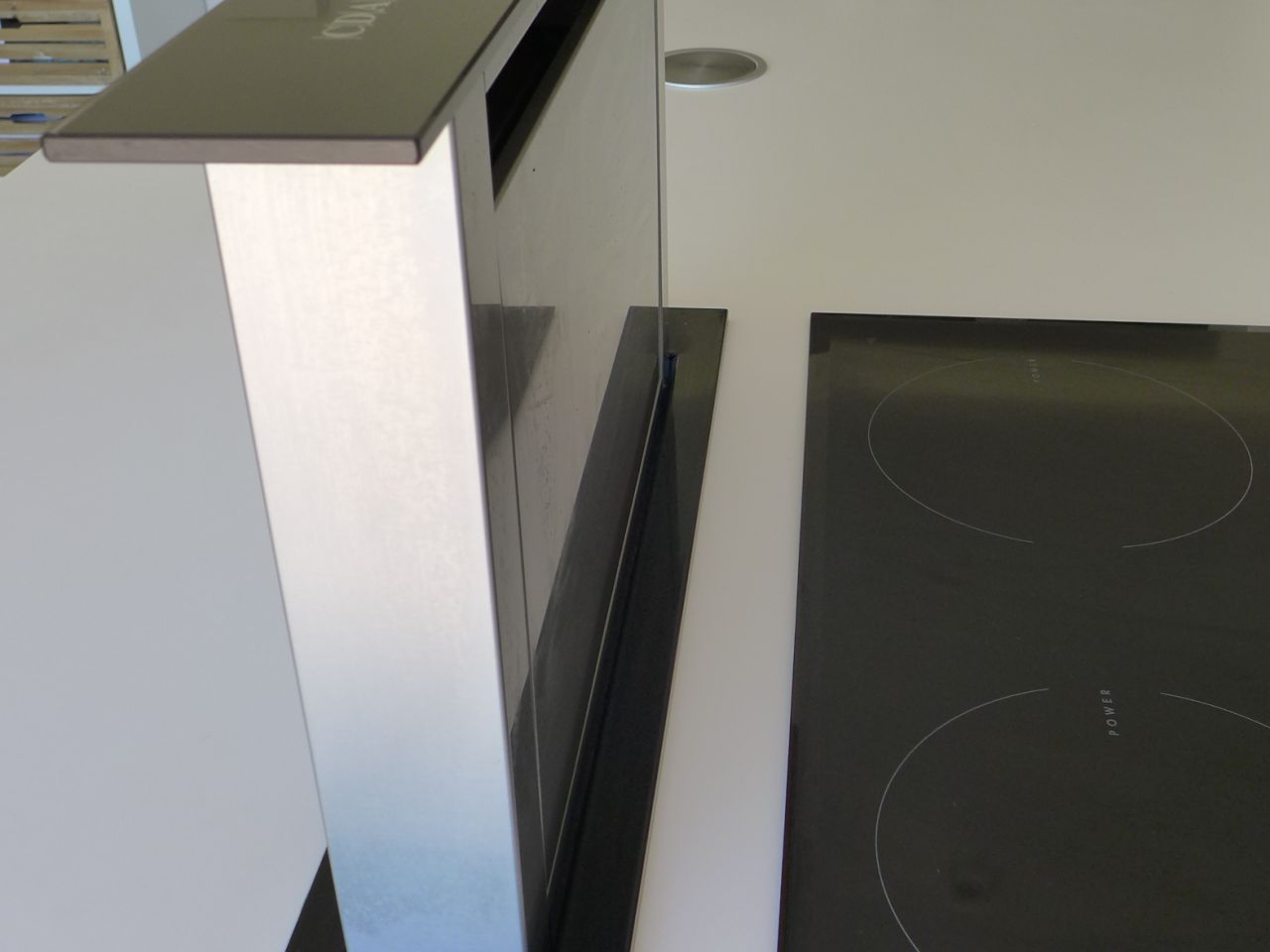
Pop-up kitchen extractor
For this project, the house had a large void beneath the house to route the ducting, so a pop-up extractor was possible
Washing machines
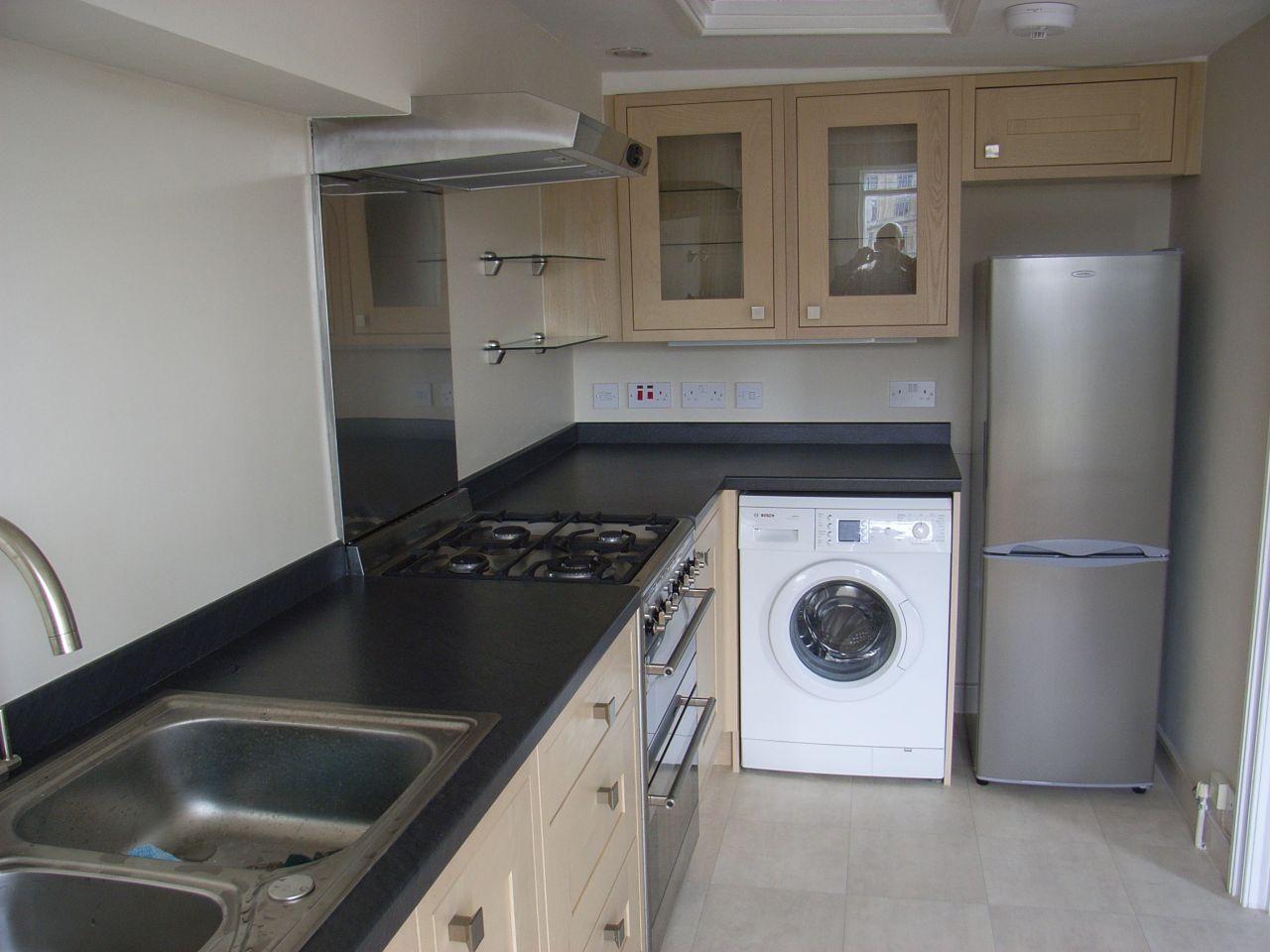
Several clients include a washing machine in their list of kitchen appliances, but we try to site these out of the kitchen where possible. However, sometimes there is no choice. In the image below, we fitted an integrated machine – you can’t see it, but it’s behind the door facing you below the kettle. Our clients were a little unsure but got used to it immediately. Just make sure you hang the cabinet door for easy access.
Kitchen design
In this advice page we’ve summarised a selection of kitchen appliances to choose from. Hopefully it’s given you some ideas to discuss with your designer and suppliers.
Successful kitchen renovation is founded on a good kitchen design and choice of kitchen appliances. Style Within has been designing and installing kitchens in Bath and Bristol for many years and we’ve seen the challenges.
If you think we may be able to help with your kitchen refurbishment in Bath or Bristol, please read more about our kitchen design service.
We also offer a page on further ideas for a new kitchen.
