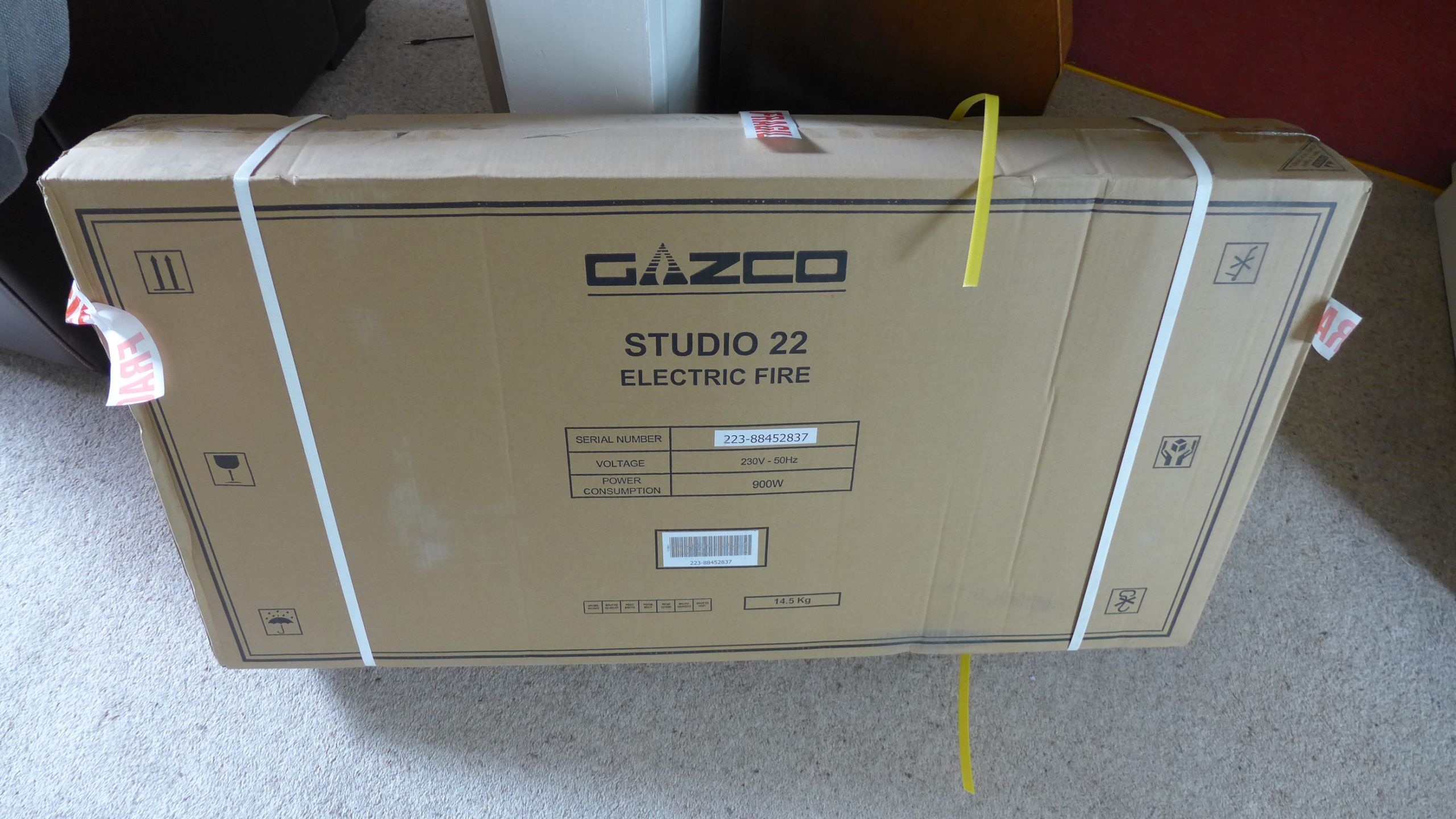
“Keep it boxed” is a mantra to live by, if you want to protect valuable fixtures and fittings on a building site.
Couriers and packaging
I dread opening a package, because of a sense that something will be wrong. When the courier arrives, I always sign for an item “not yet inspected”. A courier won’t wait while you spend half an hour carefully unpacking and checking for damage. So don’t simply sign for an item, otherwise you may have trouble claiming for a replacement.
My apprehension is born from experience of finding things damaged, missing, or just wrong. Our first bed, lovingly purchased by my mother-in-law, was all of these; the headboard was damaged, fixings were missing, and the side sections were from a different bed.
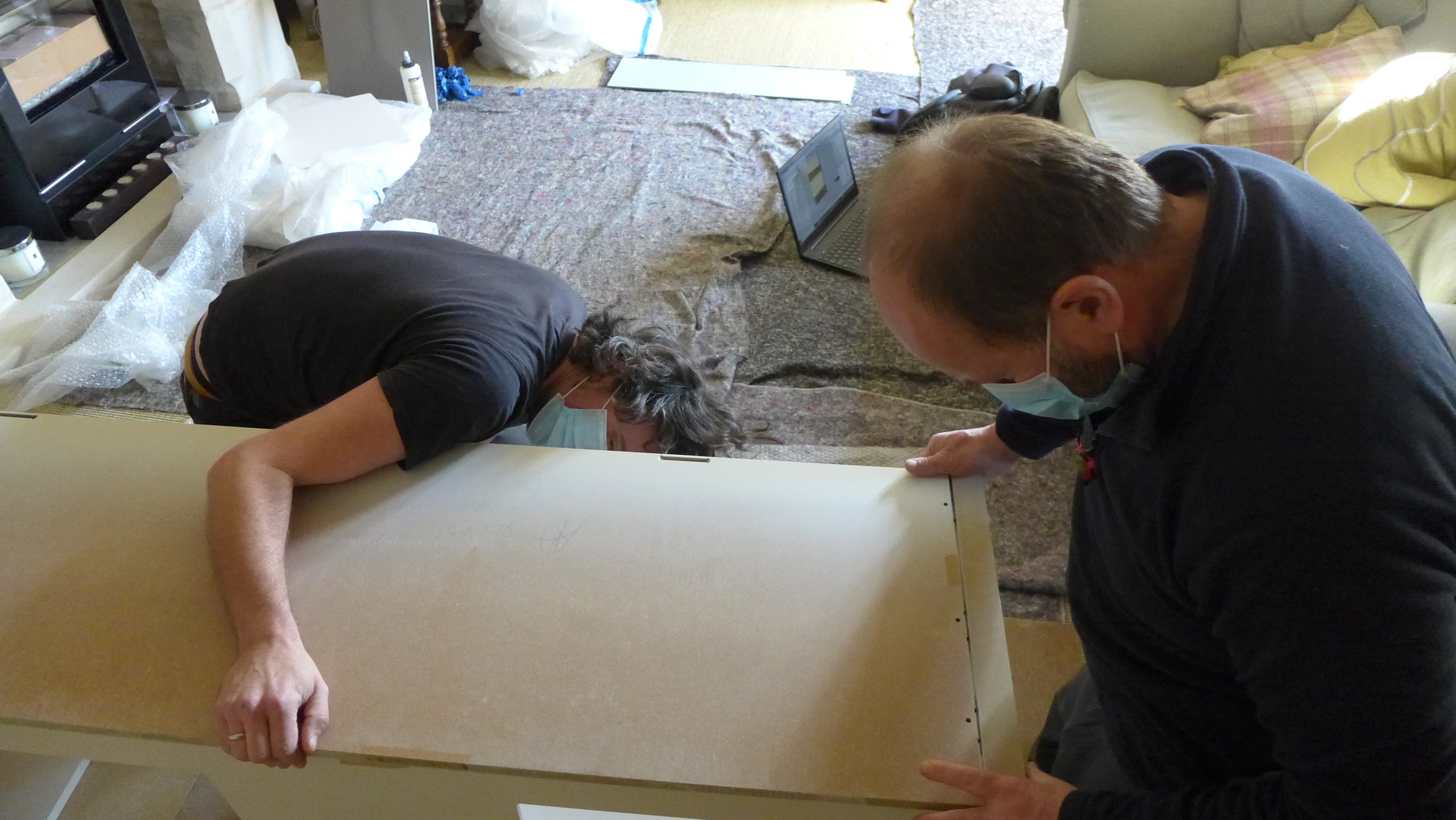
Top quality companies will use reputable couriers. Unlicensed, private couriers with a van and a mate from the pub might be cheaper but they can be trouble. You have very little control over this, but it would be worth asking your supplier who they use, and point out that you will be checking closely for damage. In my experience, it is worth spending a bit more to get a quality courier to give you peace of mind.
Package design
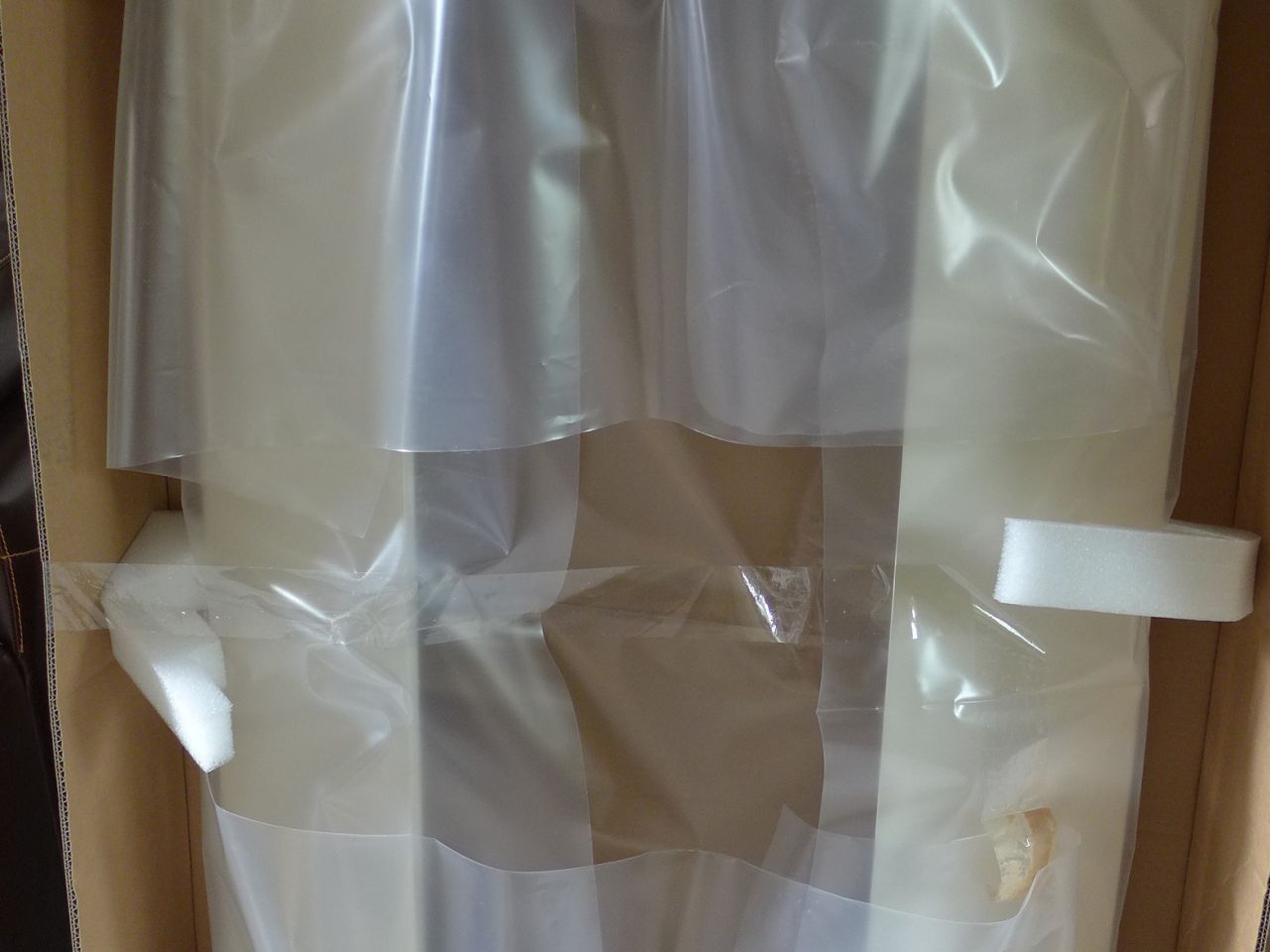
Perhaps the most frustrating of the delivery sins is damage. If a supplier has taken the trouble to produce a perfect item, why risk it being damaged on the way to the customer – what a waste. Package design requires proper attention, and should not be an afterthought.
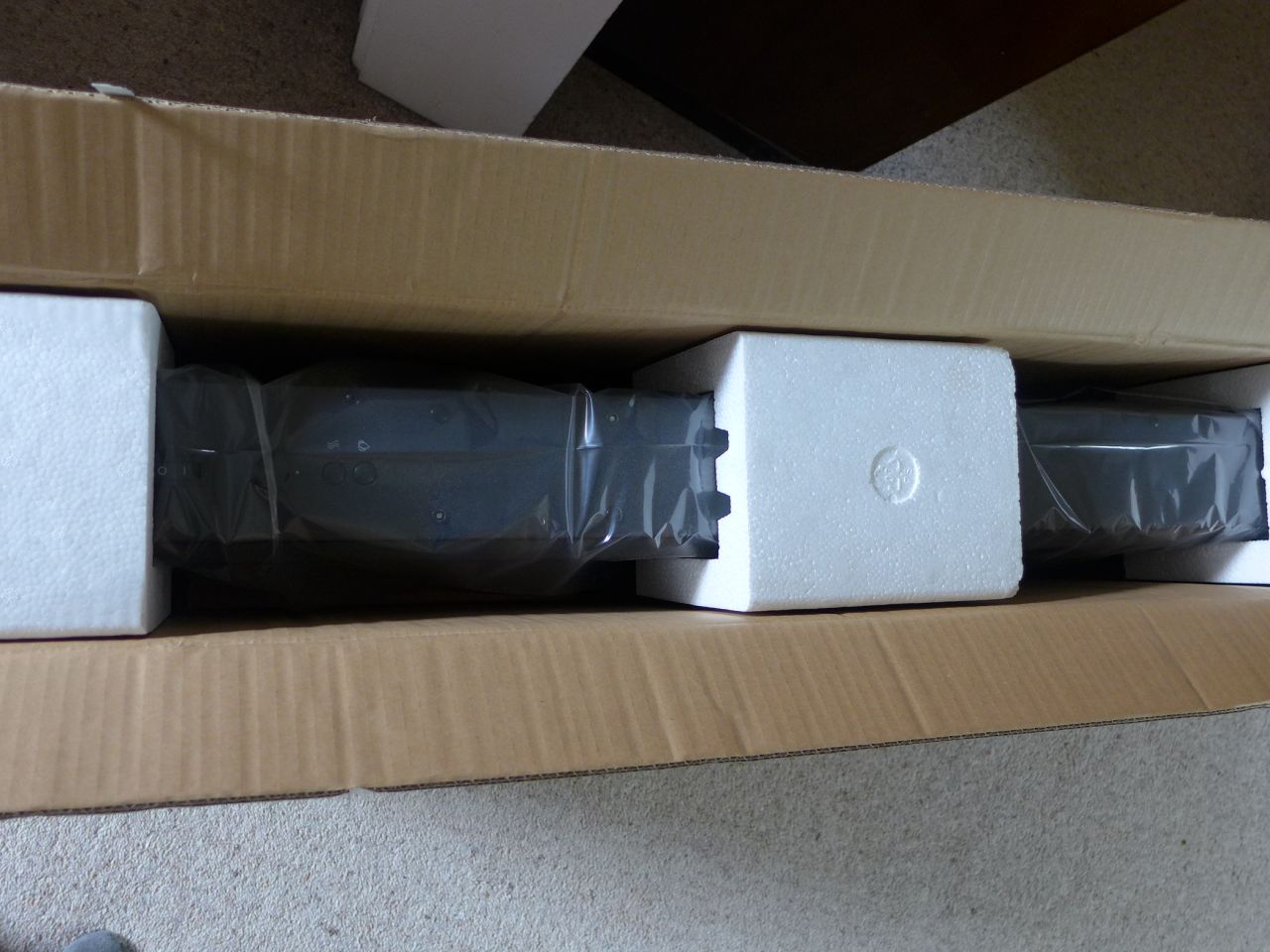
When an item arrives packaged as above, I have confidence that the item inside will be fine. Packaging is indicative of the quality of the supplier and of the product. This company has taken care to deliver a perfect electric fire. The polystyrene pieces are precisely designed to protect the ends and sides, and also to stop the item moving in transit. It also has desicant packets for longer term storage. My only criticism of this is that they’ve not used environmentally friendly products, but that is changing.
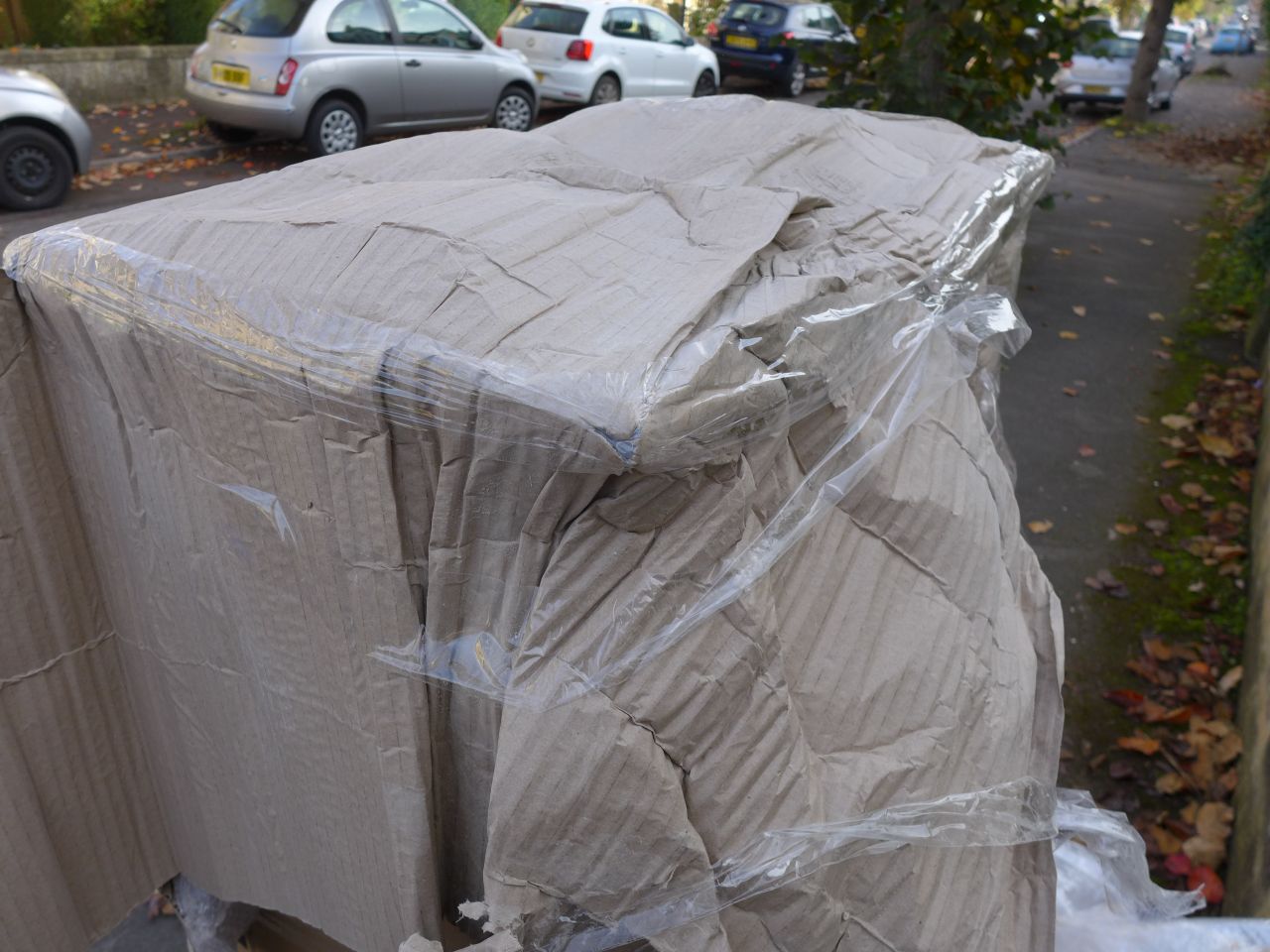
Compare this to the trepidation I faced when approaching this mess … Who on earth thought this was a good idea? Where is the protection for the most vulnerable parts – edges and corners. You can even see a corner poking out at the front.
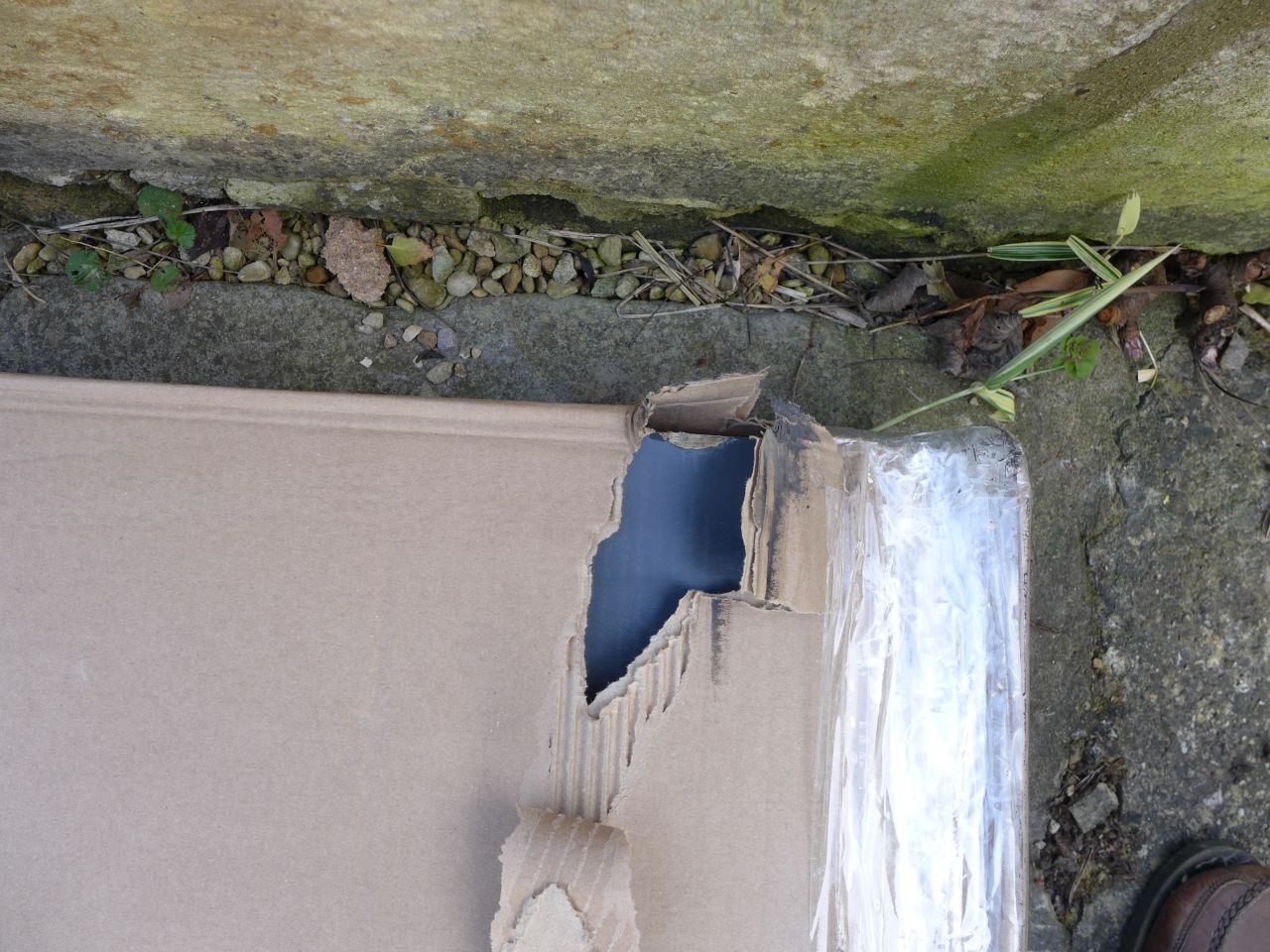
And funny old thing, here was some of the damage:
Suffice to say, this company spent a lot more time and money putting things right that could have been avoided with better attention to packaging.

Keep it boxed
Having received an item and checked it over, the next stage of this painful task is re-packing it for transport to site. A few tips: 1. always take time to note how it came out of the box, so you can put it back again in exactly the same way – take photos if necessary; 2. have some wide parcel tape ready so secure the box; 3. only take it to site when absolutely necessary, to avoid any unnecessary risk of it being damaged in a place filled with dust, paint, contractors and tools. In any event, if the contractor needs to access the item for measurement or fitting, get them to re-box it and store it in a safe location.
