Bringing the outside in is a common phrase these days; but what does it really mean, and how does it work?
Not surprisingly, the general idea is that you see the outdoors from indoors; but you could do that from your kitchen window. So, for the outside to feel part of the inside, it needs to be seamless; from your armchair or dining table, you should be able to see plants, flowers, bushes and shrubs.
Glass extensions, garden rooms and orangeries
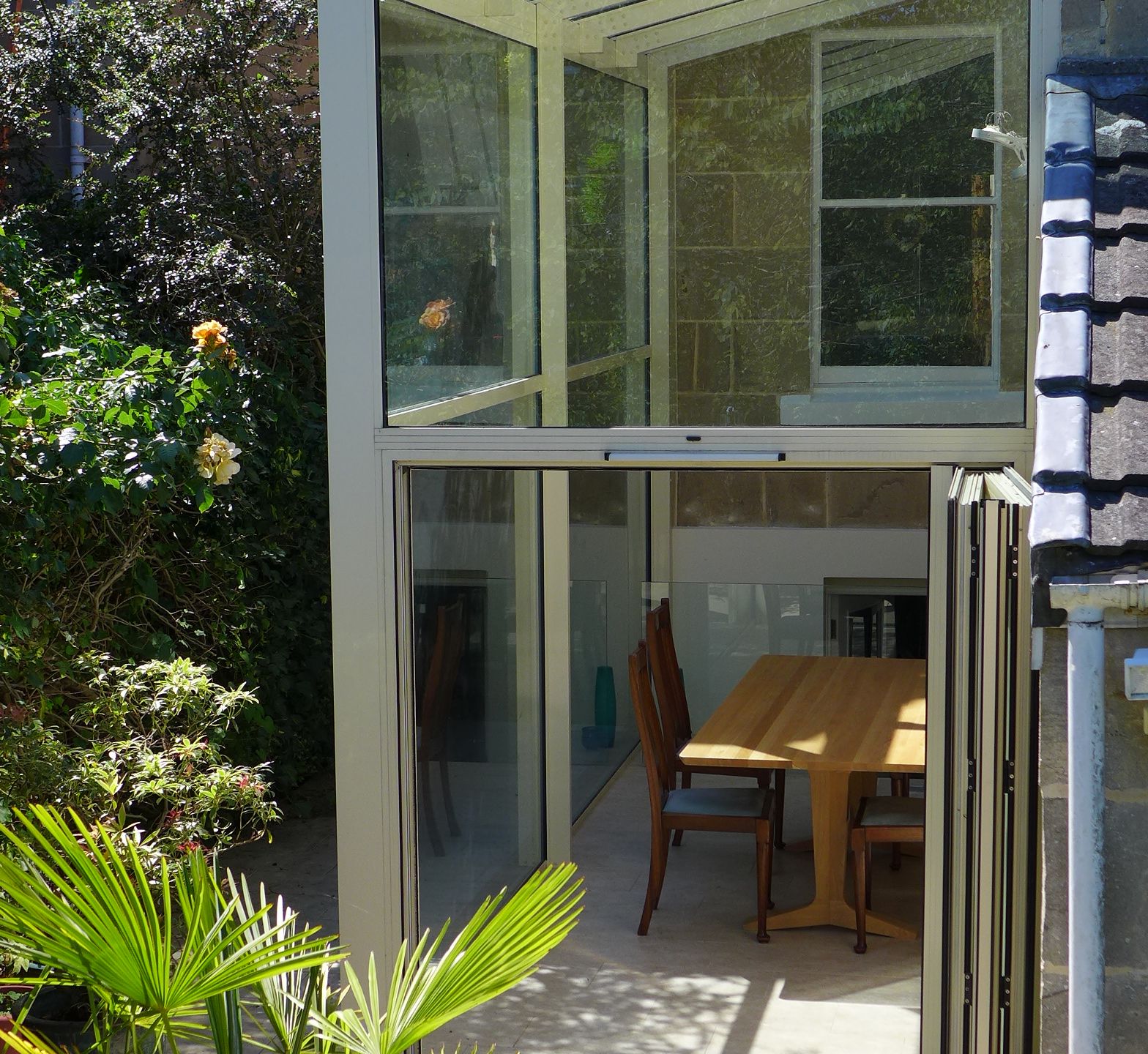
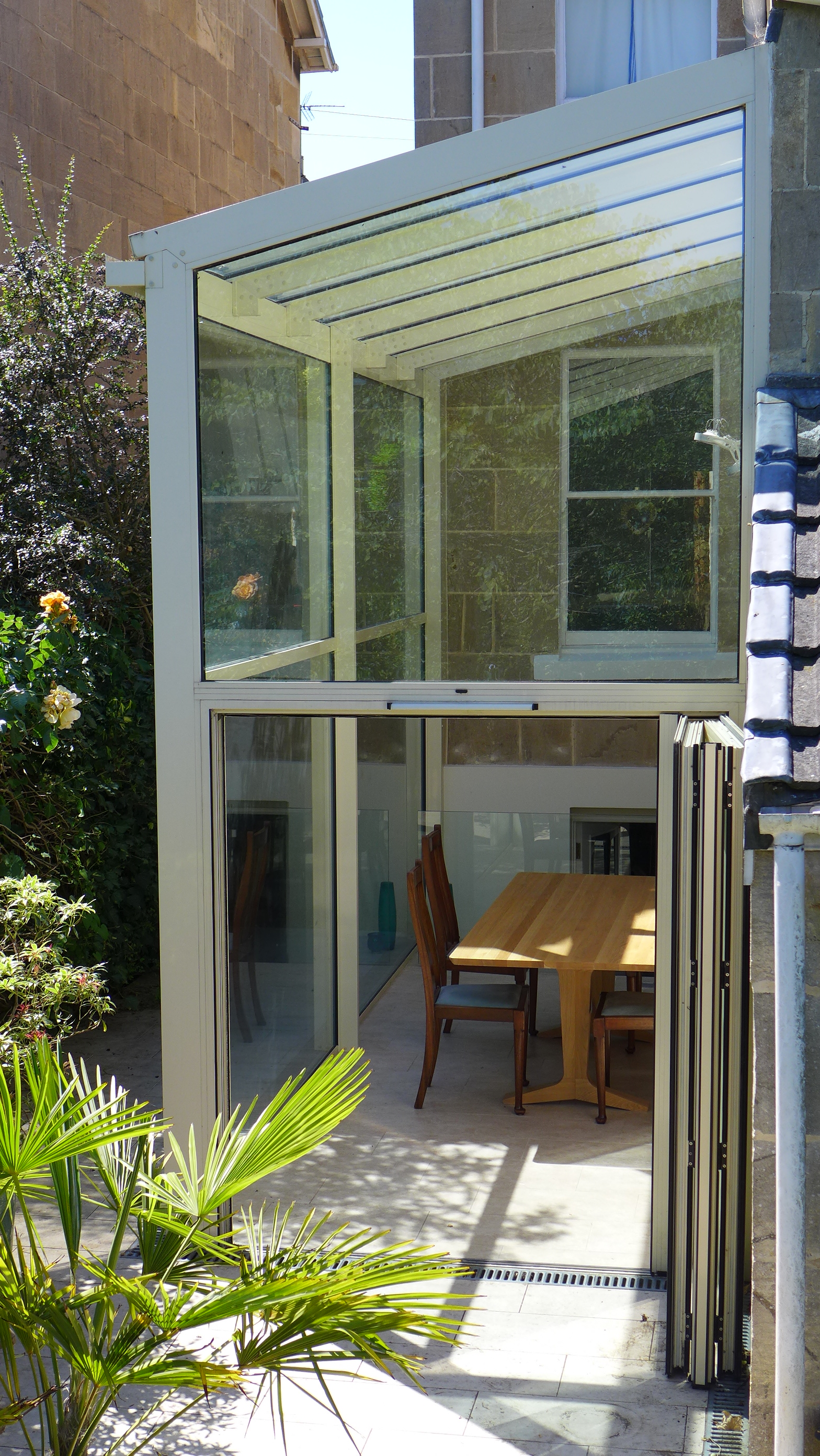
A common way of bringing the outside in is to build a garden room. This may be a glass extension or a conservatory. Ideally, it should form part of the existing house. Conservatories are usually an add-on to a house which you access through partition doors, whereas a glass extension is enjoyed through a permanent opening, usually in the side or end of the original property. Here, we designed this glazed side extension with views over the garden.
Folding sliding doors and bifold doors
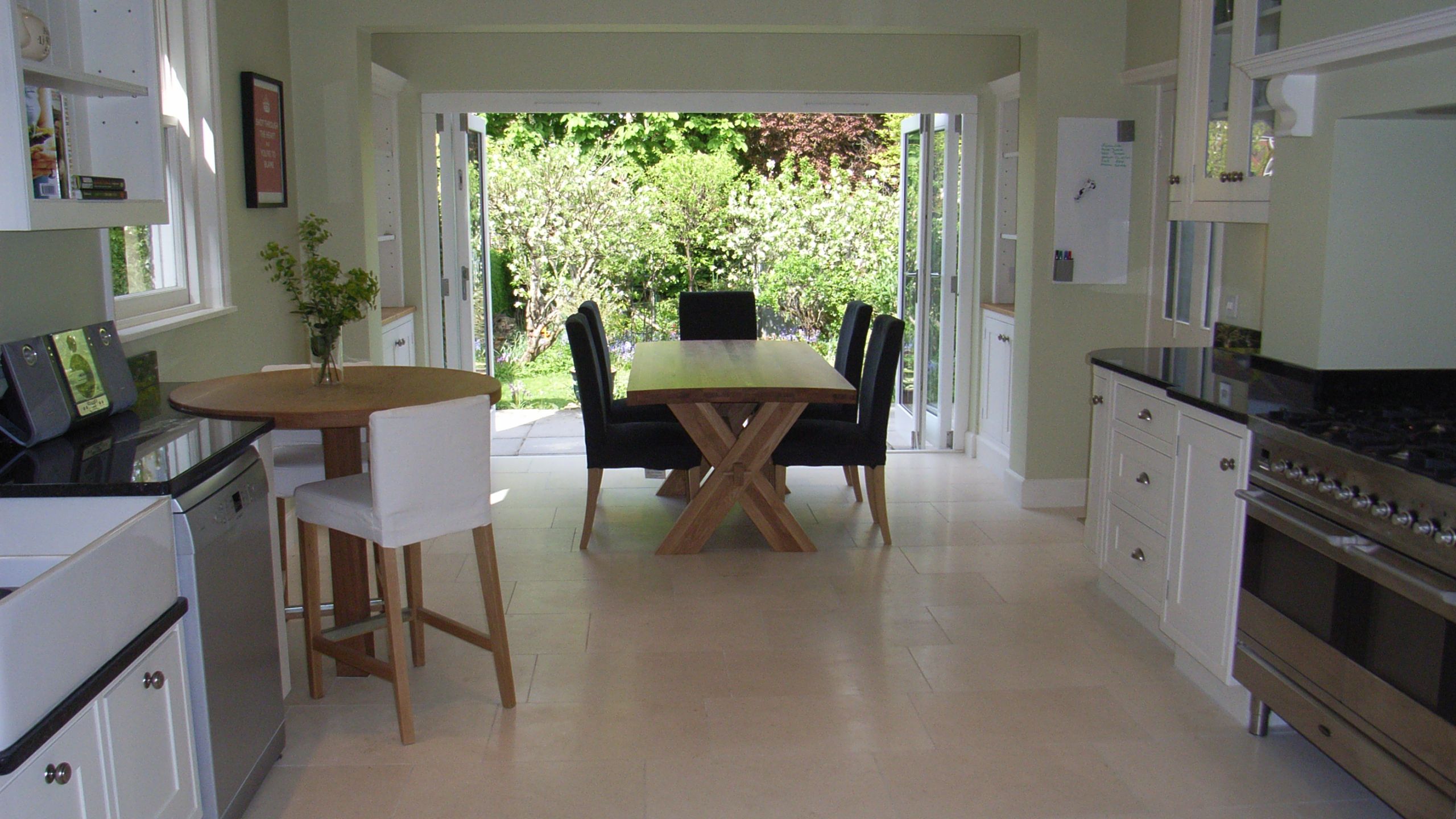
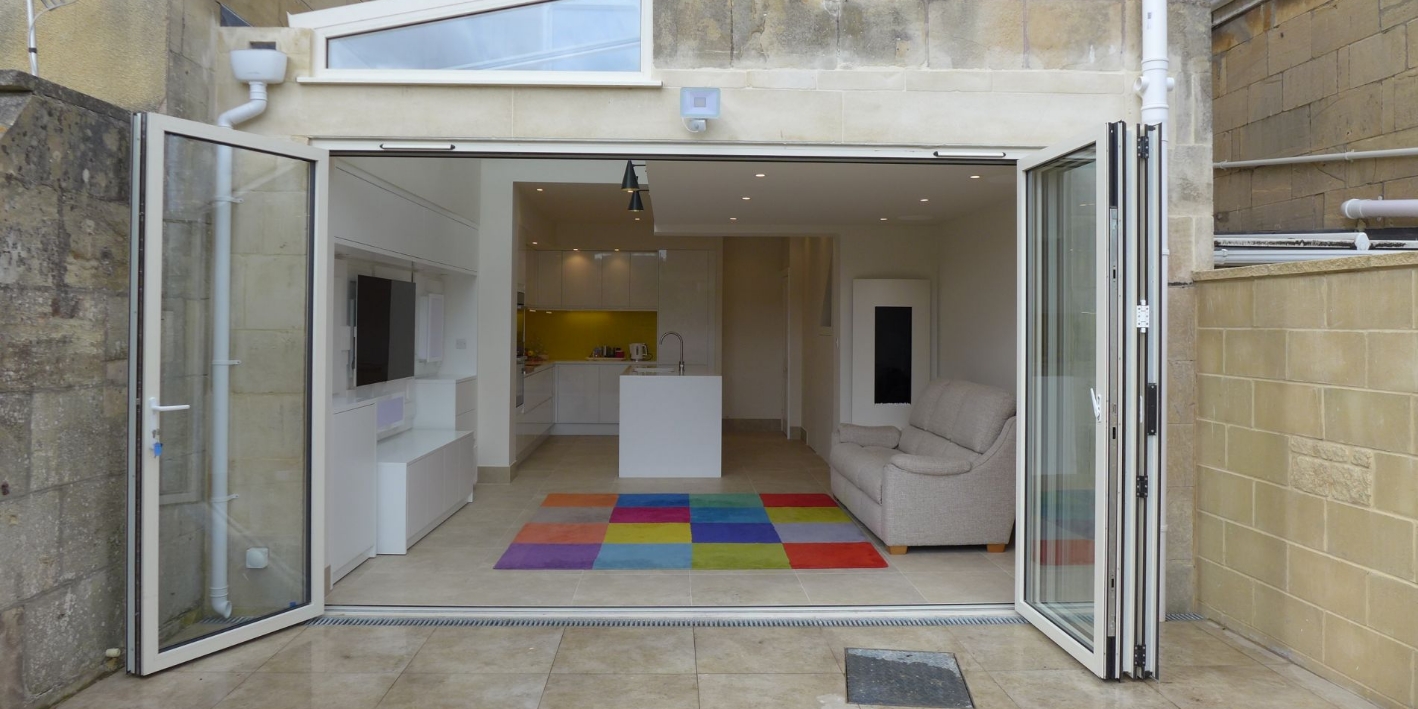
A knock-through with full-width, folding-sliding or bifold doors offers a broad view of the estate. It makes for a pleasurable dining experience and, with the kitchen nearby, you can spill out onto the patio for al fresco entertaining.
French doors
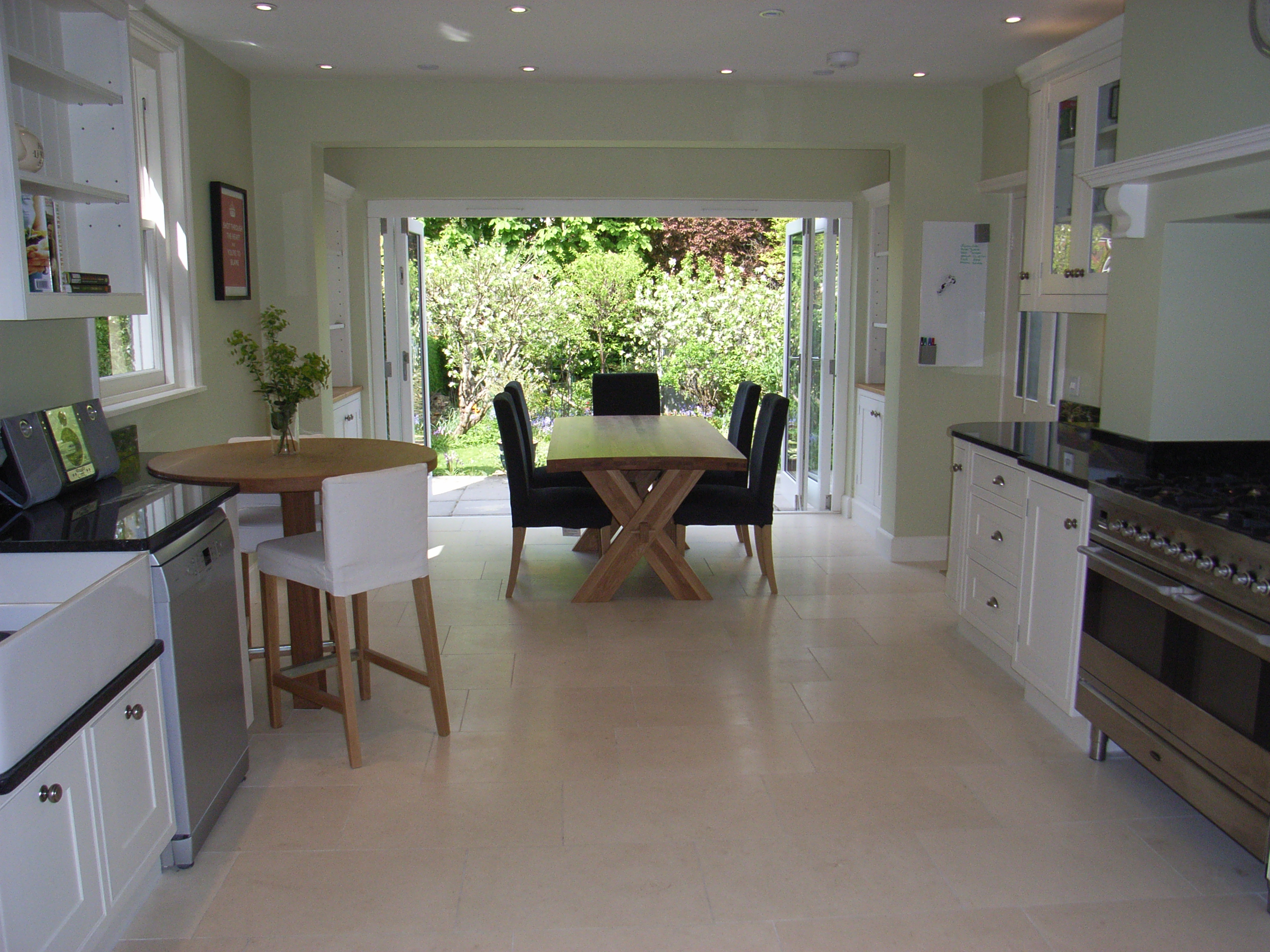
A cheaper option to bi-fold doors is a pair of french doors. UPVC models are the cheapest, but consider timber too as in our design below. If budget allows, look to install side lights (full-height windows) to widen the view.
Large sliding doors
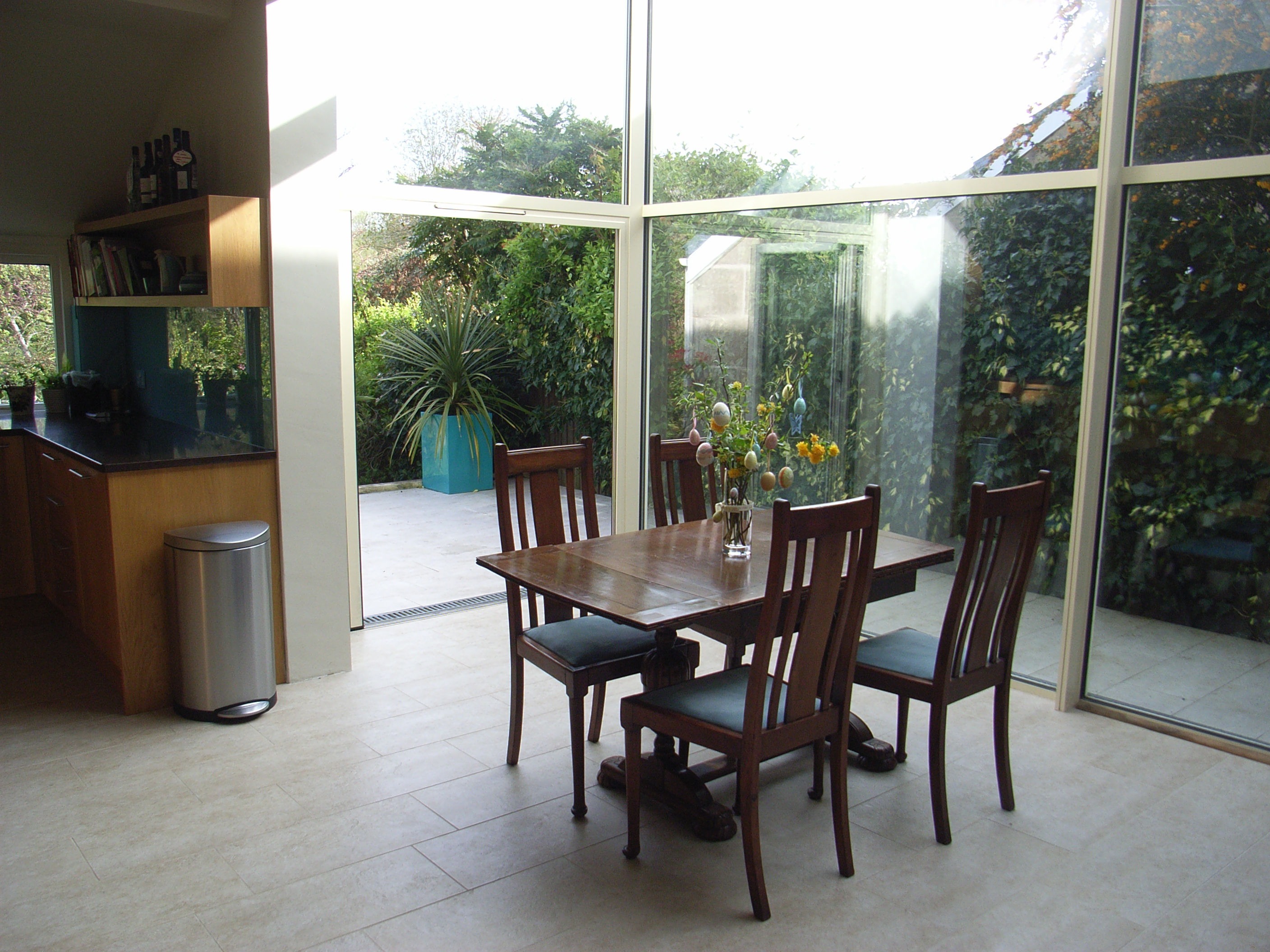
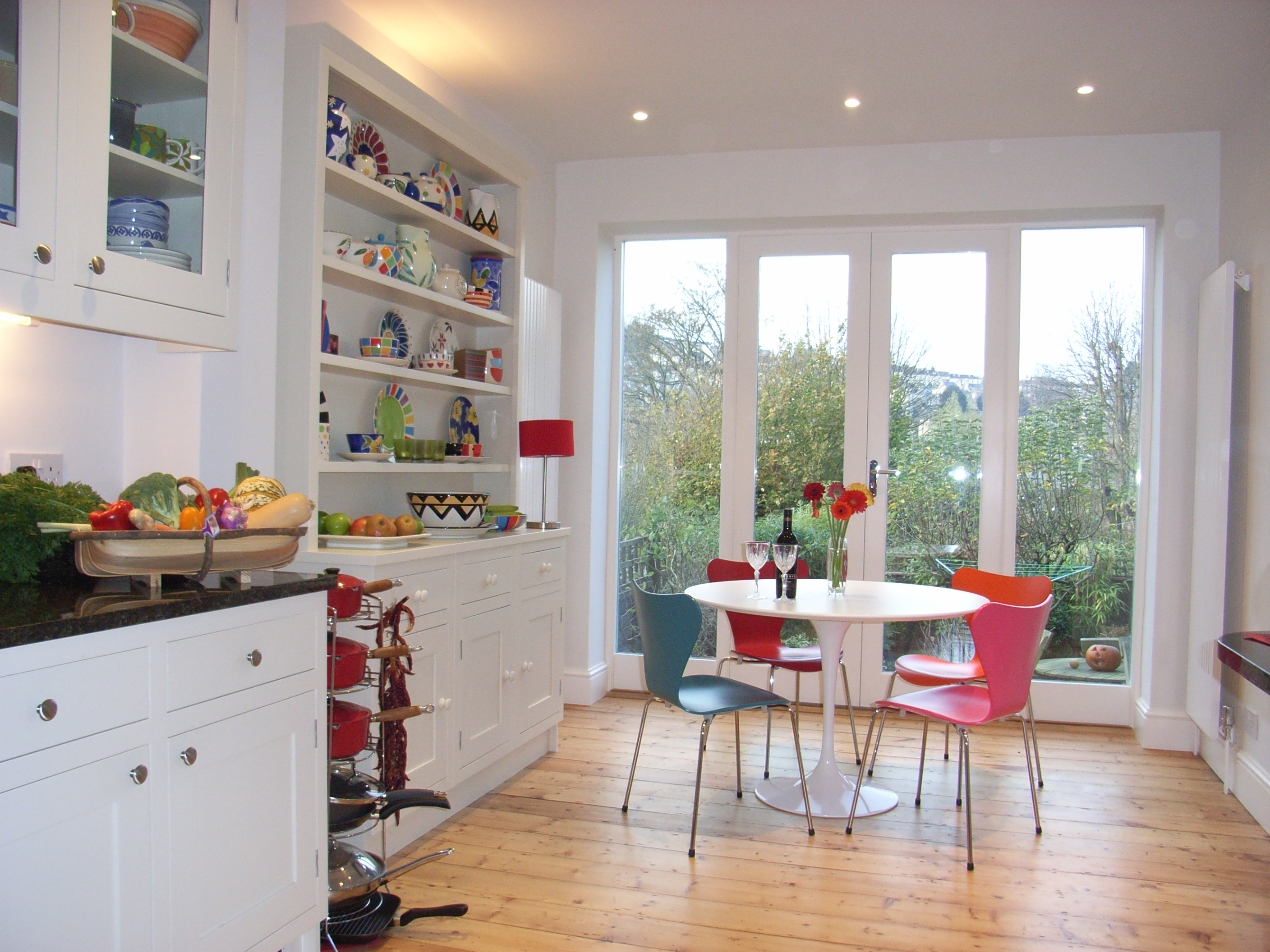
Another alternative is a set of sliding doors, as in this new build near Bath. Go for the largest glass panels possible for an uninterrupted view of the grounds.

Flush thresholds
You should aim for a flush, or near flush, threshold. In the first example below, you can see an awkward step and a trip hazard – a particular problem for older folks. In the second, the levels are the same inside and out; you simply carry on walking as if the threshold isn’t there.

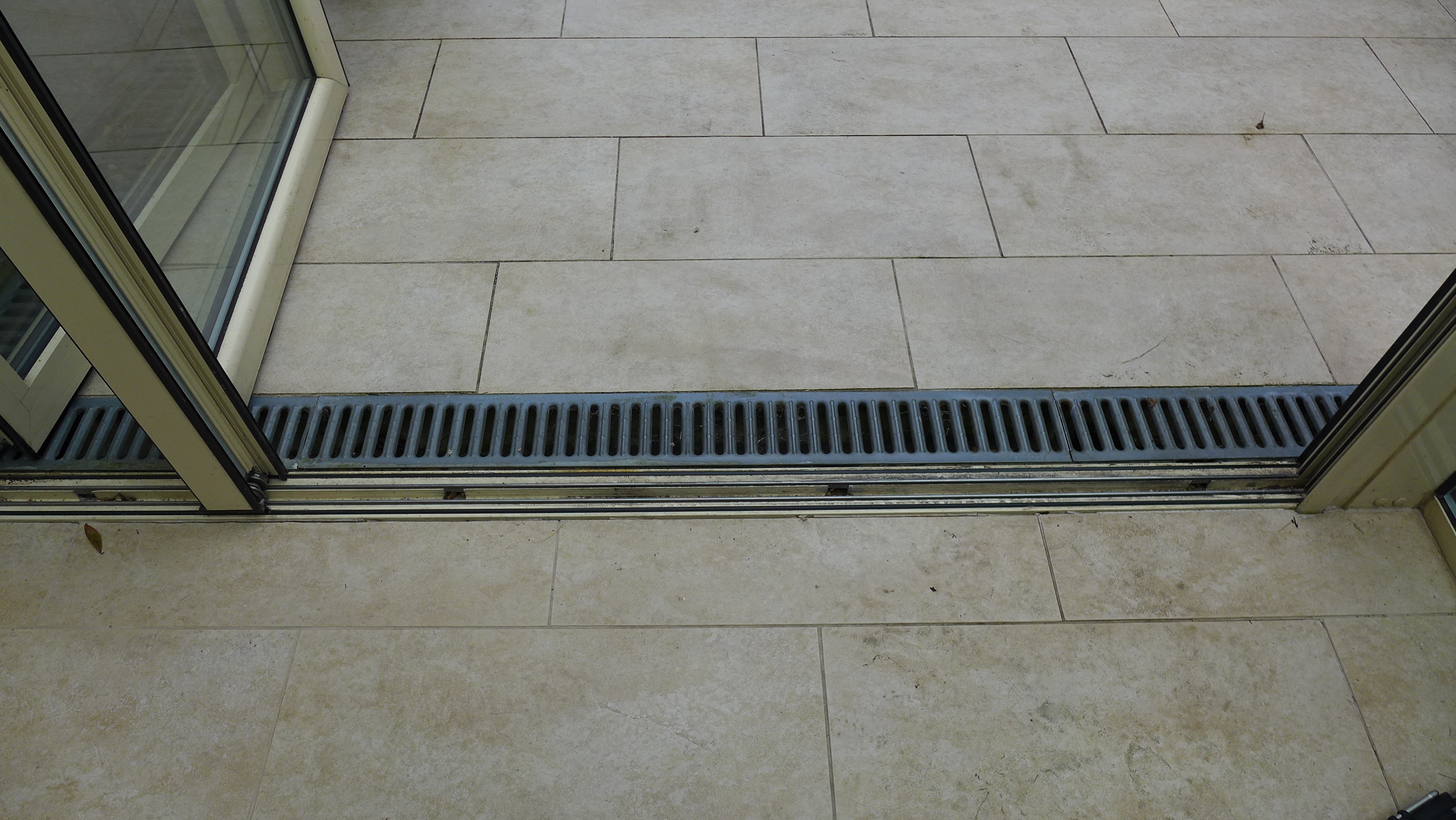
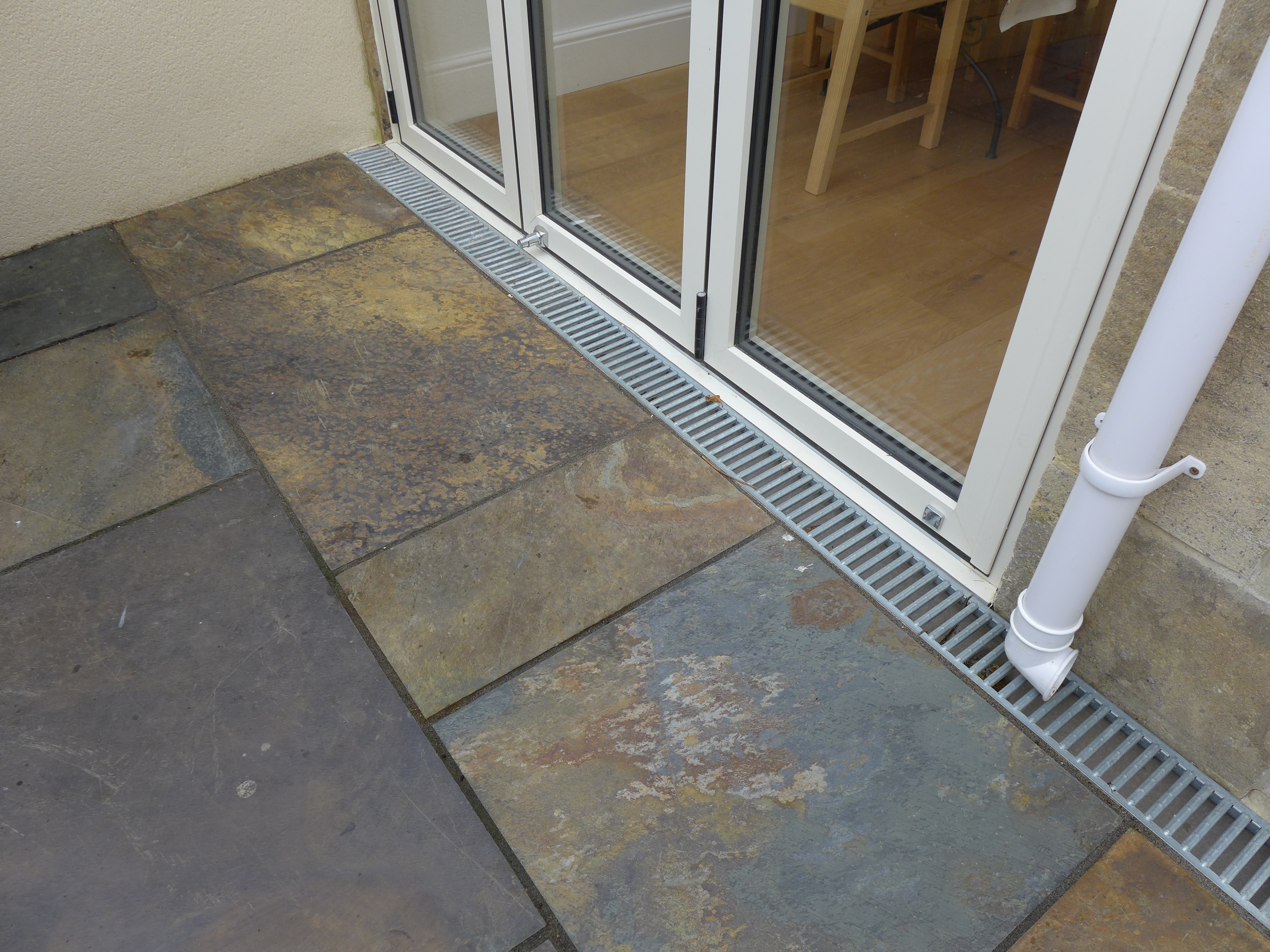
Some might be concerned that a completely flush threshold would be more vulnerable to driving rain – but from personal experience this hasn’t been an issue. Reputable fabricators produce specific flush-level doors with seals to protect against the weather. But you do need to keep loose stones under control, as they can snag beneath the doors.
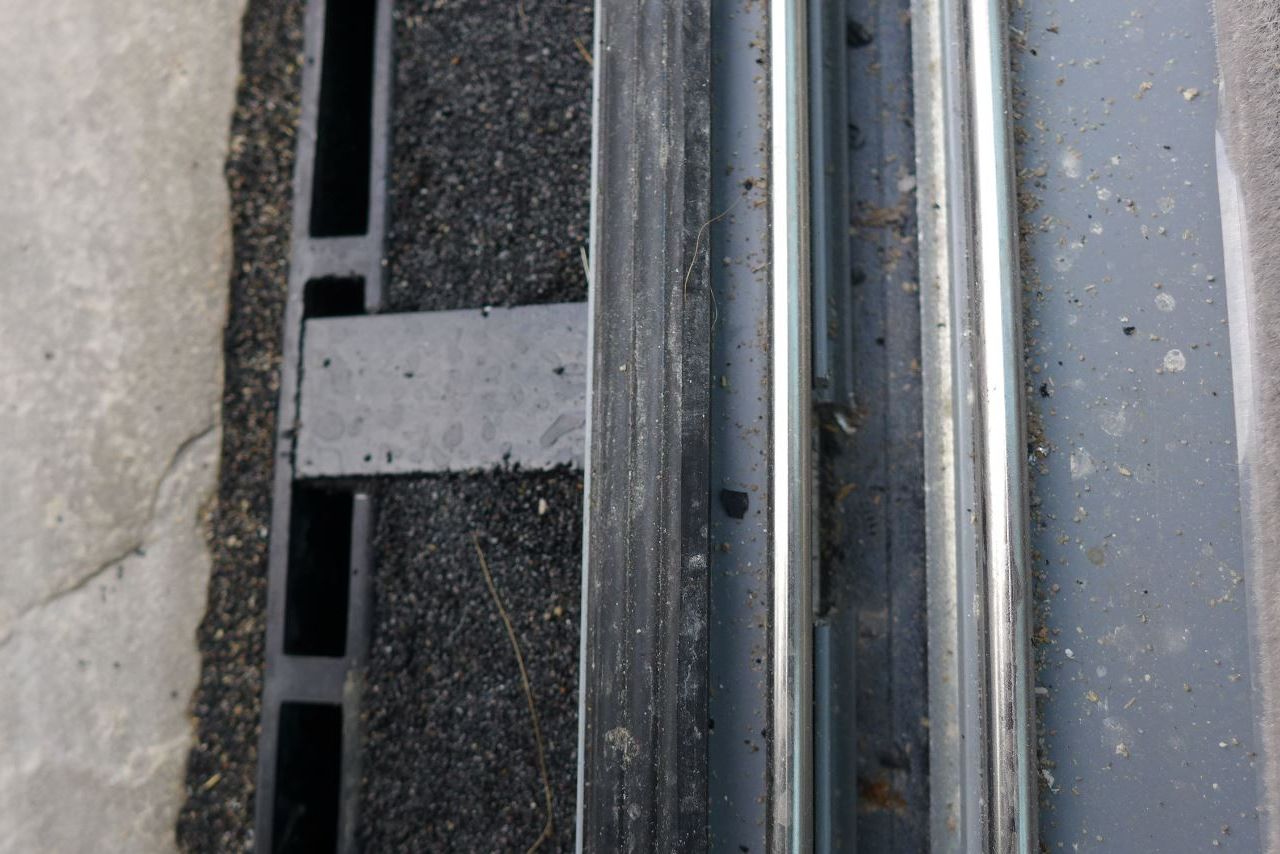
Here is an example of a near flush threshold, where the difference in levels is only 20mm. This has the advantage of a small upstand providing additional weather resistance, without causing a trip hazard.
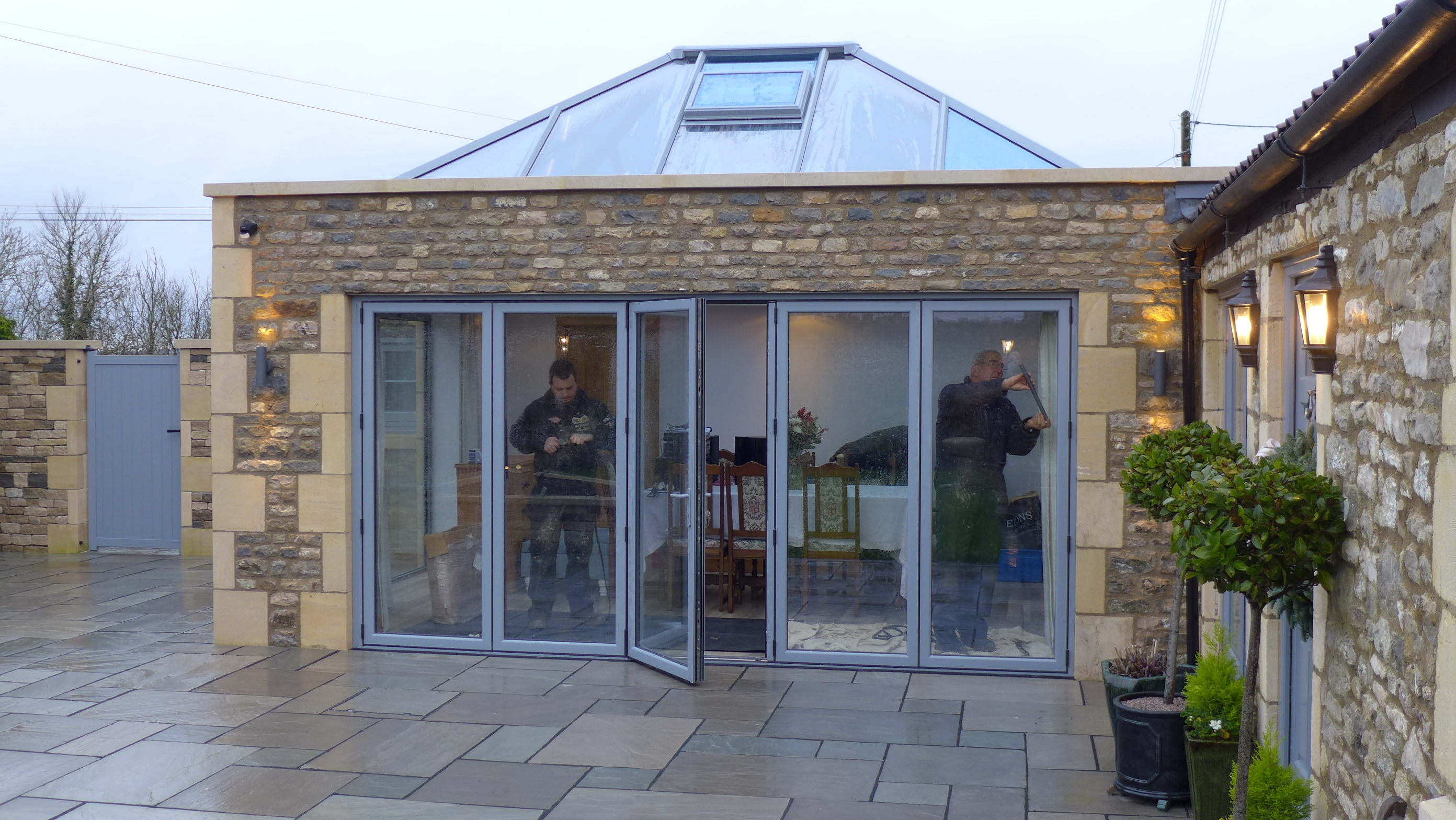
So before your builder measures up, advise them that the design requires a flush or near flush threshold.
Matching tiles inside and out
These days, you’ll often find anti-slip tiles for outside paired with standard tiles of the same type, providing a seamless transition across the threshold.
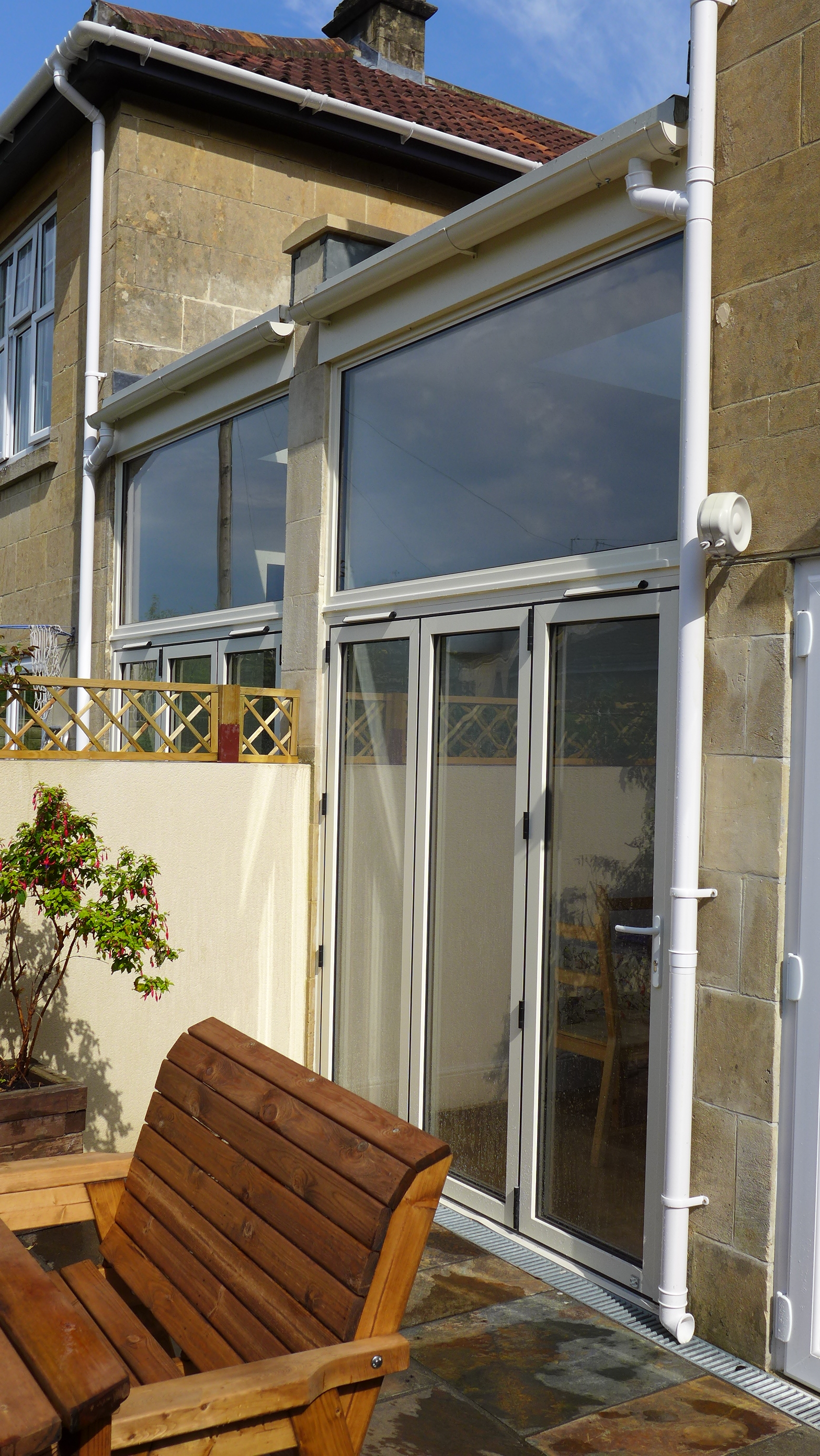
If your patio is already significantly lower than the finished floor level, we would raise it – at least for the metre closest to the house, so you can walk out safely without tripping. You can then step down once clear of the threshold.
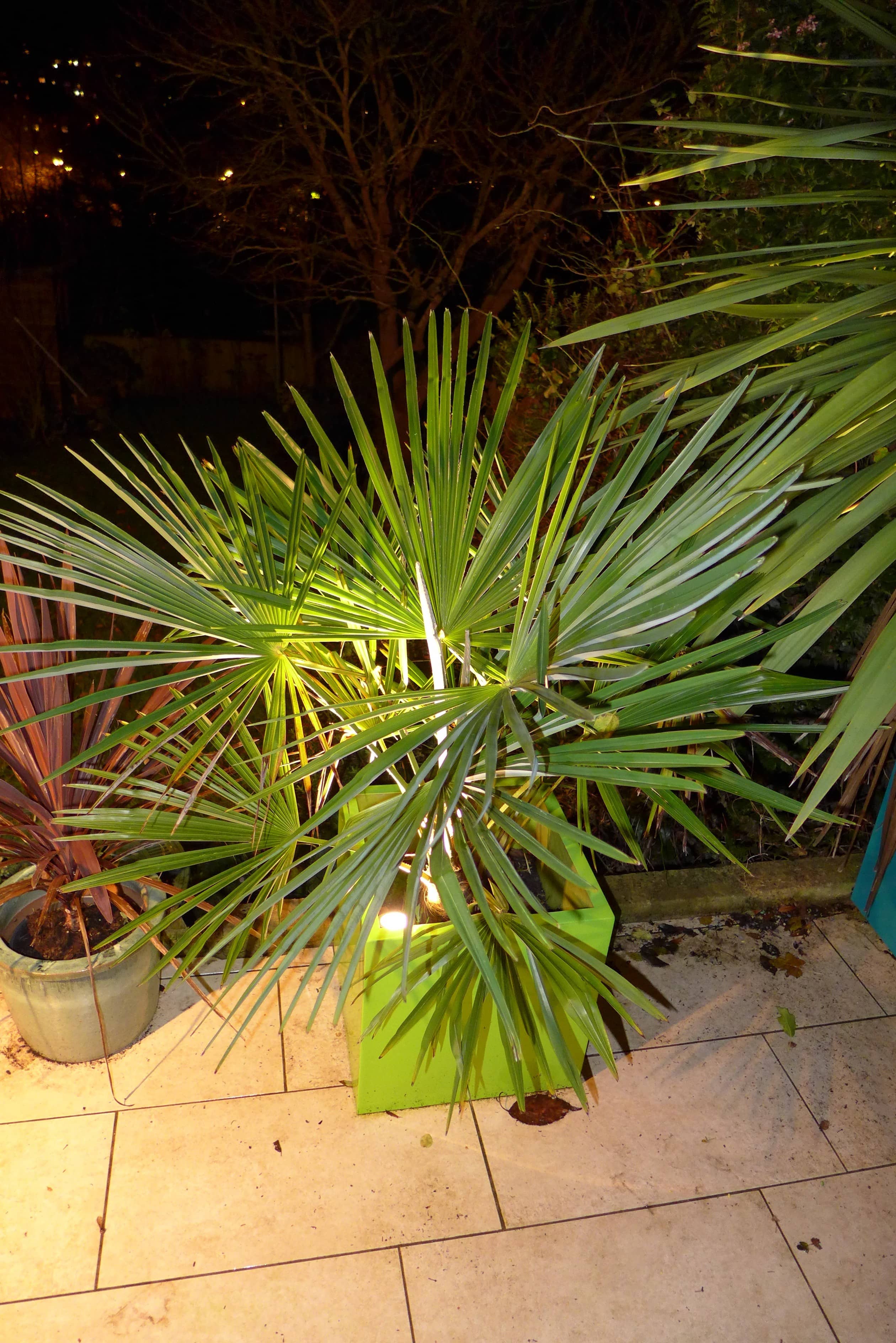
Attractive planters
If you invest in a lovely glass extension, you need an attractive outlook – there’s not much point creating a beautiful view of your bins. We position stylish planters with architectural plants, illuminating trees and bushes and disguising unattractive features.
Bringing the outside in
If you are planning an interior renovation, think about the outlook. To give you some idea of costs for these projects see our page on how much things cost.
