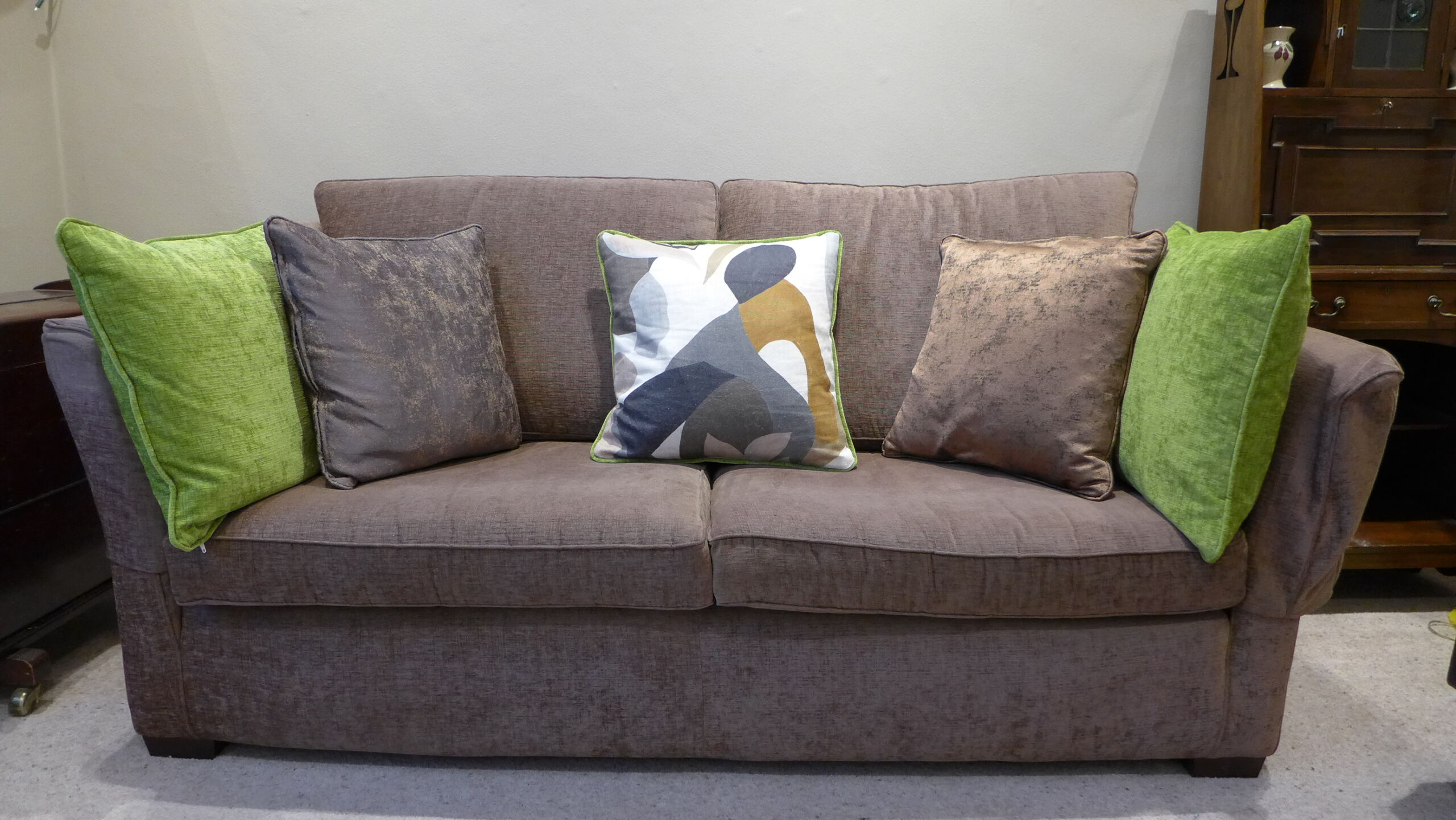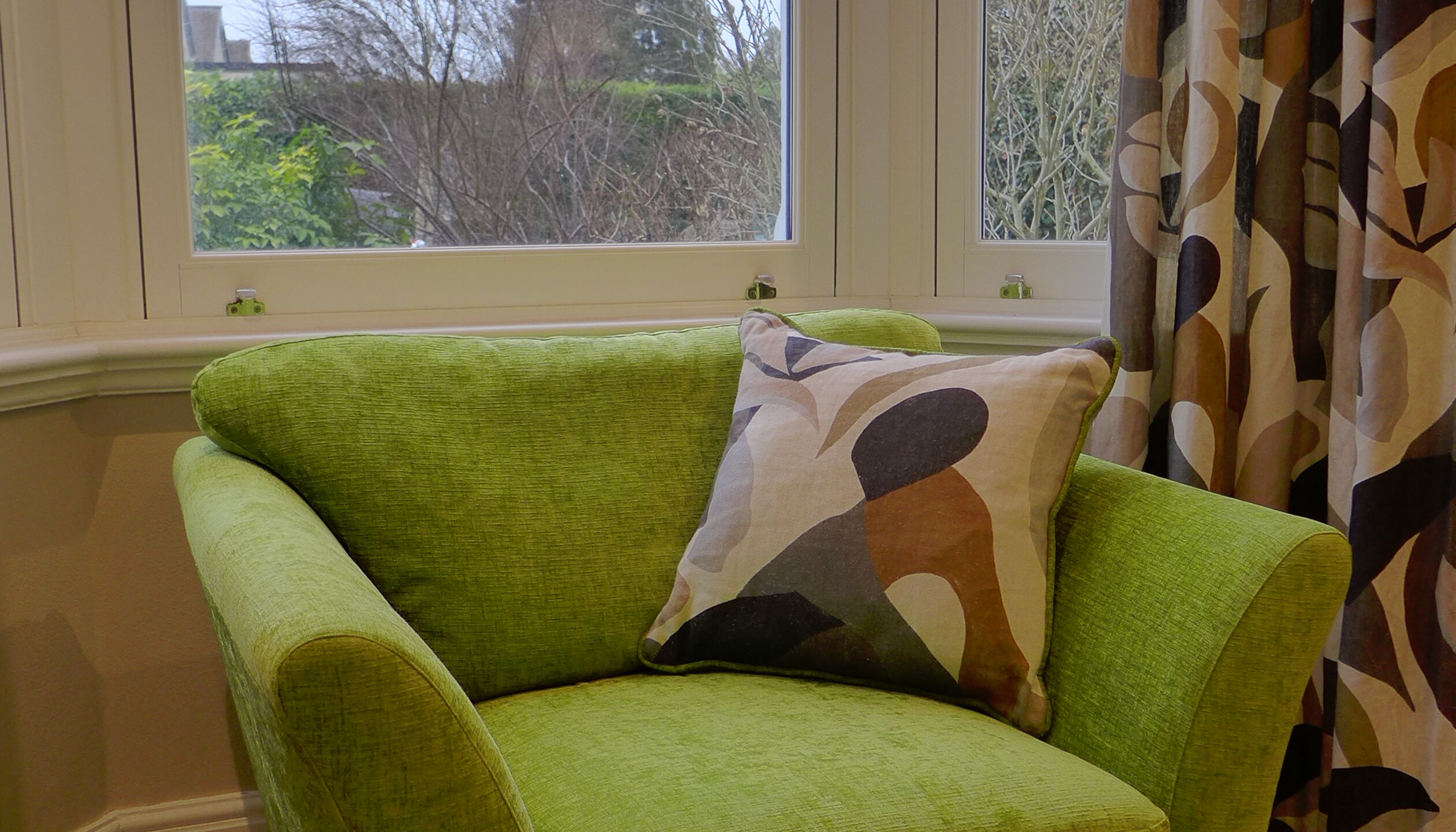
So you have an armchair that’s been in the family for years. It still has good bones, but looks tired, worn and a bit saggy – an armchair version of Bagpuss. Don’t throw it away – give it a facelift, and do your bit for the environment.
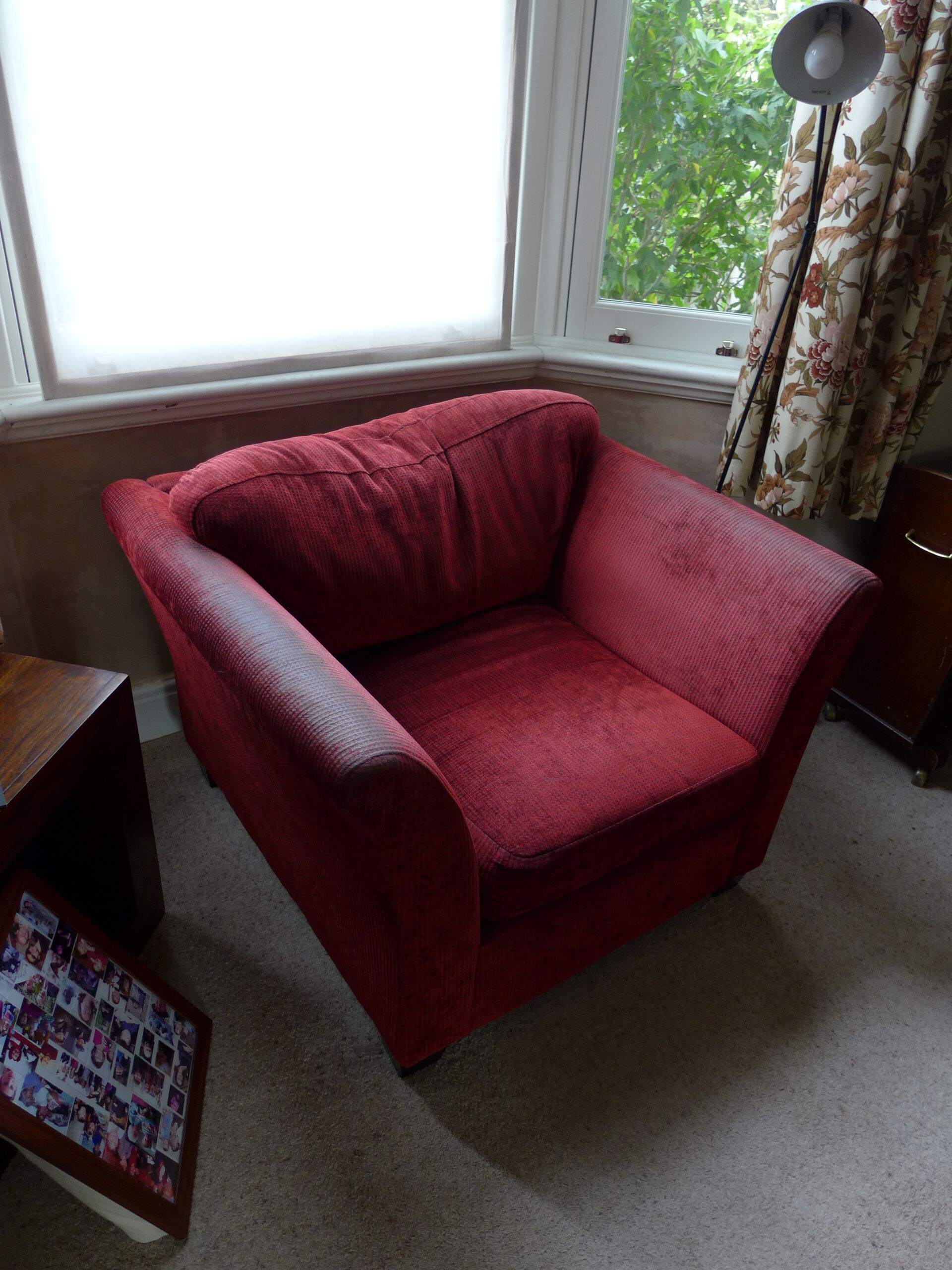
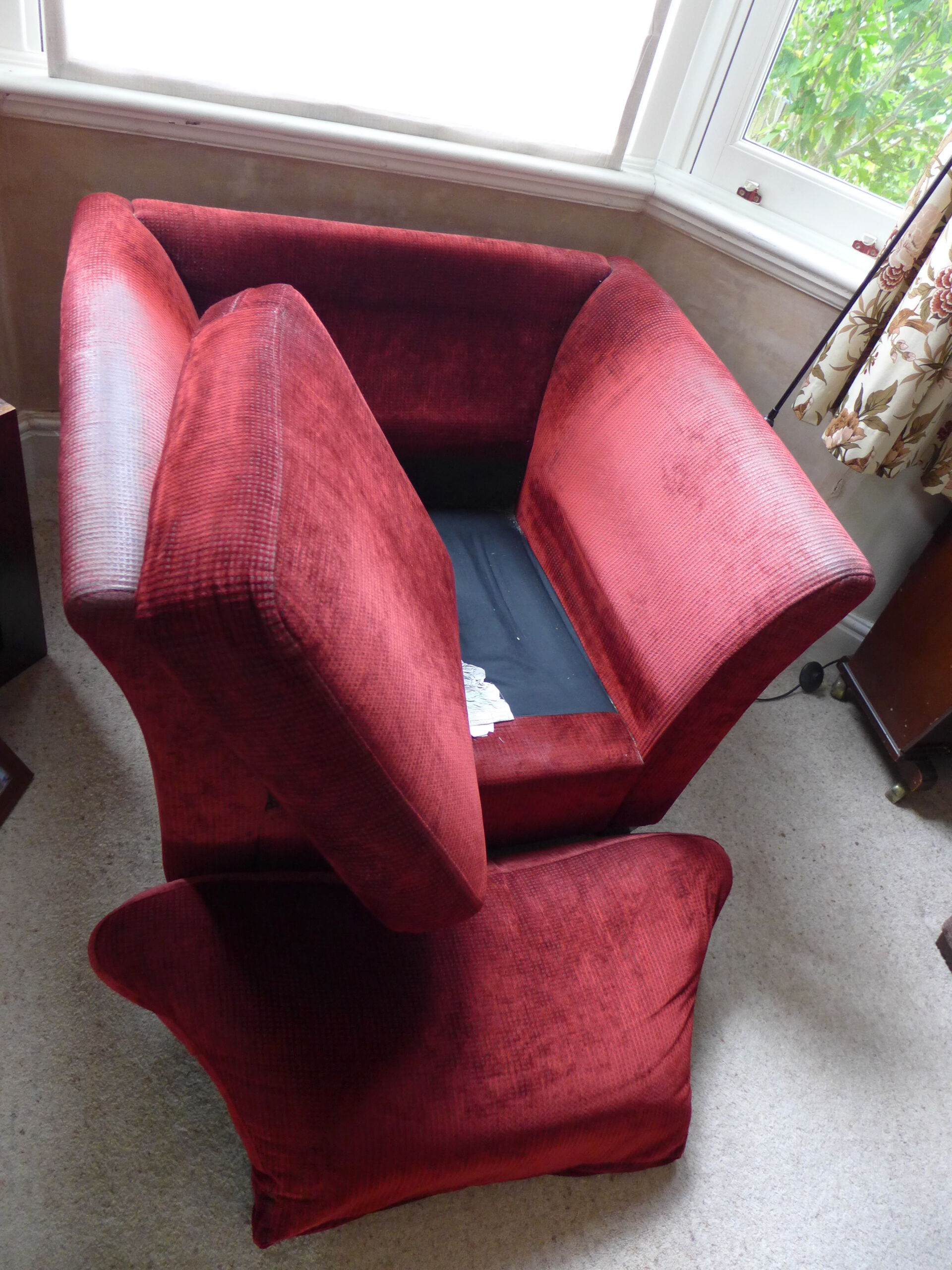
This armchair was around 15 years old. The back cushion sagged and the arms were worn with years of legs slung over the side. Not to mention TV dinners. Yet it still had a pleasing shape for the space, a comfortable seat cushion and was perfectly functional. It seemed sensible to re-upholster it.
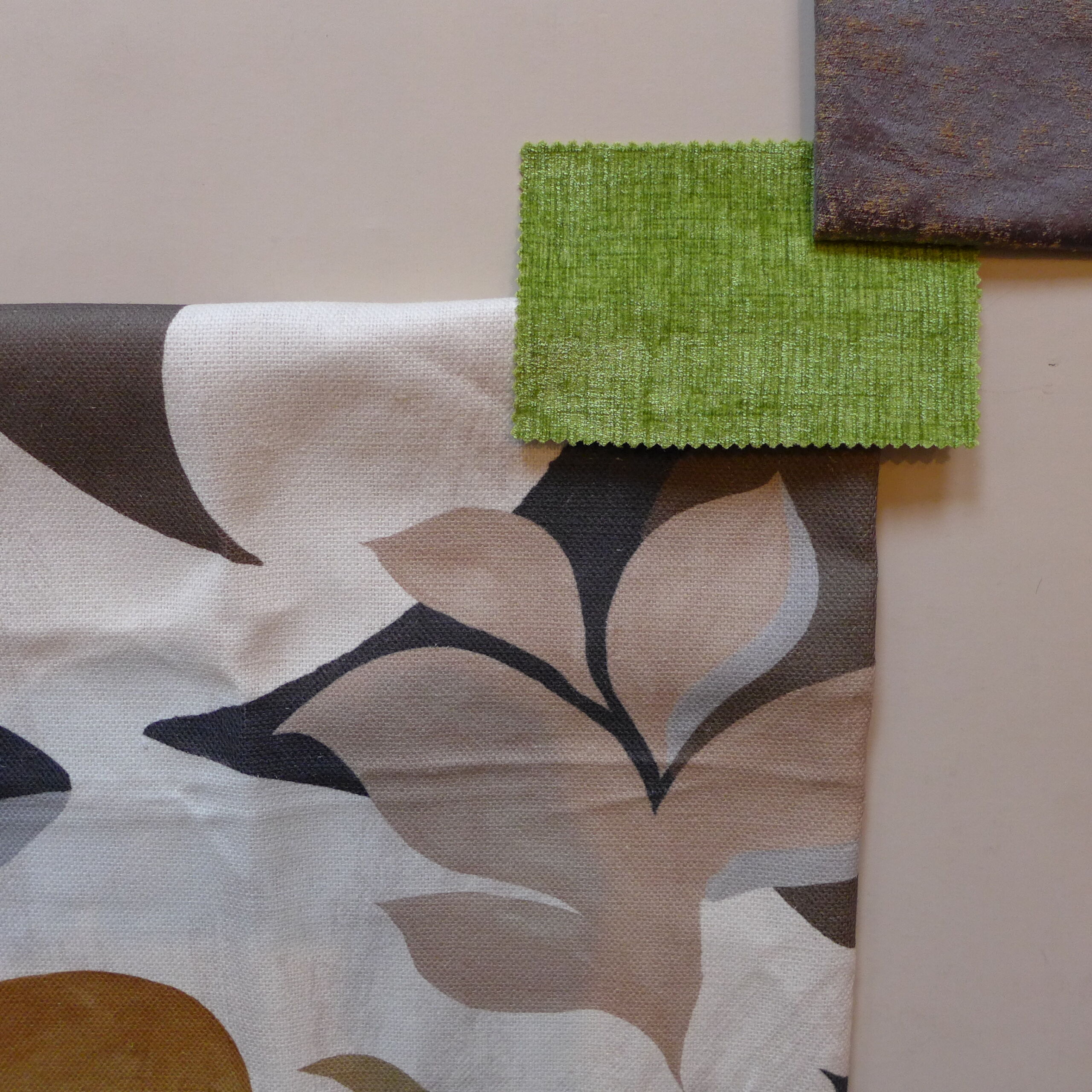
Sample board
As with any interior design, you need to consider the re-upholstery fabric in conjunction with other colours, patterns and finishes in the room. If you are only re-upholstering one item, bring fabric samples into the space and see what goes with the curtains, flooring, and paint scheme. If you’re taking the opportunity to change a number of items, try out different combinations on a sample board
Upholstery service
We chose the fabric and sent photos, dimensions and sample references to a local upholsterer to confirm quantities. Most upholsterers will supply fabric, but we have accounts with many fabric houses so provided our own. We had to apply a fire-retardant treatment for upholstery use, but that made no practical difference to the fabric’s comfort.
Upholstered armchair
Before and after photos of this beloved re-upholstered armchair.

Cushions
A useful designer’s trick is to include a few cushions in coordinating fabrics. Your upholsterer will make these for you. If you recall the sample board above, we were also choosing curtains, so designed cushions with curtain fabric, piped in green. We chose sheeps wool inner cushion pads, which hold their shape really well and are eco-friendly.

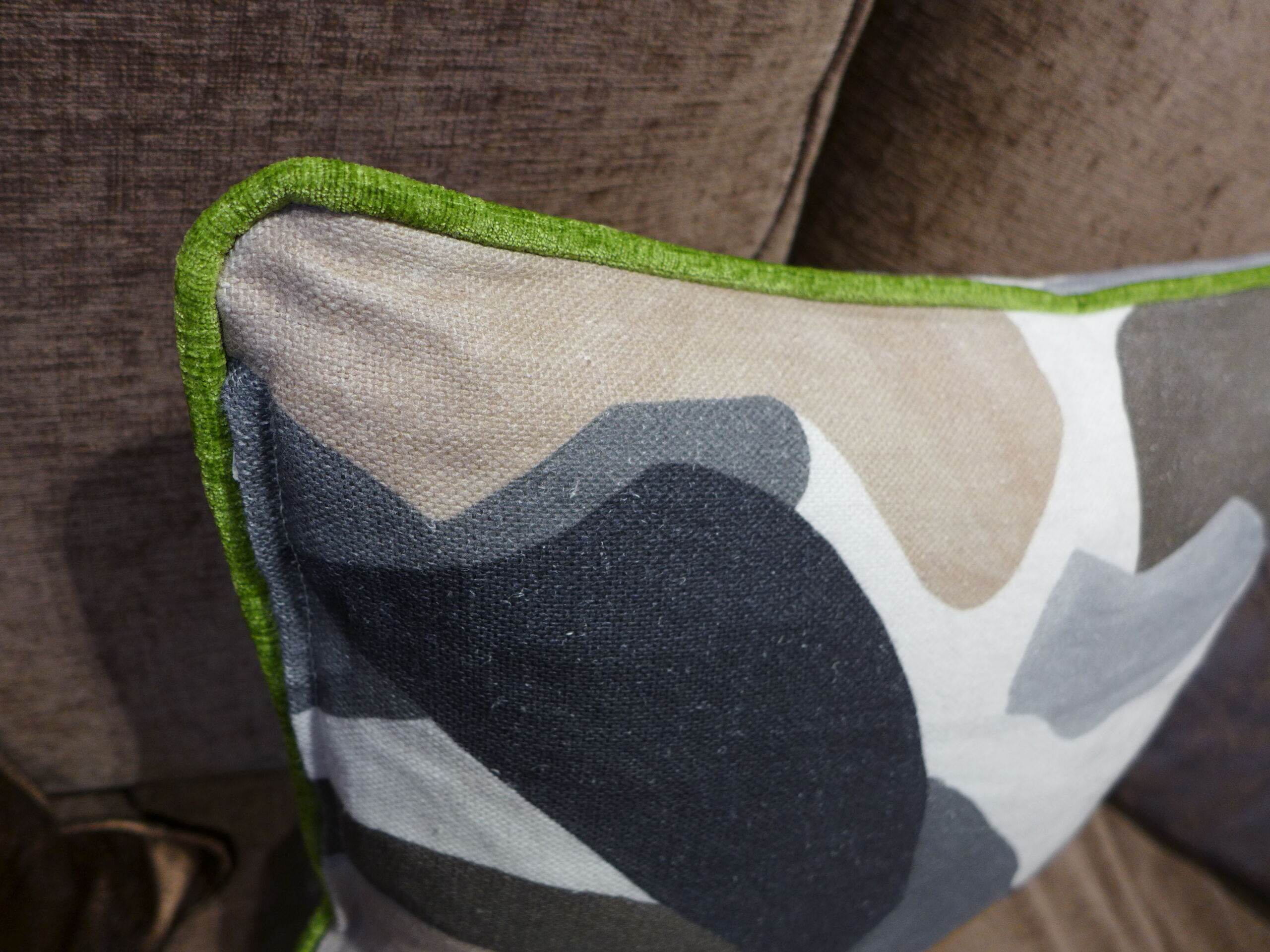
With a second pair of cushions made in the green fabric and another pair in tobacco and bronze for an adjacent old sofa, the room design came together beautifully.