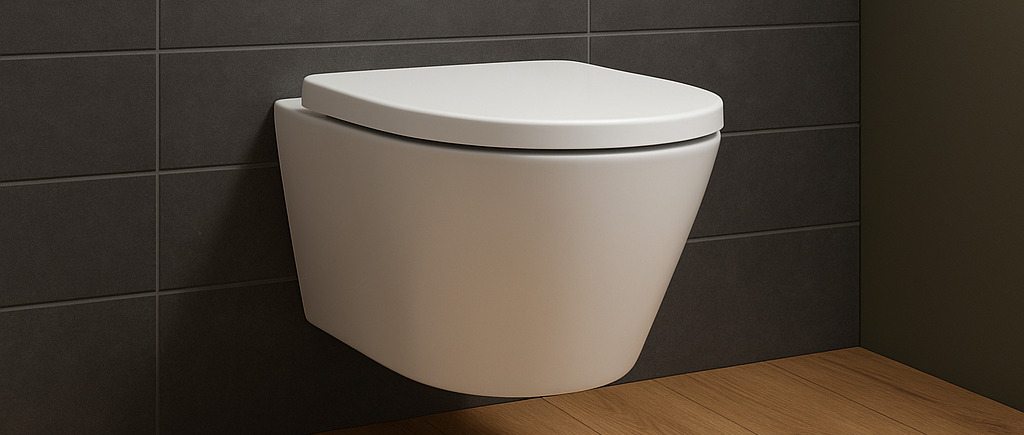
Where do you begin when there are so many toilets on the market? First, plan the space. Then use this comprehensive guide to explore options in choosing the perfect WC for your bathroom.
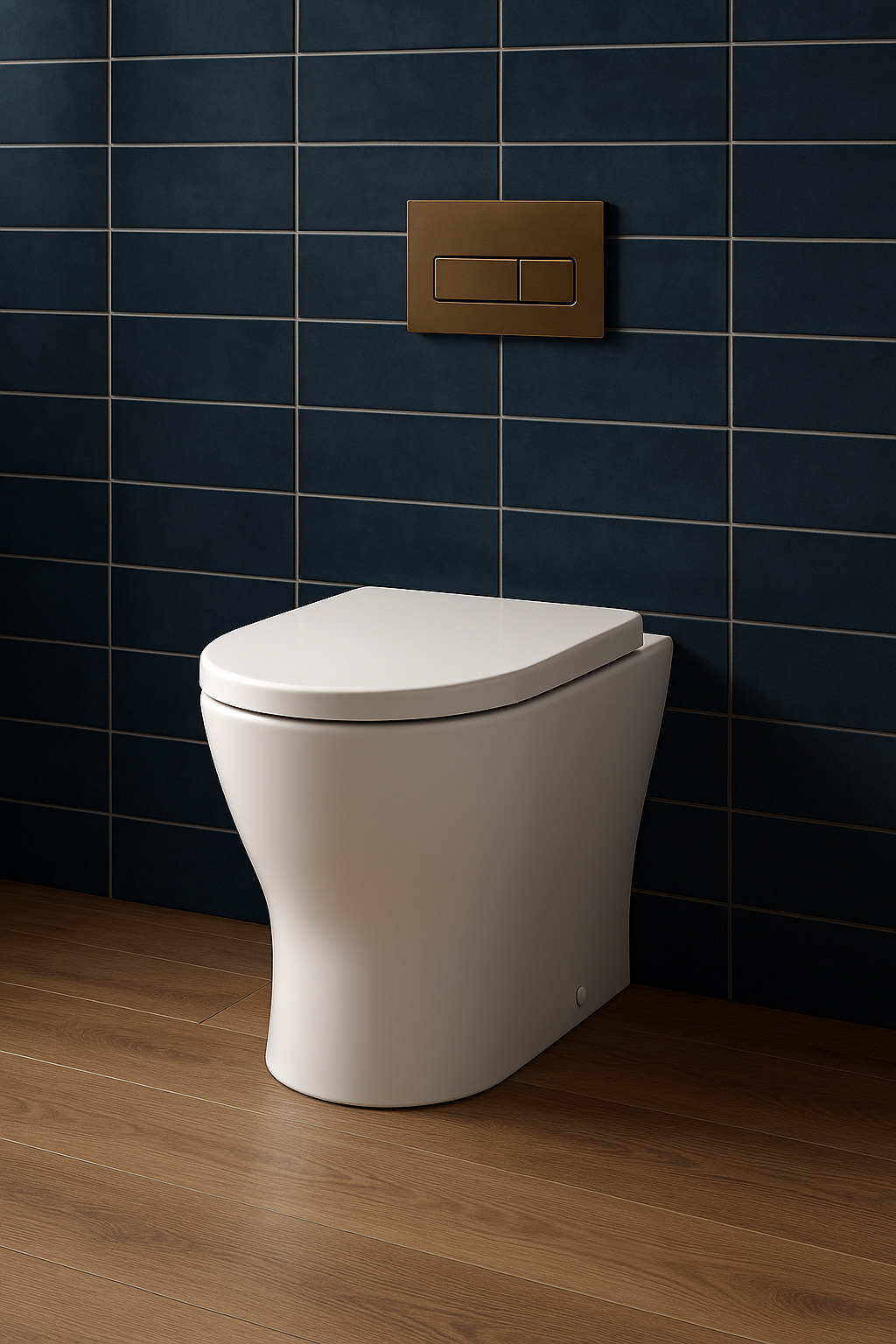
Back-to-wall toilet
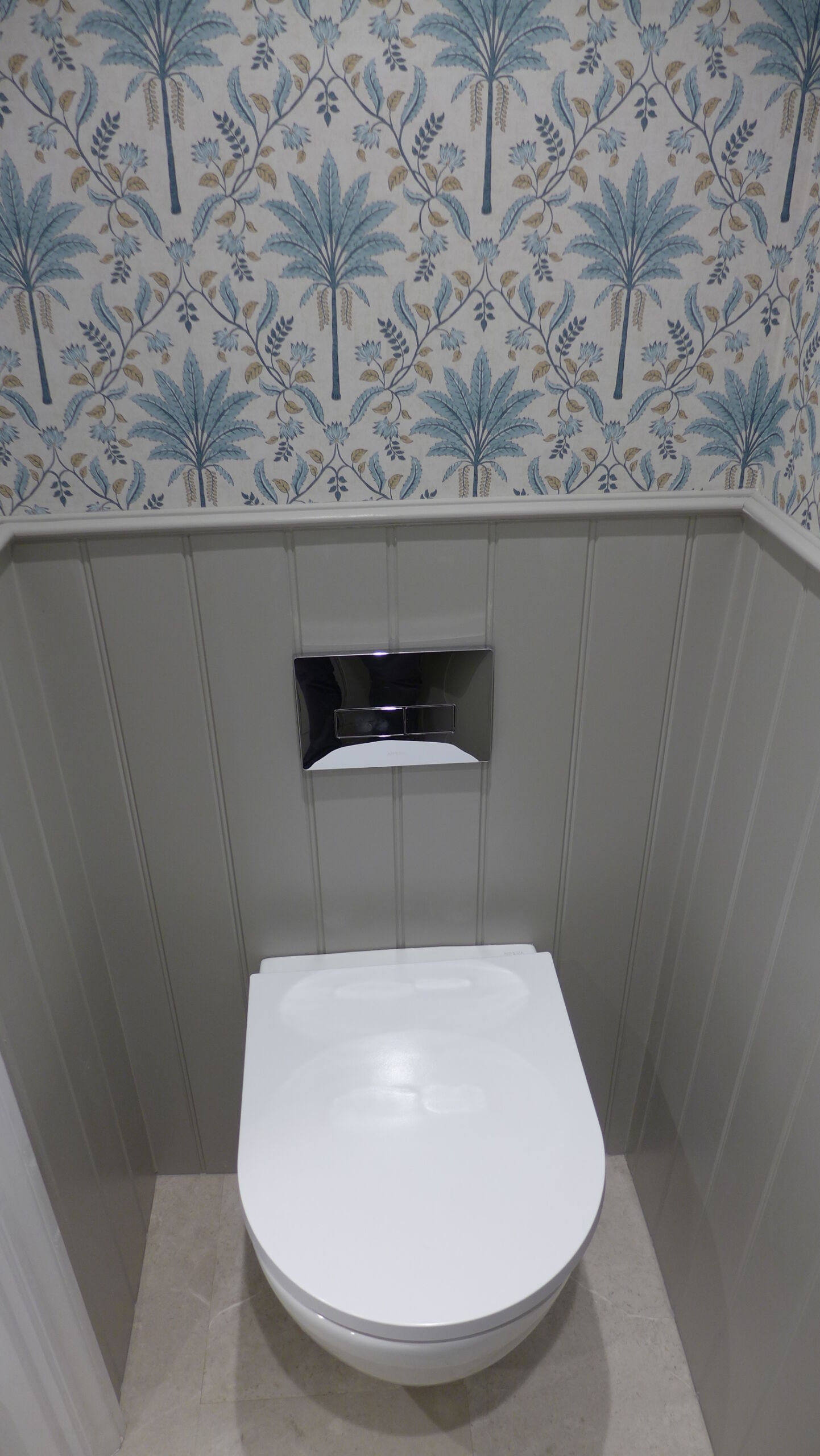
For a more minimalist bathroom aesthetic, back-to-wall toilets provide a sleek solution. The pan sits flush against the wall while the cistern remains concealed either within a furniture unit or behind a partition wall. This design creates a seamless look that maximises visual space – perfect for modern bathroom interiors.
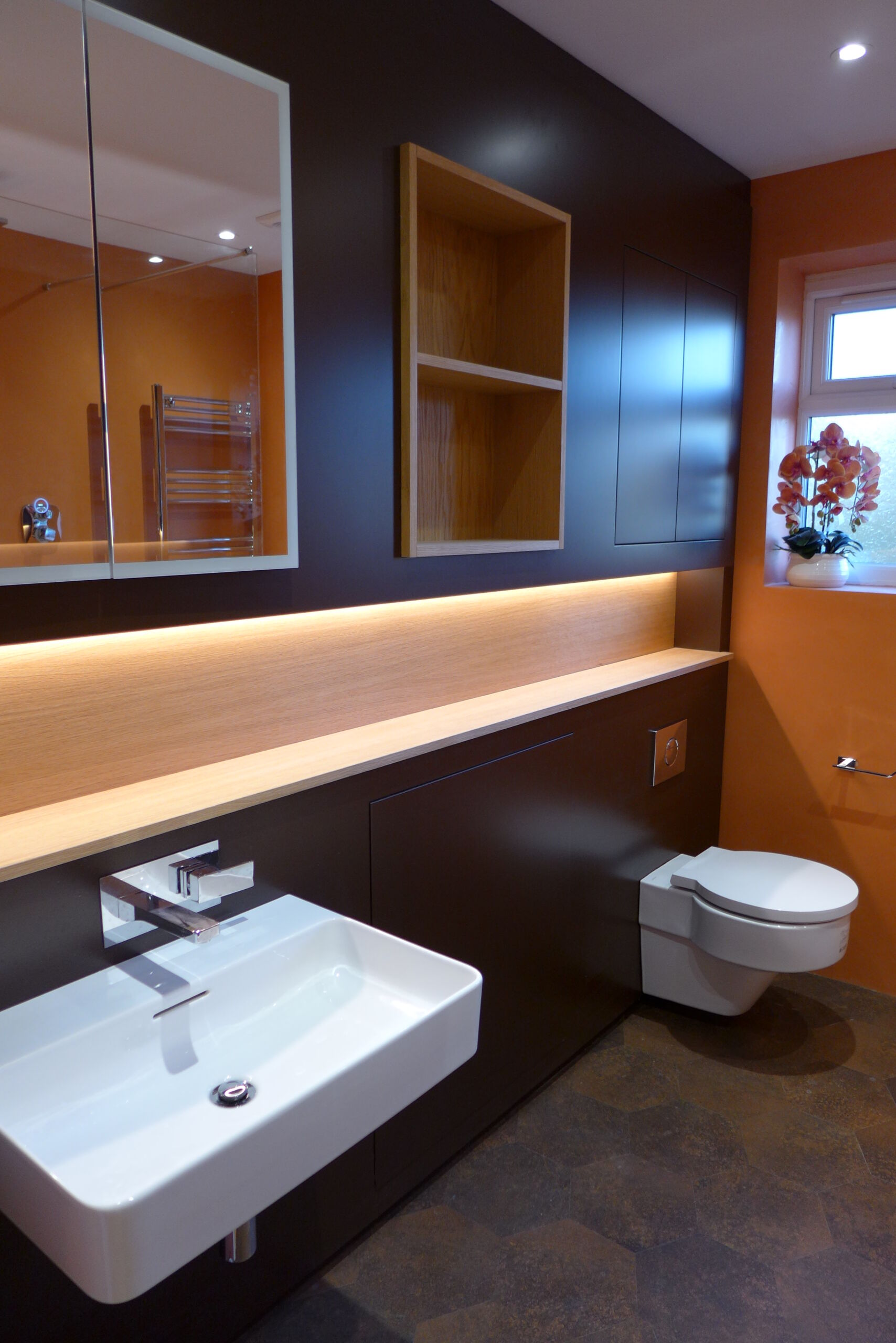
Wall-hung toilets
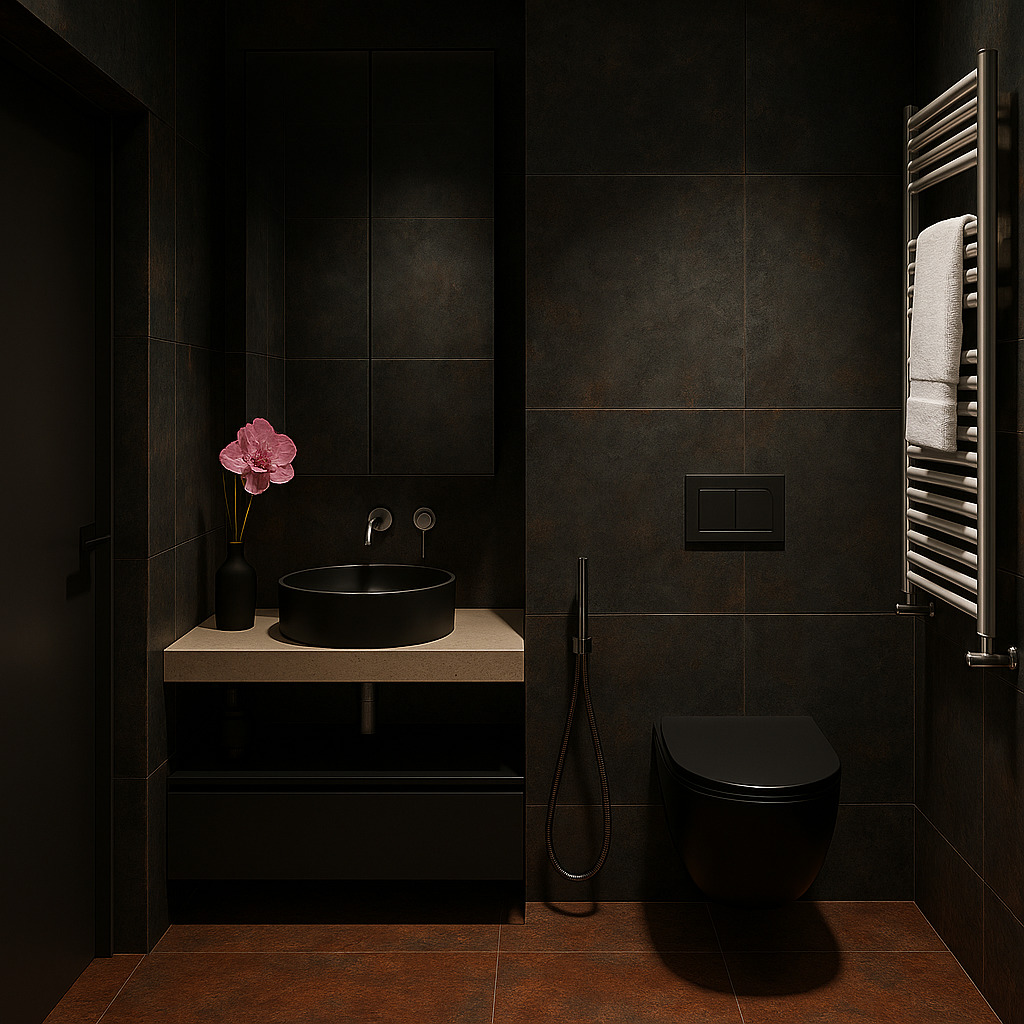
Wall-hung toilets represent the pinnacle of contemporary bathroom design. Mounted directly to a frame in the wall or partition, with no visible cistern or pedestal, these toilets appear to float above the floor.
Beyond their sophisticated appearance, wall-hung toilets offer practical advantages. Cleaning underneath becomes significantly easier – a major benefit for bathroom hygiene.
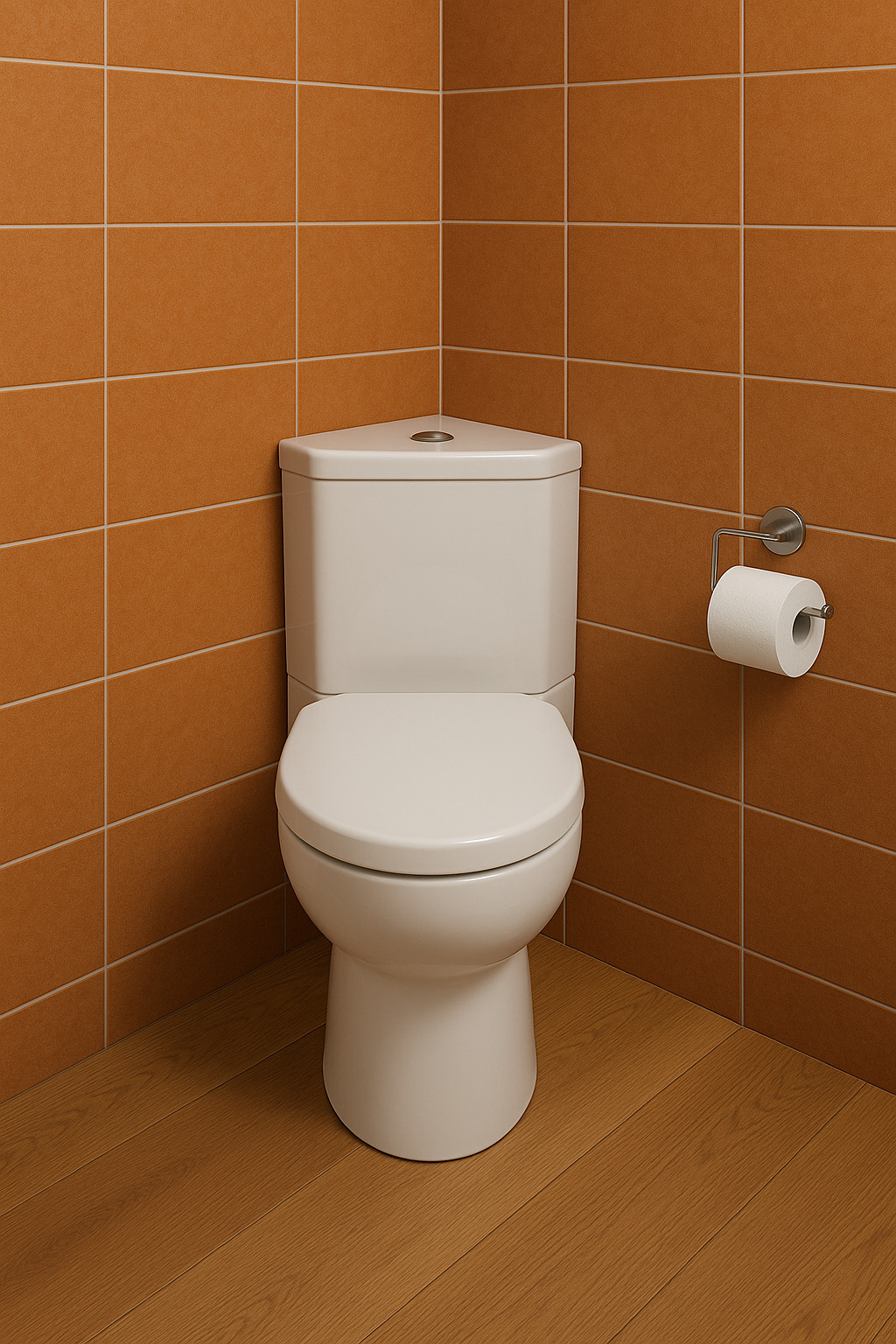
Corner toilets
When space is tight, consider a corner toilet. These specially designed units fit snugly into a bathroom corner, utilising often-wasted space. Corner toilets typically feature triangular cisterns that maximise space without compromising on performance.
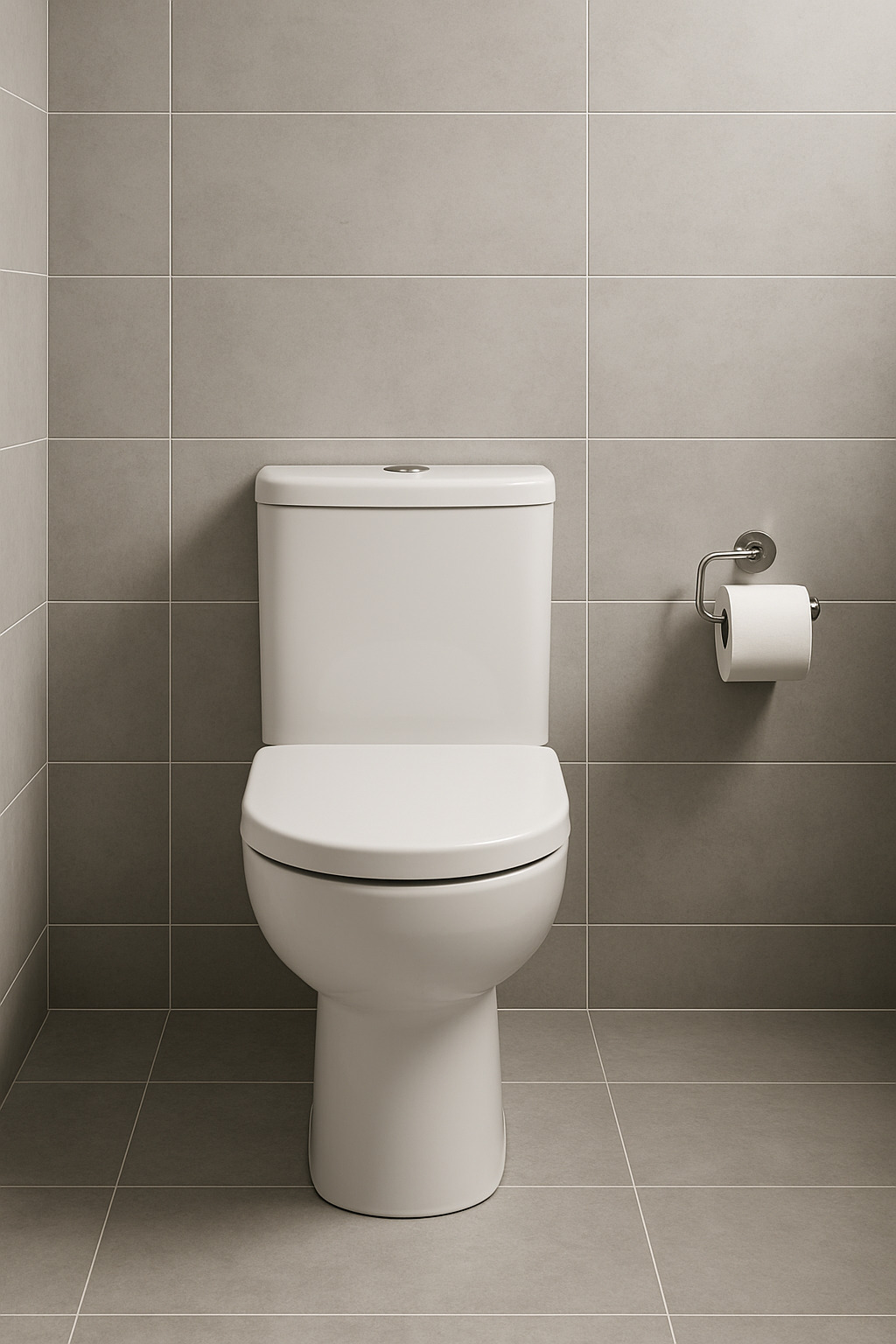
Close-Coupled Toilets
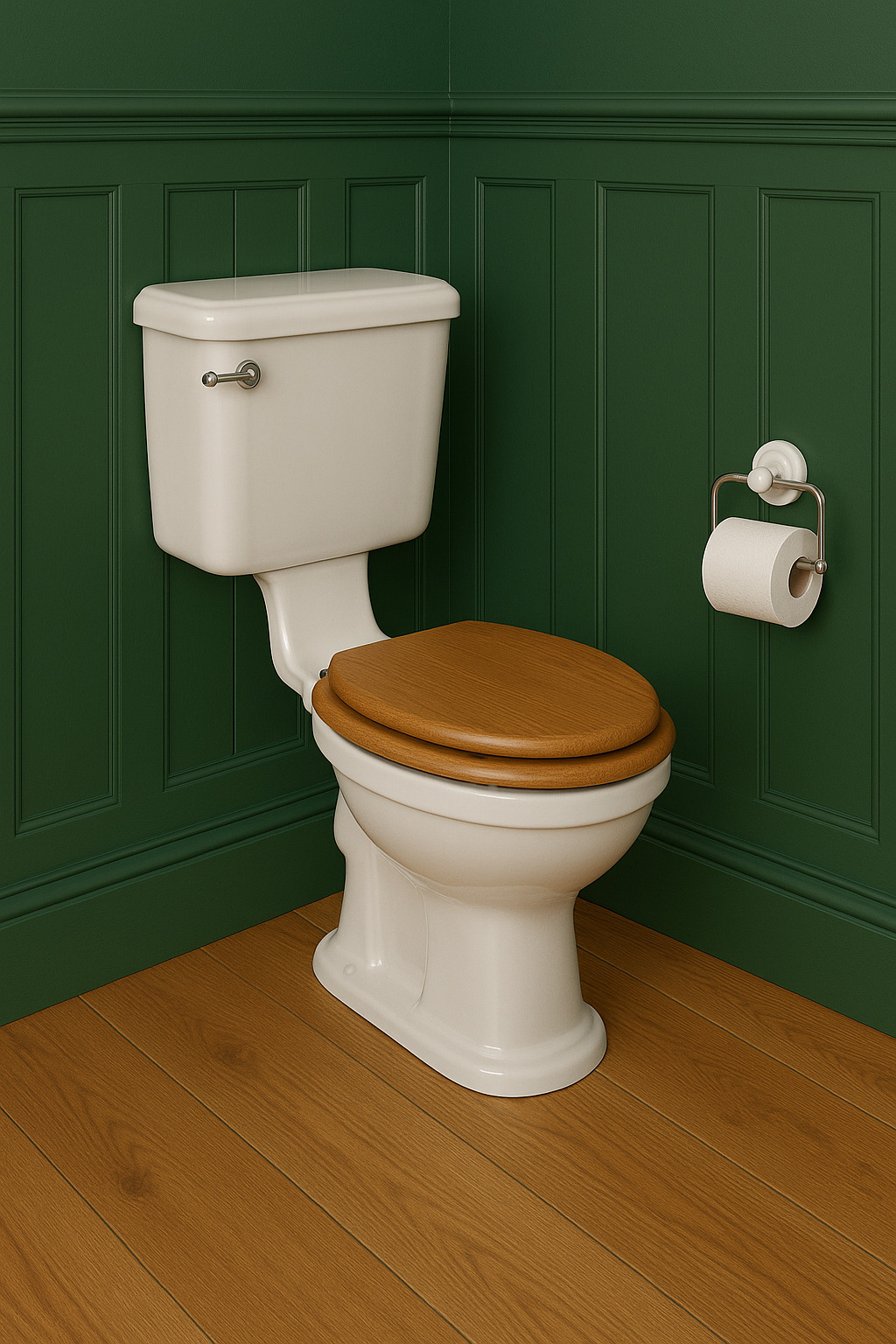
The close-coupled toilet remains the most popular choice for a UK bathroom. With the cistern directly attached to the pan, these toilets offer a clean, streamlined look that suits most bathroom styles. Their straightforward installation makes them budget-friendly while still providing reliable performance.
Close-coupled designs come in both traditional and contemporary styles, making them versatile for any interior design scheme.

High-level and low-level toilets
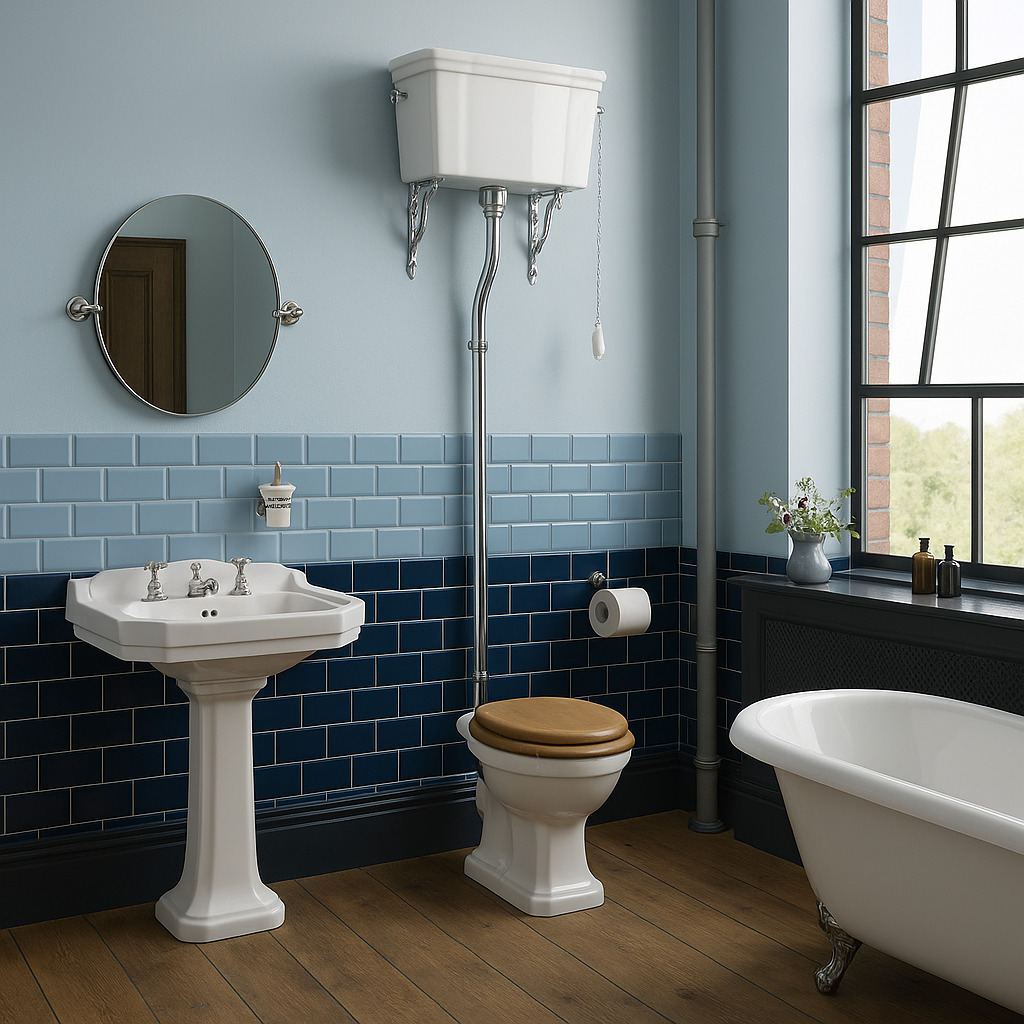
For period properties or traditional bathroom designs, high-level and low-level toilets add authentic character. High-level toilets feature cisterns mounted near the ceiling with a long flush pipe connecting to the pan, while low-level options position the cistern at mid-height with a shorter flush pipe.
Heritage-inspired designs from quality suppliers combine classic aesthetics with modern flushing technology.
Rimless toilets
Rimless toilets are very much in vogue. They eliminate the traditional rim where bacteria accumulate. Water circulates through specially designed channels, providing complete bowl coverage during flushing. Much easier to clean than a conventional WC. Here is a video of a model with a radial flush action.
Advantages:
- Superior hygiene with fewer hiding places for bacteria
- Easier cleaning with fewer hard-to-reach areas
- More efficient water distribution during flushing
Disadvantages:
- Generally higher price point
- Potential for splash during powerful flushes
You can read more in our article on rimless toilets.
Toilet dimensions
Standard vs compact toilets
Standard toilets typically project 65-80cm from the wall, but compact options can reduce this to 60cm or less. Compact toilets feature shorter projections without sacrificing comfort, making them ideal for smaller bathrooms or en-suites.
Cisterns
Cistern options and technology
Concealed cisterns
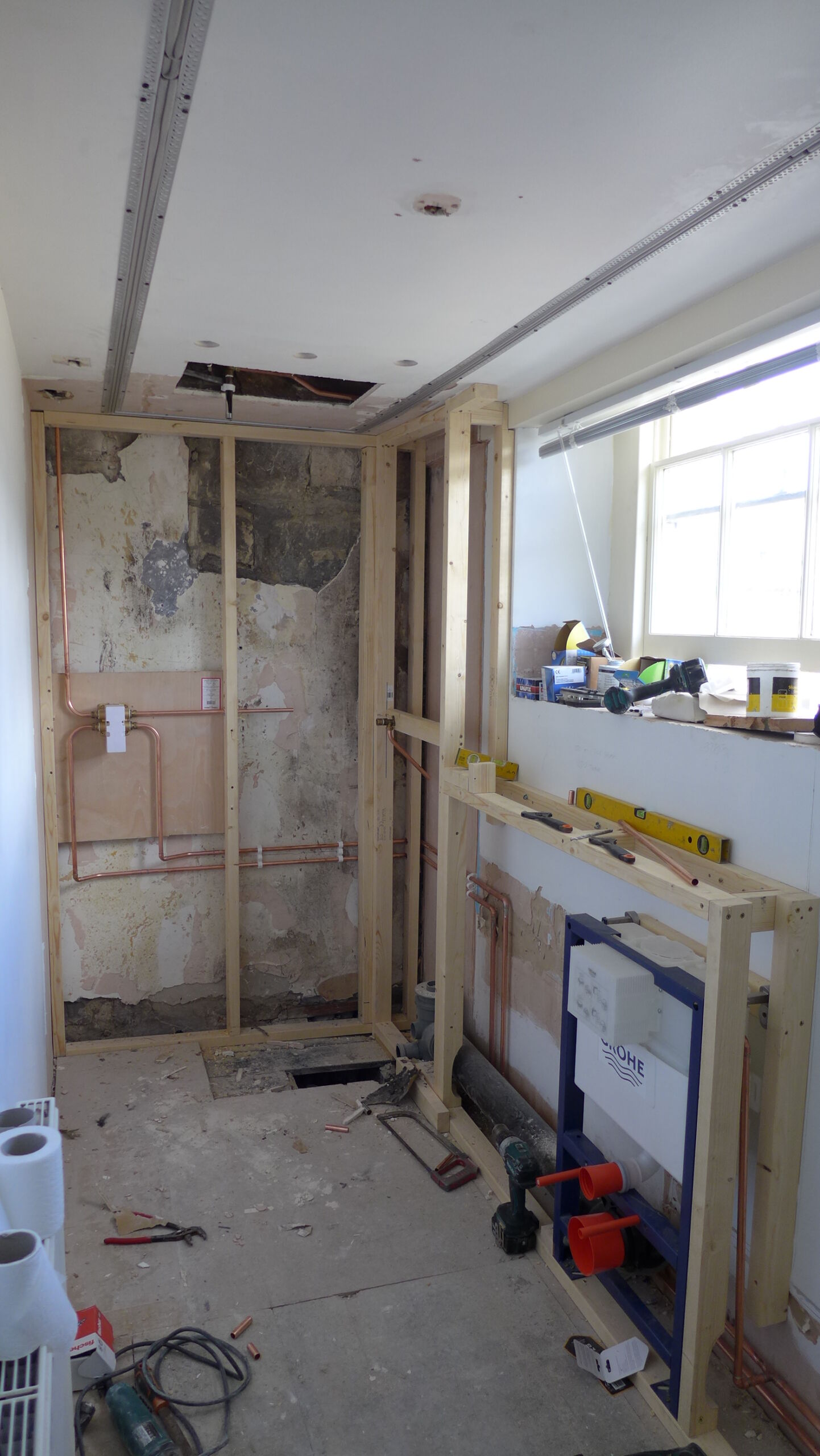
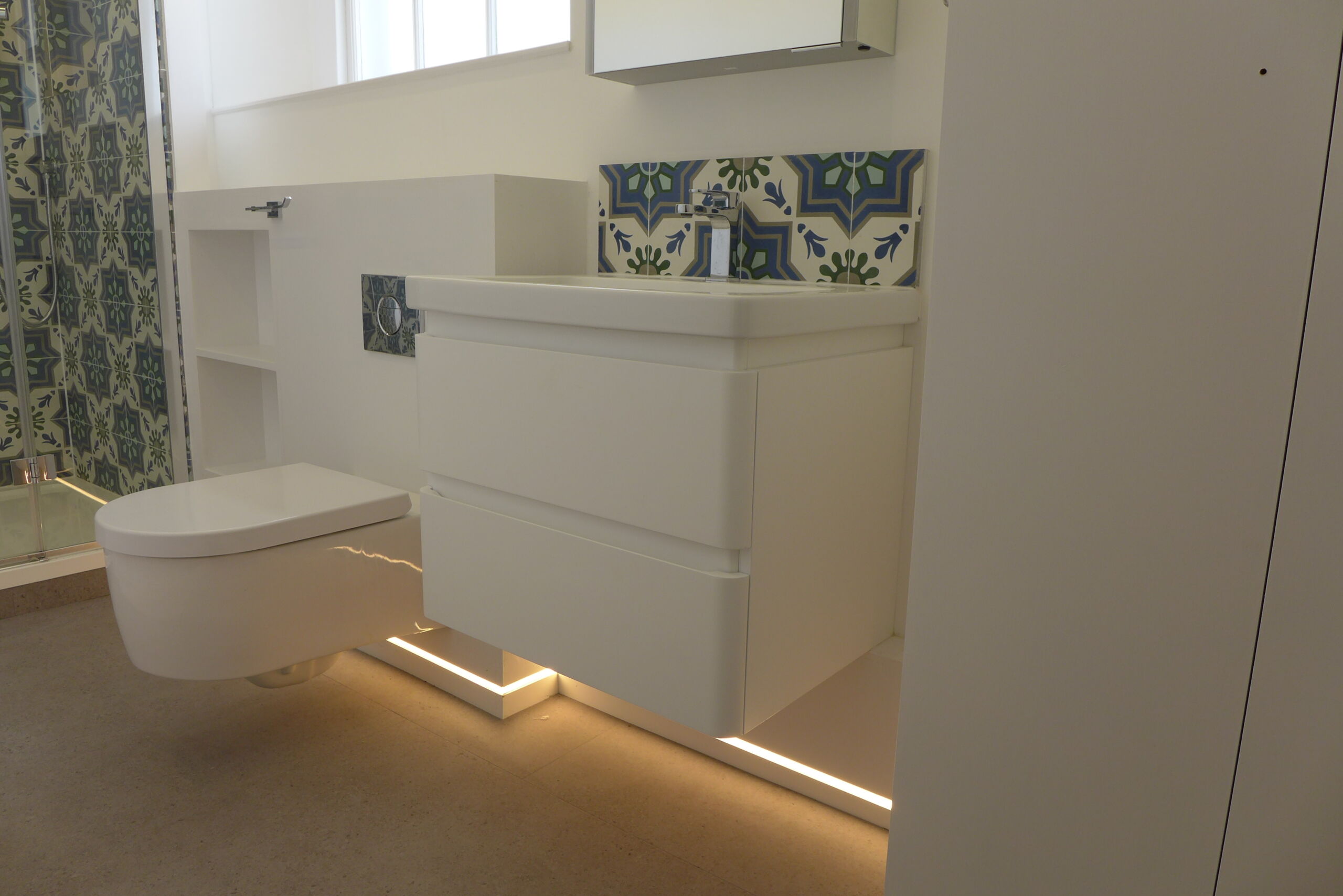
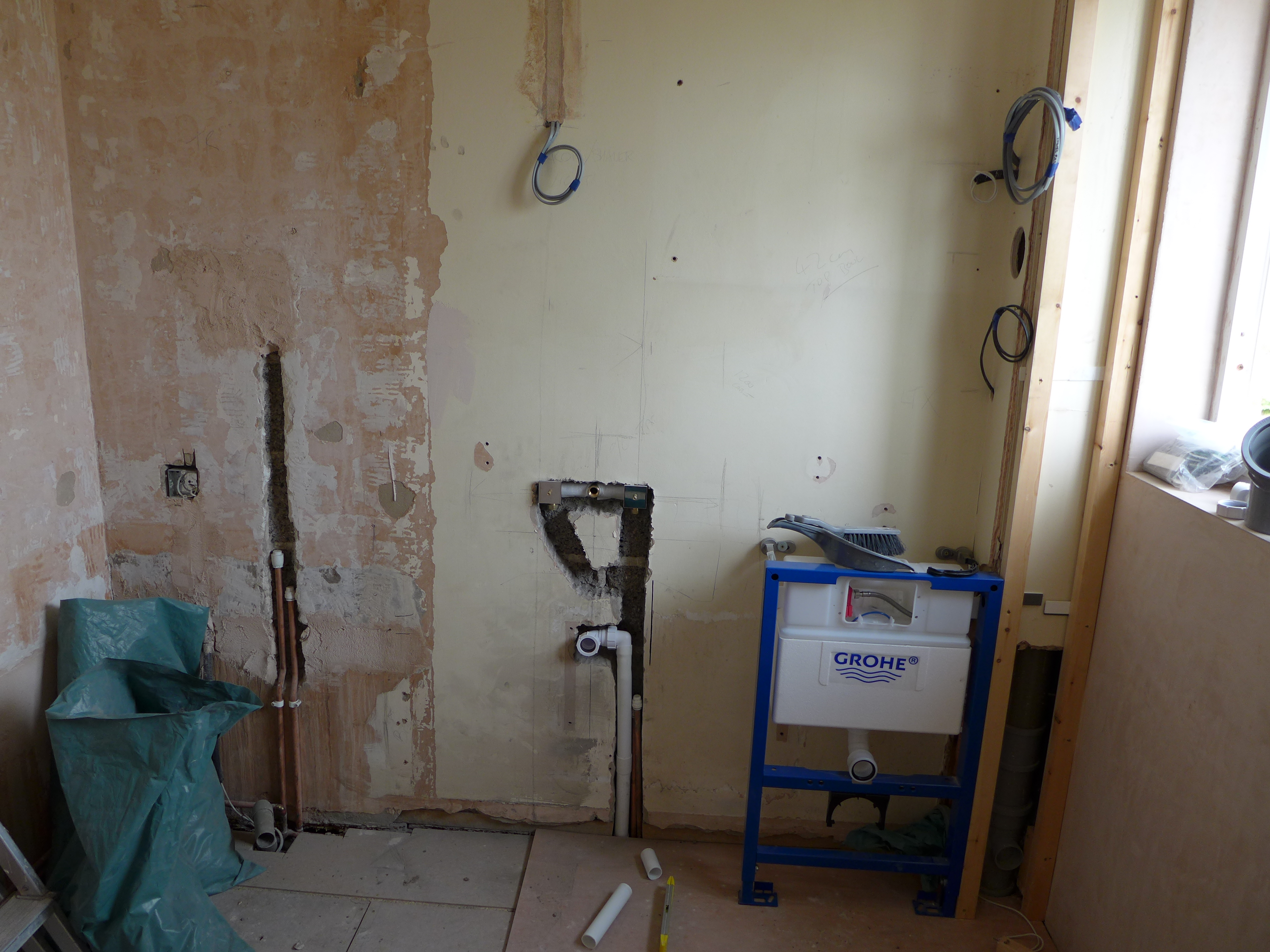
Concealed cisterns install behind walls or furniture, creating a cleaner bathroom aesthetic. For example, the photos above explain how to install a wall-hung pan. A steel frame is bolted to the wall and floor, and set into a partition to hide the soil pipe and supplies. The WC is then bolted to the frame. The partition also provides options for additional storage.
Concealed cisterns come in various depths:
- Standard depth (120mm+) for solid walls
- Slim-line options (80-120mm) for limited depth scenarios
- Ultra-slim designs (below 80mm) specifically engineered for stud walls
Dual-flush technology
Most contemporary toilets incorporate dual-flush mechanisms, offering water-saving options typically between 3-6 litres. This eco-friendly technology helps reduce water consumption while maintaining effective flushing performance.
Macerators: solutions for challenging plumbing
Macerator toilets enable toilet installation in locations where conventional plumbing proves difficult. These specialised units contain powerful motors that grind waste and pump it through narrow pipes to the main drainage system.
Macerators prove invaluable when:
- Adding bathrooms in basements
- Converting spaces distant from main drainage
- Installing facilities under existing drain levels
While slightly noisier than standard toilets, modern macerators from Saniflo have dramatically improved in terms of sound insulation and reliability.
Toilet styling
Style considerations
Traditional toilet designs
Traditional toilets emphasise ornate detailing, decorative cisterns, and classic materials. Victorian and Edwardian-inspired designs often feature:
- Ceramic lever handles
- Decorative brackets
- Wooden toilet seats
- Heritage-style flush pipes
Contemporary toilet designs
Modern toilets focus on clean lines, minimalist aesthetics, and innovative materials:
- Rimless technology
- Hidden fixings
- Soft-close mechanisms
- Angular or curved profiles depending on bathroom theme
Toilet seats and comfort features
Seat Materials and Design
Toilet seats come in various materials affecting both durability and comfort:
- Thermoset plastic offers durability and resistance to chemicals
- Wood provides natural warmth and traditional appeal
- Moulded resin creates designer looks with embedded decorative elements
Traditional toilet seats are usually hinged whereas most modern toilet seats have a soft close mechanism
Seat heights
Standard UK toilet seat heights range between 40-43cm. However, comfort-height toilets (46-48cm) have gained popularity for providing easier access, particularly beneficial for elderly users or those with mobility issues.

Flush controls and mechanisms
Flush plates
For concealed cisterns, flush plates provide the visible control element. These come in various designs:
- Mechanical plates operate through direct physical pressure
- Pneumatic systems use air pressure for remote activation
- Electronic options offer touchless operation for ultimate hygiene
Materials range from plastic and chrome to brushed brass and matte black, allowing coordination with bathroom brassware.
Traditional lever mechanisms
Heritage-style toilets typically feature lever handles mounted on the cistern. These classic mechanisms now incorporate modern dual-flush technology, balancing period aesthetics with contemporary performance.
Installing a WC
In laying out the floor plan for a bathroom renovation, most designs keep the WC with reasonable access to the original soil pipe outlet through the wall. This keeps down the cost. It does not need to be precisely in the same location because you can usually reach the original outlet using an internal soil pipe neatly concealed in a partition as described above.
Most professional bathroom fitters recommend maintaining access panels for concealed systems to enable future servicing, although all maintenance of the internal workings can usually be carried out behind the flush plate.

Toilet accessories
Don’t forget to keep useful accessories within reach, or hidden from view:
- Toilet brush holders (wall-mounted options save floor space)
- Toilet roll holders (recessed designs create a streamlined look)
- Spare roll storage (built-in cabinets offer discreet storage)
- Hygiene spray systems (increasingly popular alternative to traditional paper)
Selecting the perfect toilet balances practical requirements with design aesthetics. Whether prioritising space-saving solutions for compact bathrooms or statement pieces for luxury designs, today’s market offers unprecedented choice.
At Style Within, we offer guidance tailored to your specific requirements, integrating seamlessly with your bathroom vision.
If you want to discuss ideas with us, please get in touch and we’ll help you choose the best toilet solutions for your space, lifestyle, and budget.
