
If you are planning to decorate your home, but aren’t sure how much it might cost, this article shows real figures from our projects since 2004. The prices have been adjusted to 2023 equivalents using inflation estimates and comparative data from more recent renovations.
We show the cost of painting walls and ceilings, skirtings and doors, wallpapering and tiling, as well as exterior work. You will see budgets from £350 for a cloakroom, to £4000 for a Victorian hall with stairs and landings.
Decoration Costs
First, we run through the factors that affect the price, including VAT. Armed with this knowledge, you can specify precisely what you want and estimate the likely cost.
Choosing a decorator
Costs vary significantly between decorators. This is particularly true when comparing larger contractors with self-employed individuals. VAT aside, bigger companies carry larger overheads. Perversely, many larger companies also recruit self-employed decorators, adding further profit on top of the basic price.
A self-employed decorator will be cheaper and unlikely to be VAT-registered. But you won’t save all the 20% VAT, because they know that they can still undercut a VAT-registered contractor.
How to specify home decoration
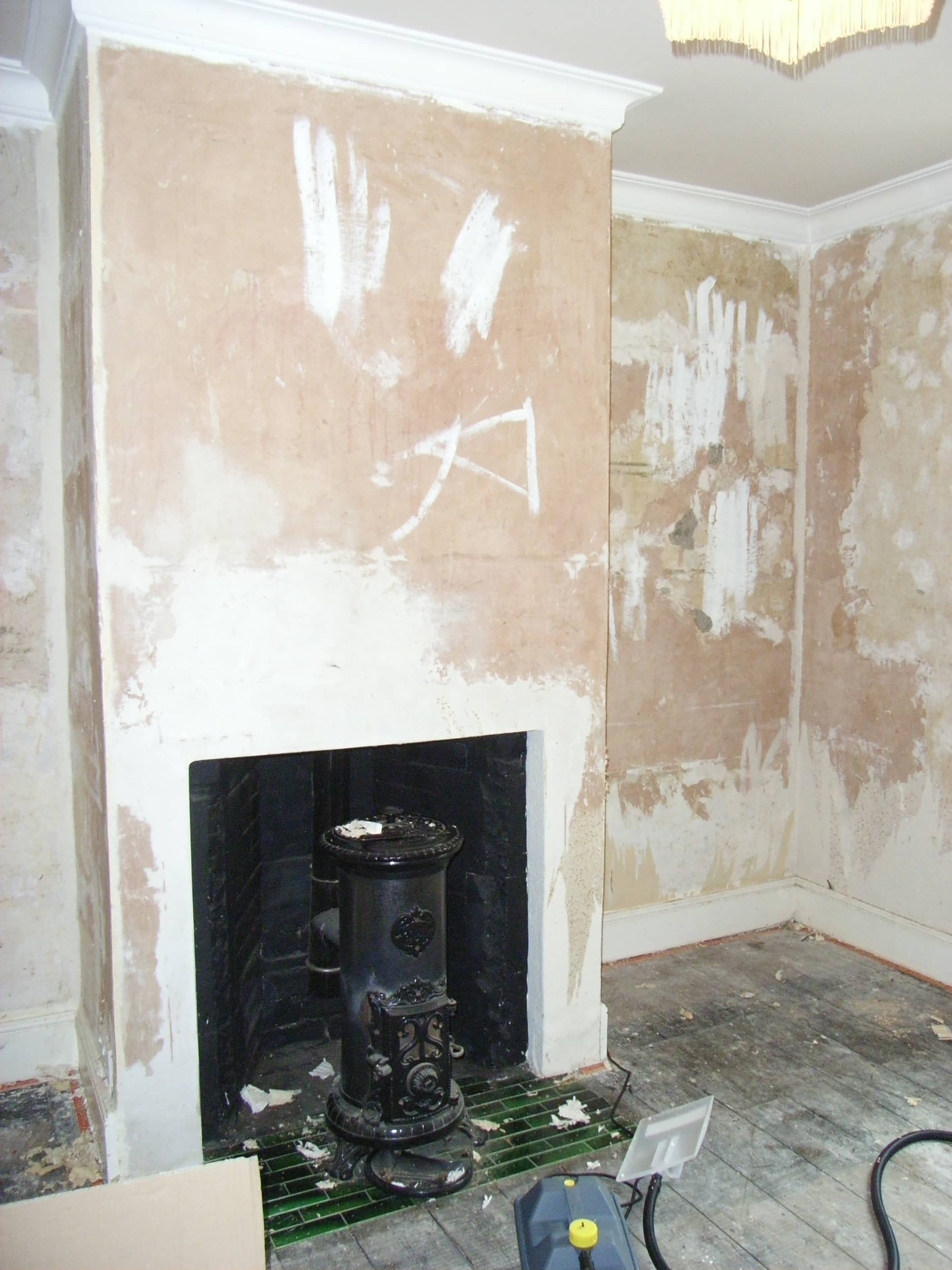


You could do much of the work yourself and find the cost of materials online, but let’s assume you plan to employ a decorator. You need to specify in writing what the decorator will do, particularly if comparing quotations. Otherwise, one decorator might quote for two coats, whilst another will price for three.
Think about everything that needs decorating, including radiators and pipes. Will the doors be painted on one side or both? What about the architraves, skirtings and window frames? Here is an example of how to write a decorator’s specification:
General:
— Perform all decoration in accordance with best practice.
— Prepare walls and joinery thoroughly. Fill with appropriate filler, rub down to remove spatter, and wipe clean and dry.
— Ensure that no traces of new paint are left on hinges, sockets, switches, or other items.
— Ensure that all nicks around sockets and switches are filled and redecorated.
Room 1:
— Apply mist coat** to all new plaster and 2 coats of Brand/Code matt emulsion to all walls. Ceiling to be trade white matt emulsion. Cornice to be Brand/Code matt emulsion.
— Prepare radiator and apply primer and 2 coats of Brand/Code eggshell.
— Apply one coat of primer (to new or exposed timber), 1 coat of undercoat and 2 topcoats of Brand/Code eggshell to all doors, door linings, architraves, window frames, cills, and other joinery. Door and architrave to be painted on both sides; other joinery to be painted on room-facing side only.
** a mist coat is watered-down emulsion applied to fresh plaster which soaks in intentionally. It effectively acts as a primer for better adhesion of subsequent coats.

Preparation
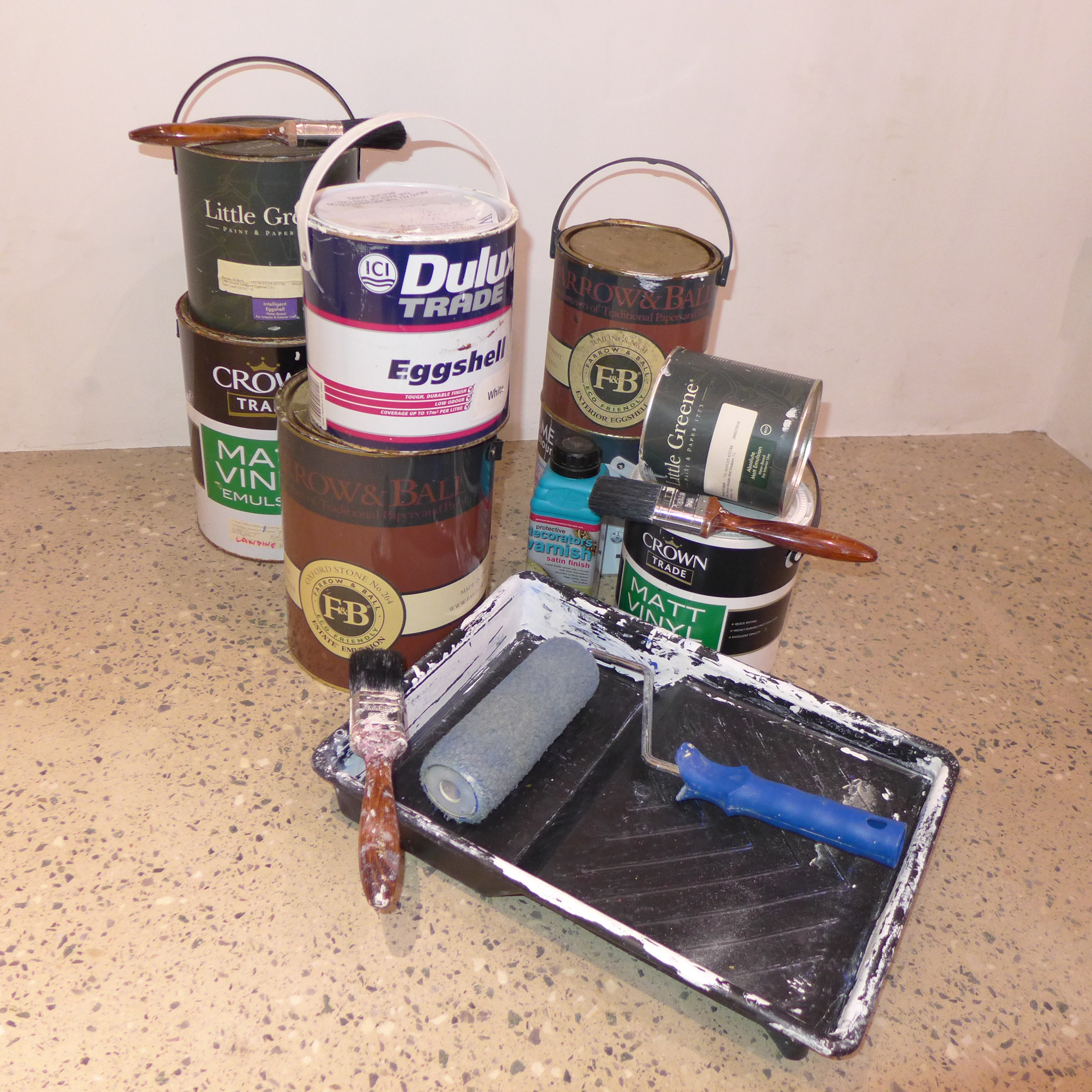
You’ve written your specification, and engaged a decorator. He or she will use their own tools and help you to calculate paint or wallpaper quantities. But if you decide to supply materials, you will be responsible for delivering them to site. It is important to be clear who will supply what, including wallpaper paste, tile adhesive and grout.
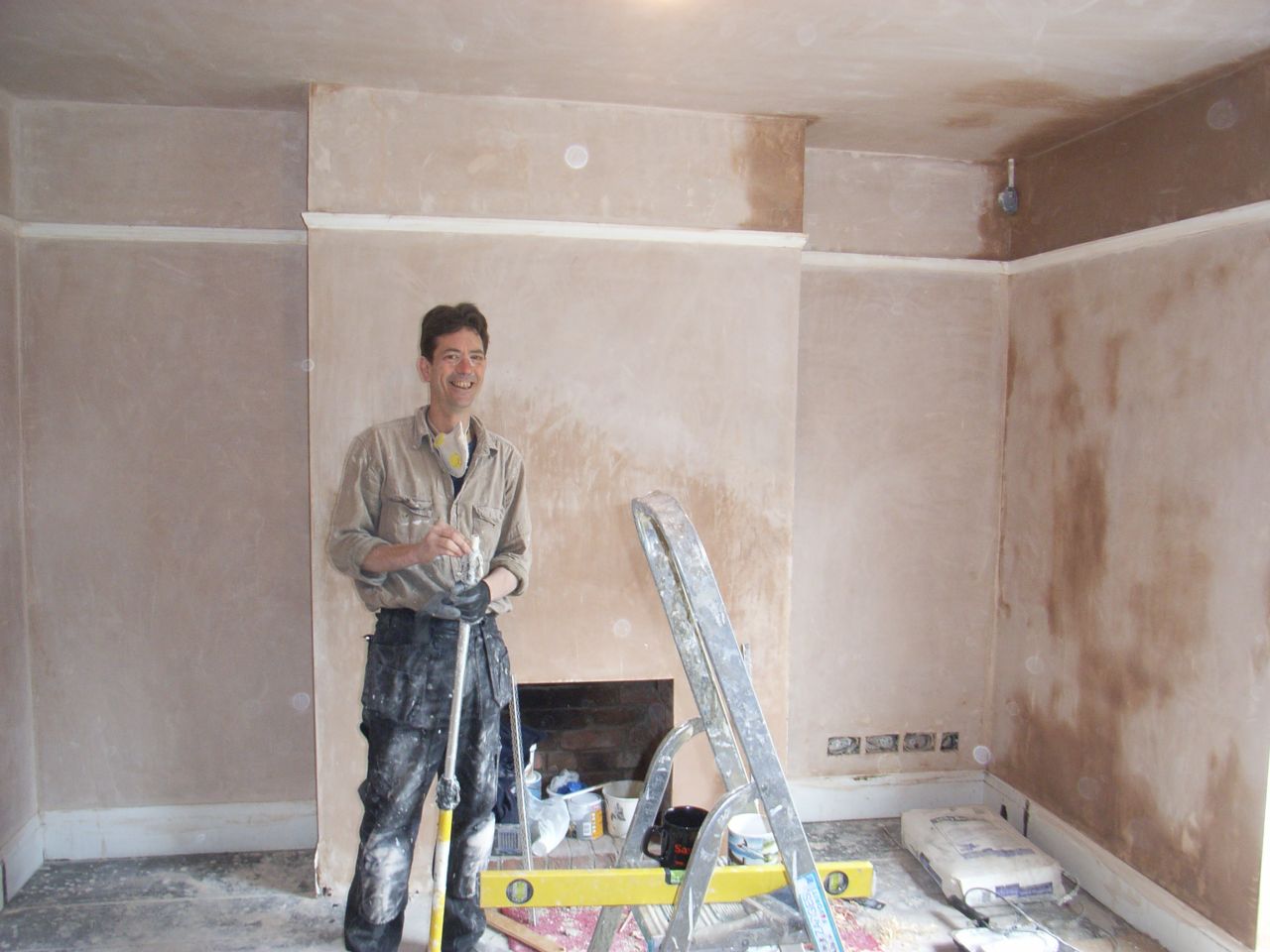
Professionals will be glad to share ideas – if you have any concerns, ask their advice. It is important to develop a good working relationship, and they may actually save you some money.
How a decorator prices the job
Materials aside, a decorator’s price is essentially based on the time to do the job, adding any special requirements such as a tower or scaffold.
Time is dependent on the amount of preparation, as well as the fancy part – applying paint or wallpaper. The contractor may include an additional price to face-fill holes, remove loose plaster and even re-skim. If you choose a pale colour over a dark wall, remember that they will need more coats to ensure good coverage.
Other factors affecting the price
- If you are chasing walls for electrical cables, remember the cost of making good. In a recent project, simply filling chases in 8 rooms added £1200 to the decoration price.
- Preparation is time-consuming. Unless you’ve done this yourself, you may not appreciate the hours of filling, rubbing down and wiping. Most of the example projects were for older properties in a poor state; preparation can double the price of simply painting freshly plastered, flat walls.
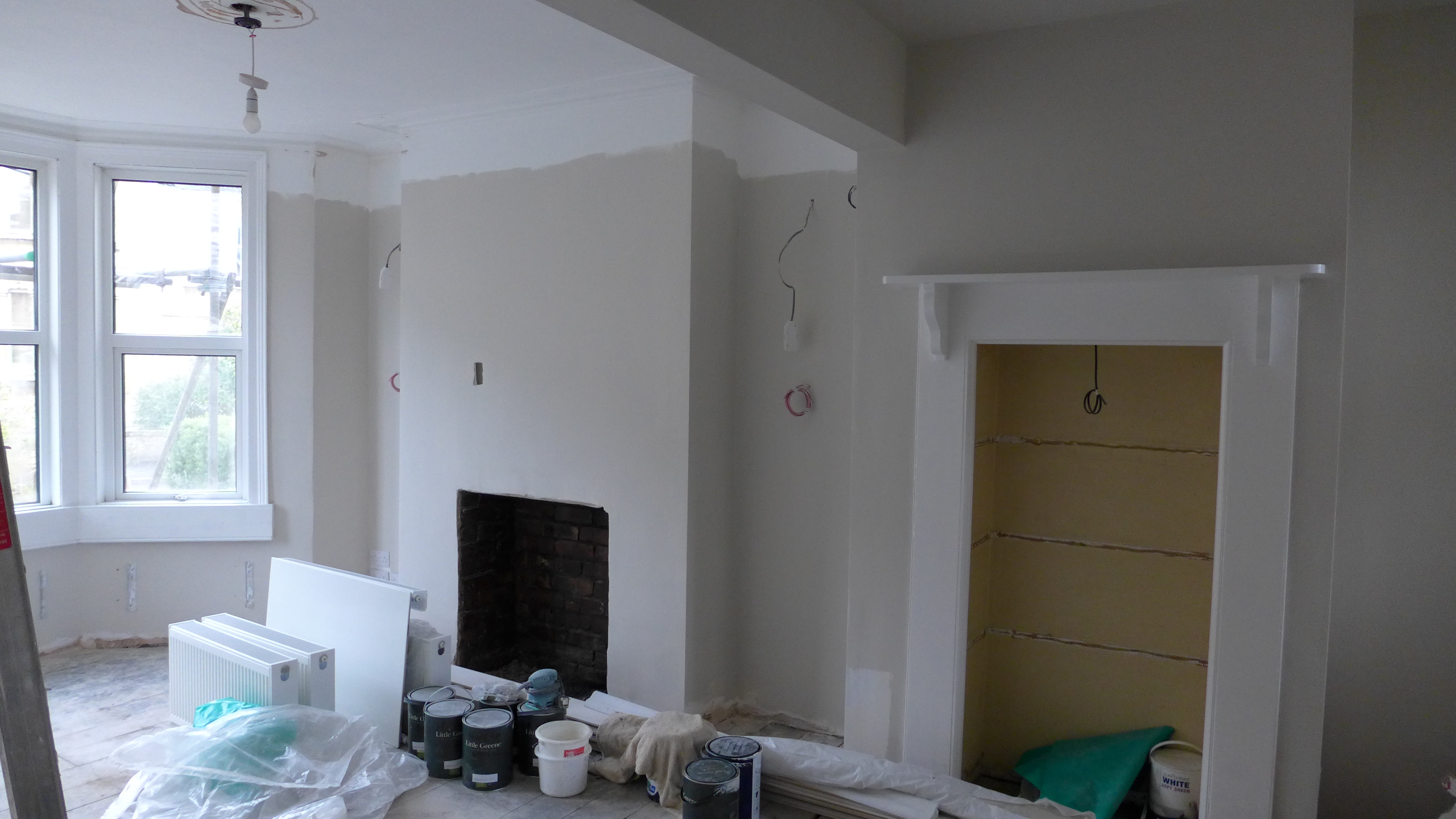
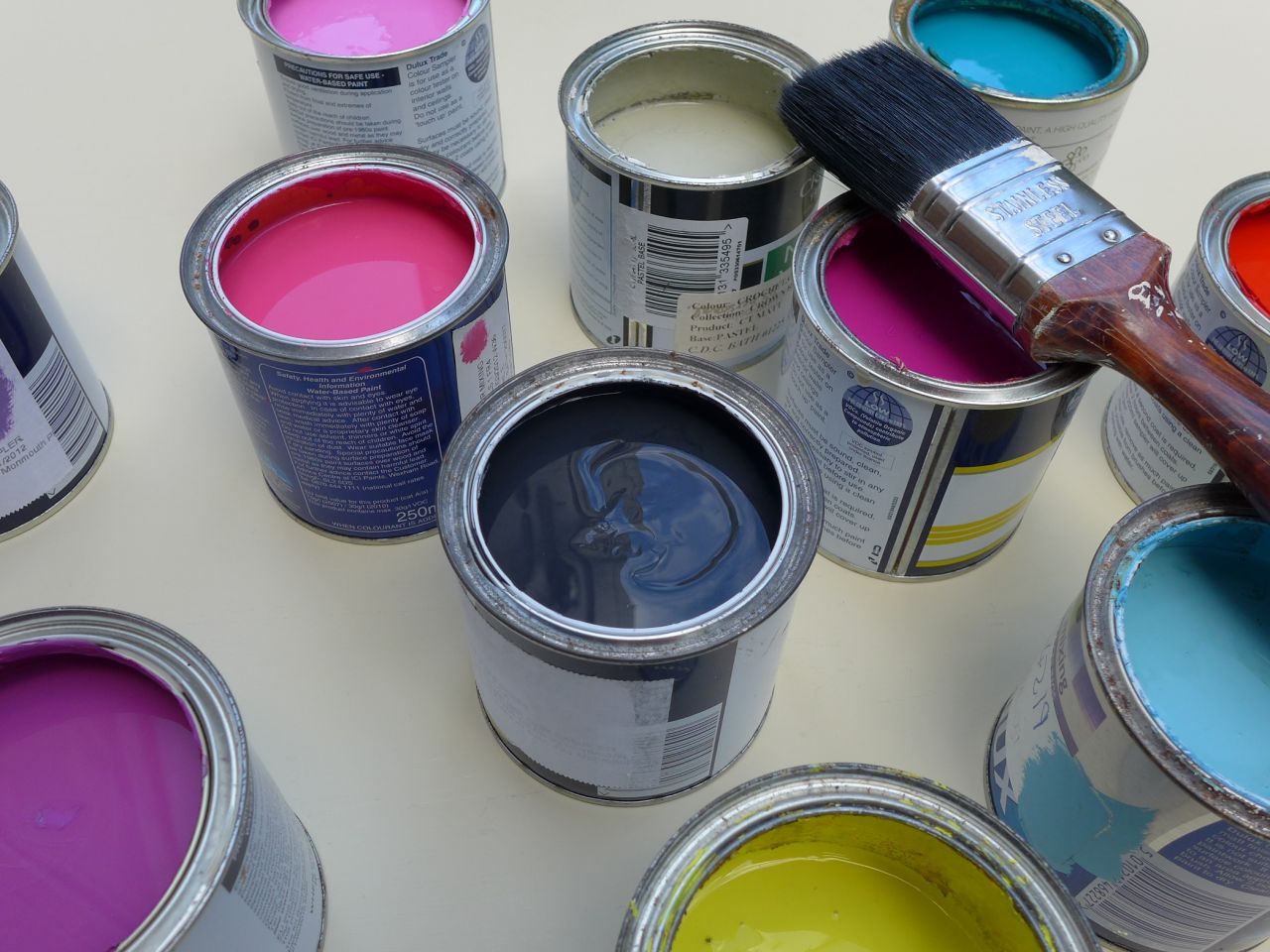
- The price of materials is significant. A 5l tin of fashionable paint covers around 50-60 m2; a basic UK reception room of 5m x 4m x 2.5m would require 2 x 5litre tins at around £95 each – so £190 just for two top coats! By comparison, a regular branded paint will cost around £110. Similarly, eggshell woodwork paint covers 16m2 per litre and a 1 litre tin of fashionable paint can cost upwards of £35. A scanned colour-matched paint might be more cost-effective


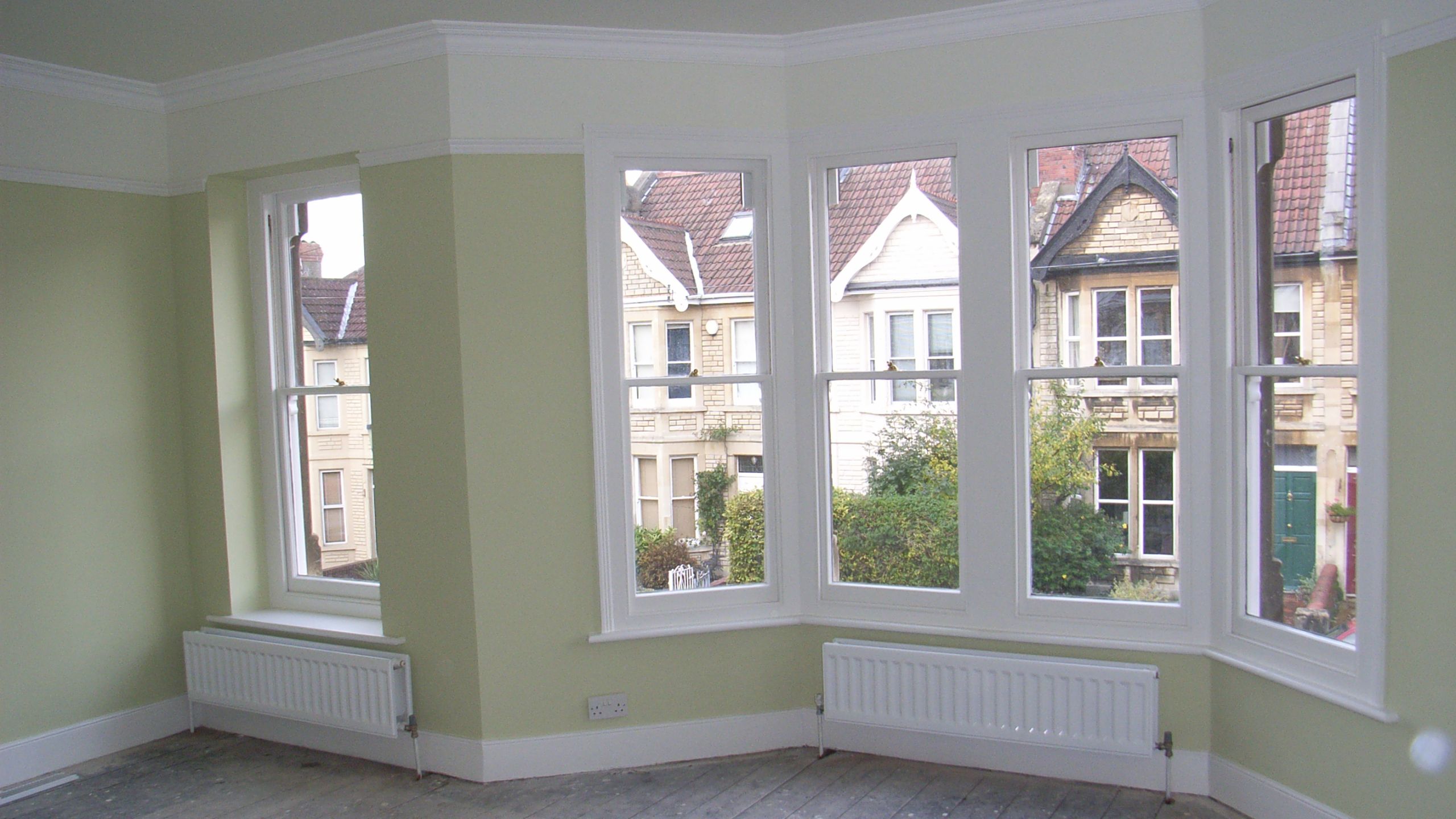
Living room above, requiring some face-filling, emulsion to all walls and ceiling, and all woodwork including sash windows.
Price including materials: £1350 + VAT.
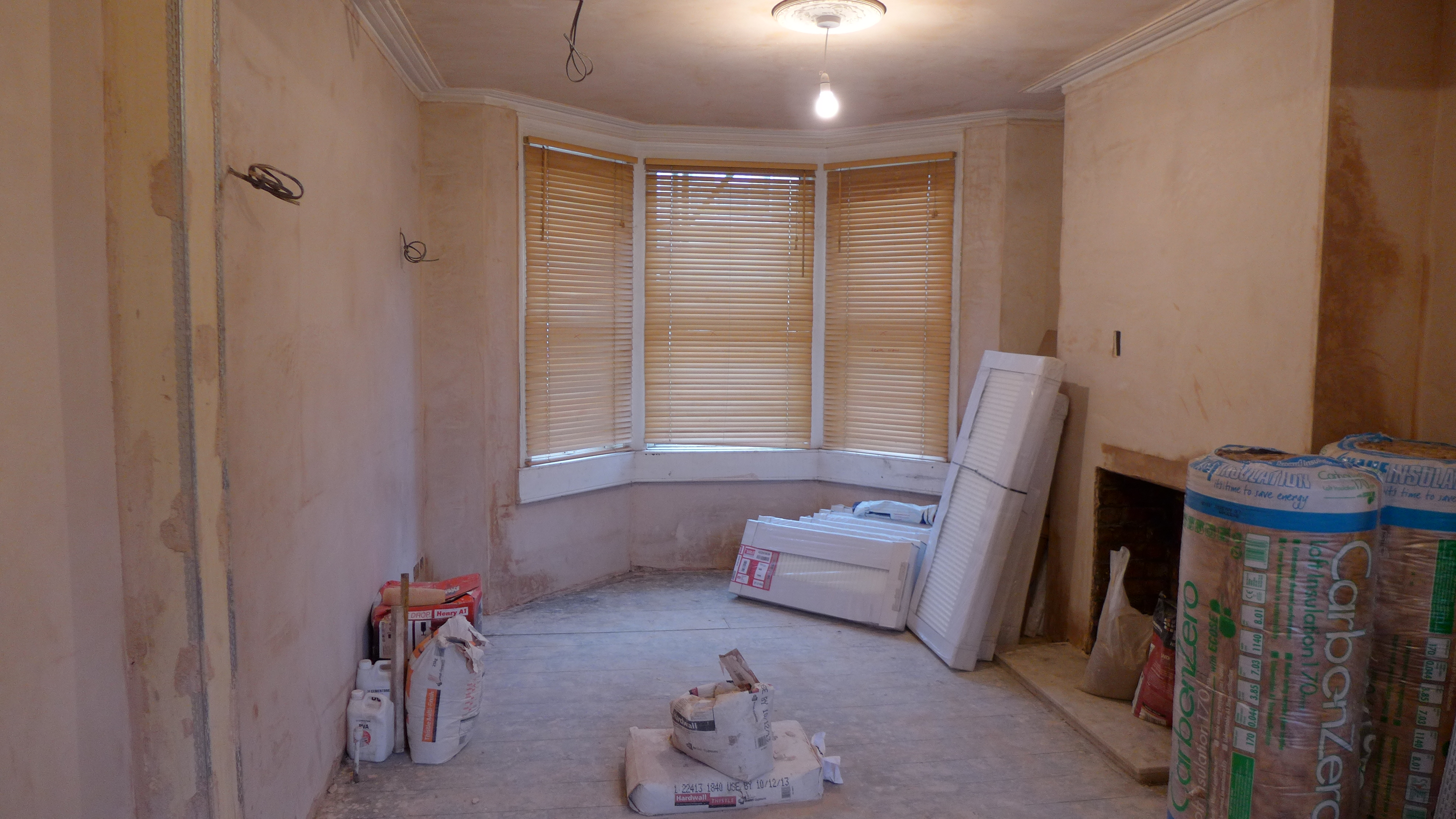
Living room above – requiring some face-filling, emulsion to all walls and ceiling, and all woodwork, not windows (as were uPVC).
Price including materials: £1200 + VAT.
Dining room above: walls, ceiling, and woodwork including door and sash window.
Price including materials: £980 + VAT.
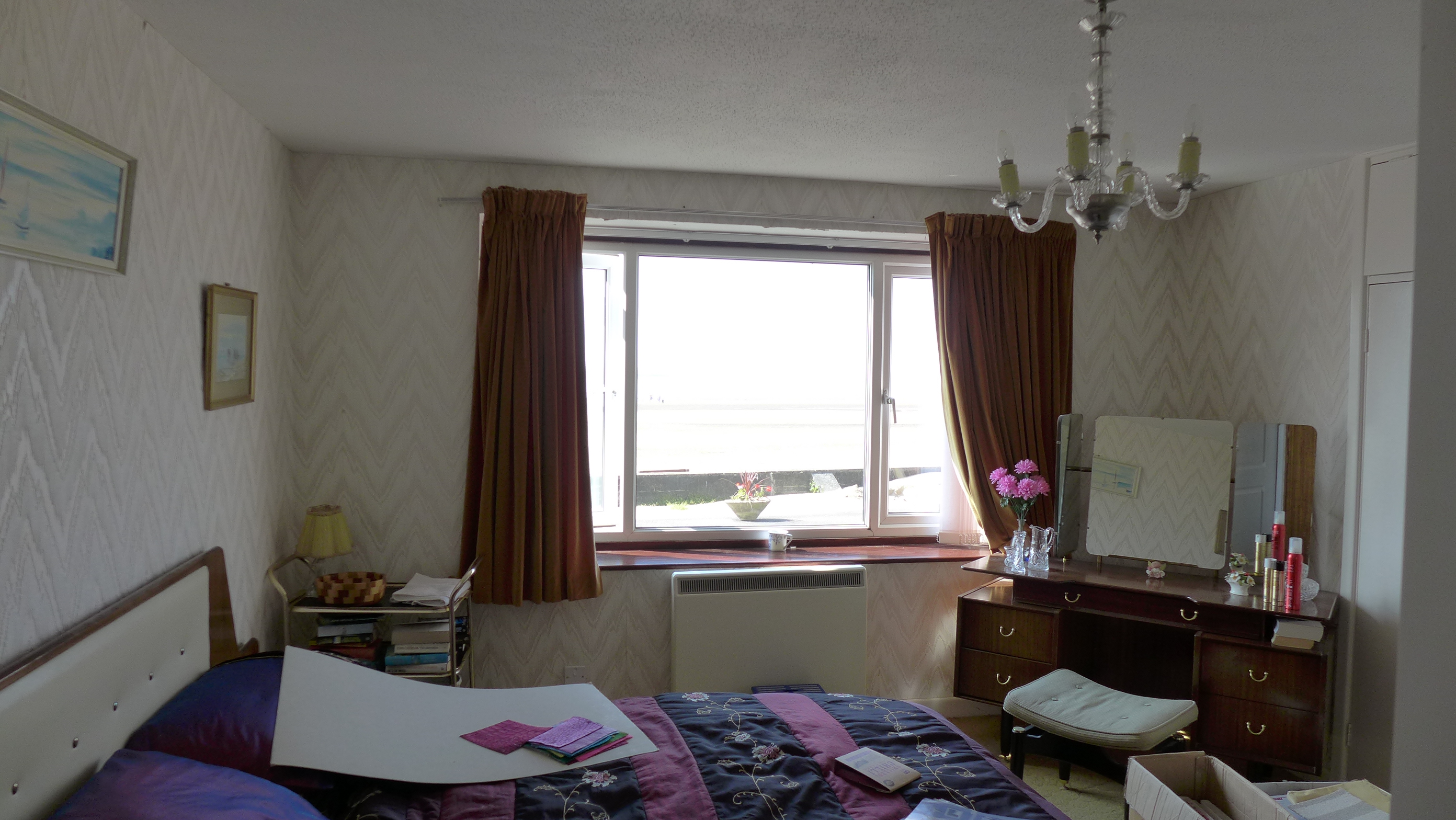
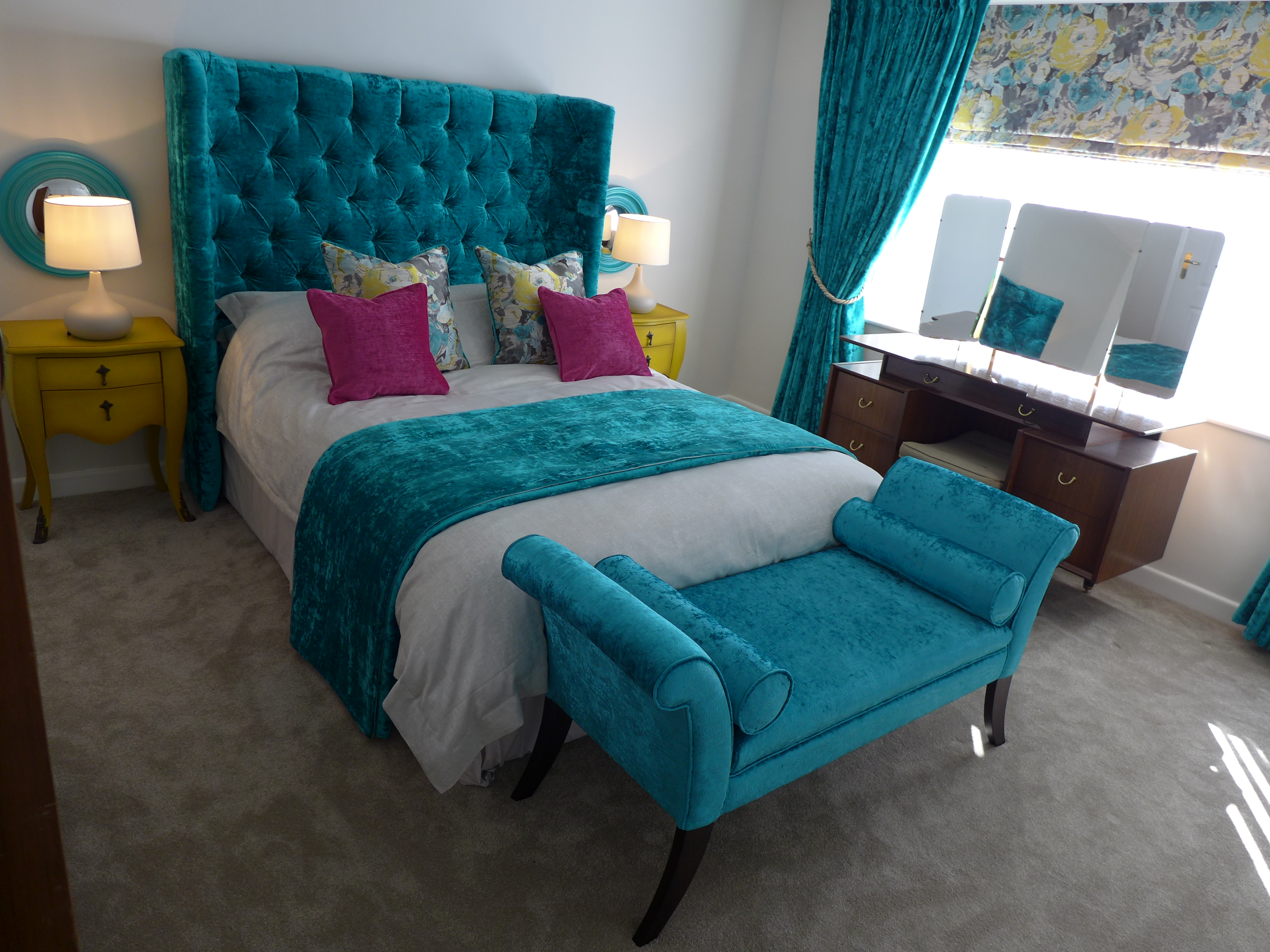
Bedroom stripped and the walls re-lined. The decorator applied emulsion to all walls and ceiling and painted built in wardrobes.
Price including materials: £1400 + VAT
Cost to decorate a bathroom

Guideline prices for painting walls and ceilings (not tiling) for newly plastered spaces, plus materials:
Small bathroom – £350 – £450 + VAT
Medium bathroom – £800 + VAT
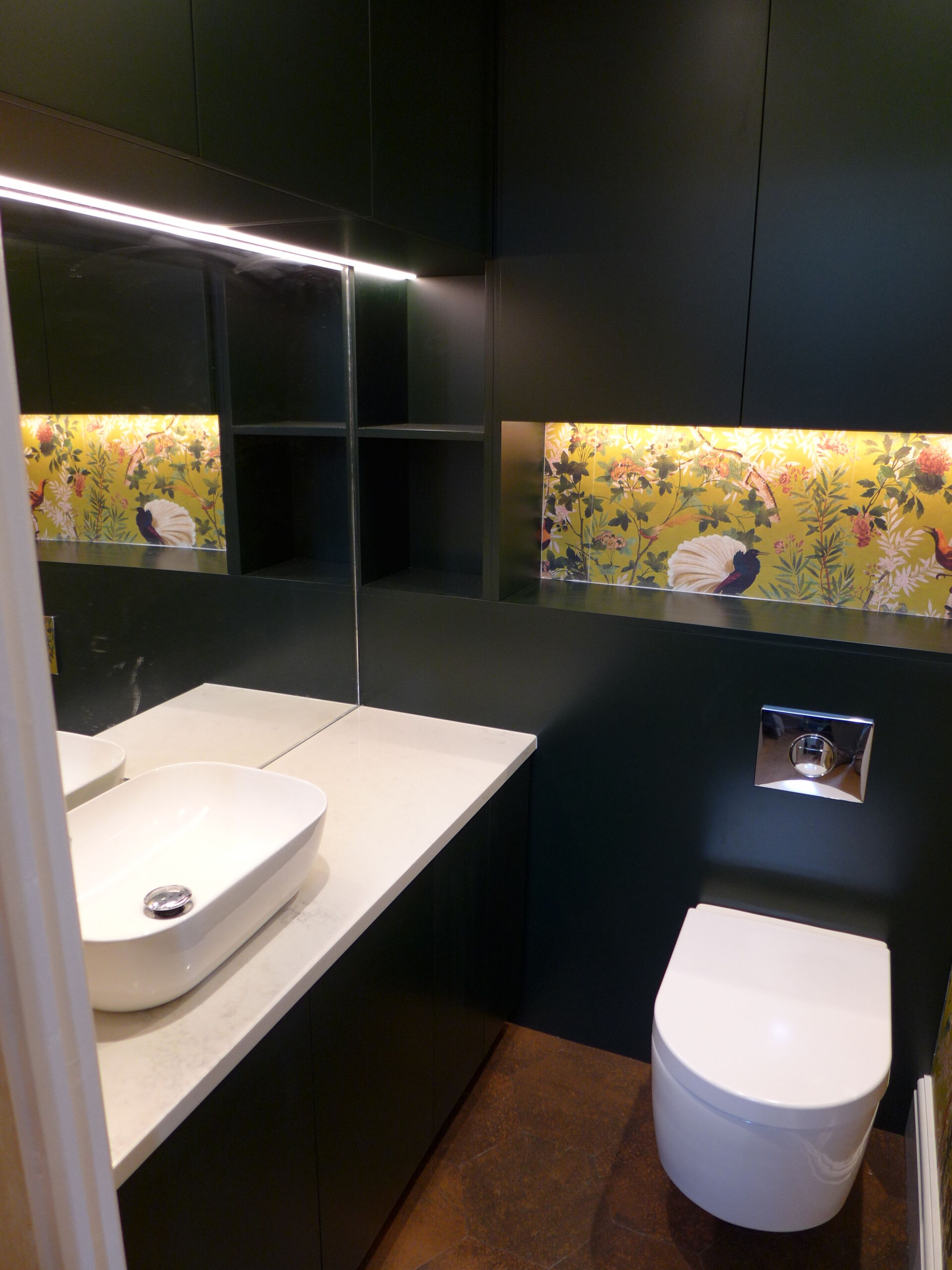
Cloakroom – £350 + VAT
Cost to decorate a kitchen
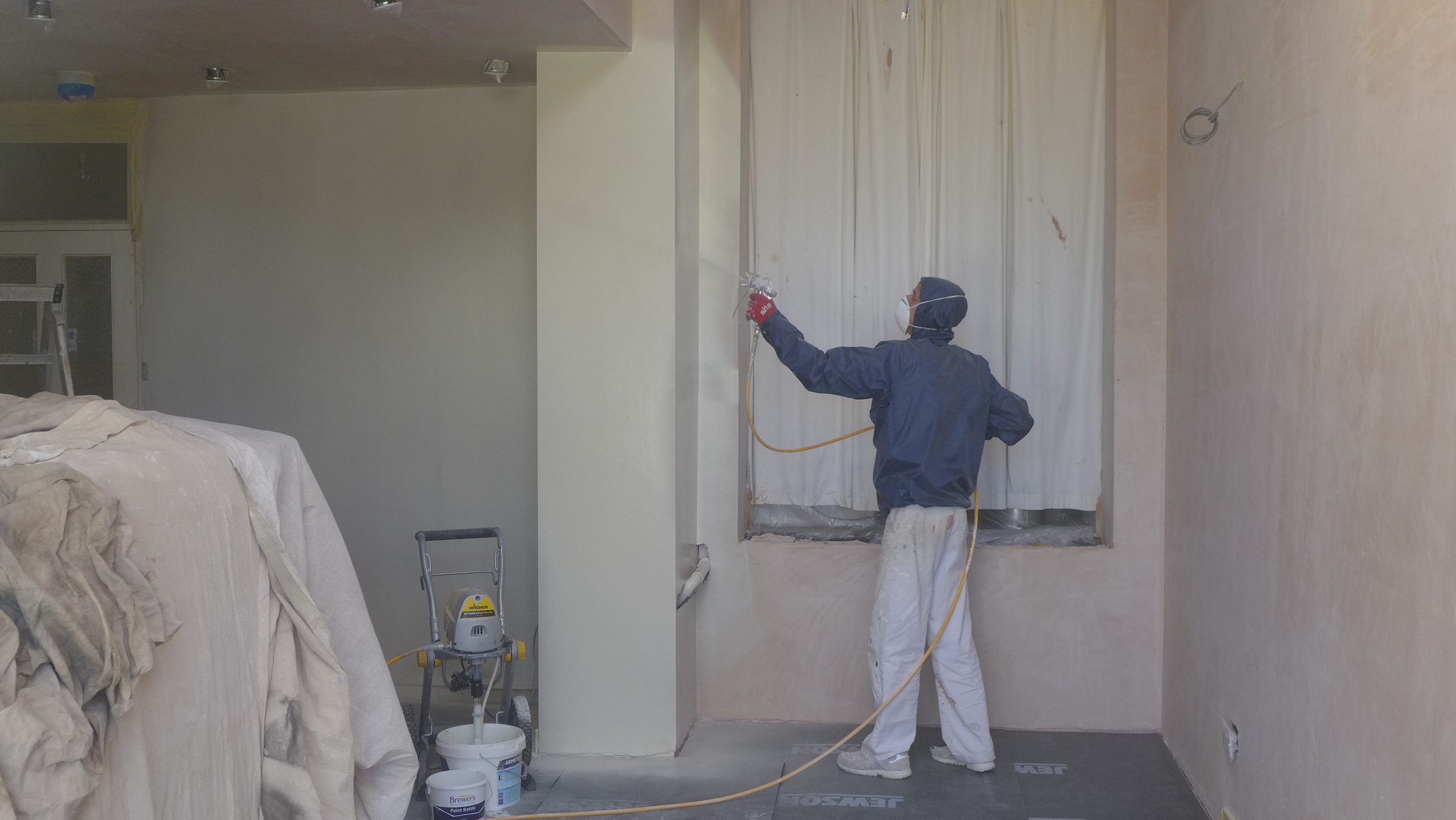
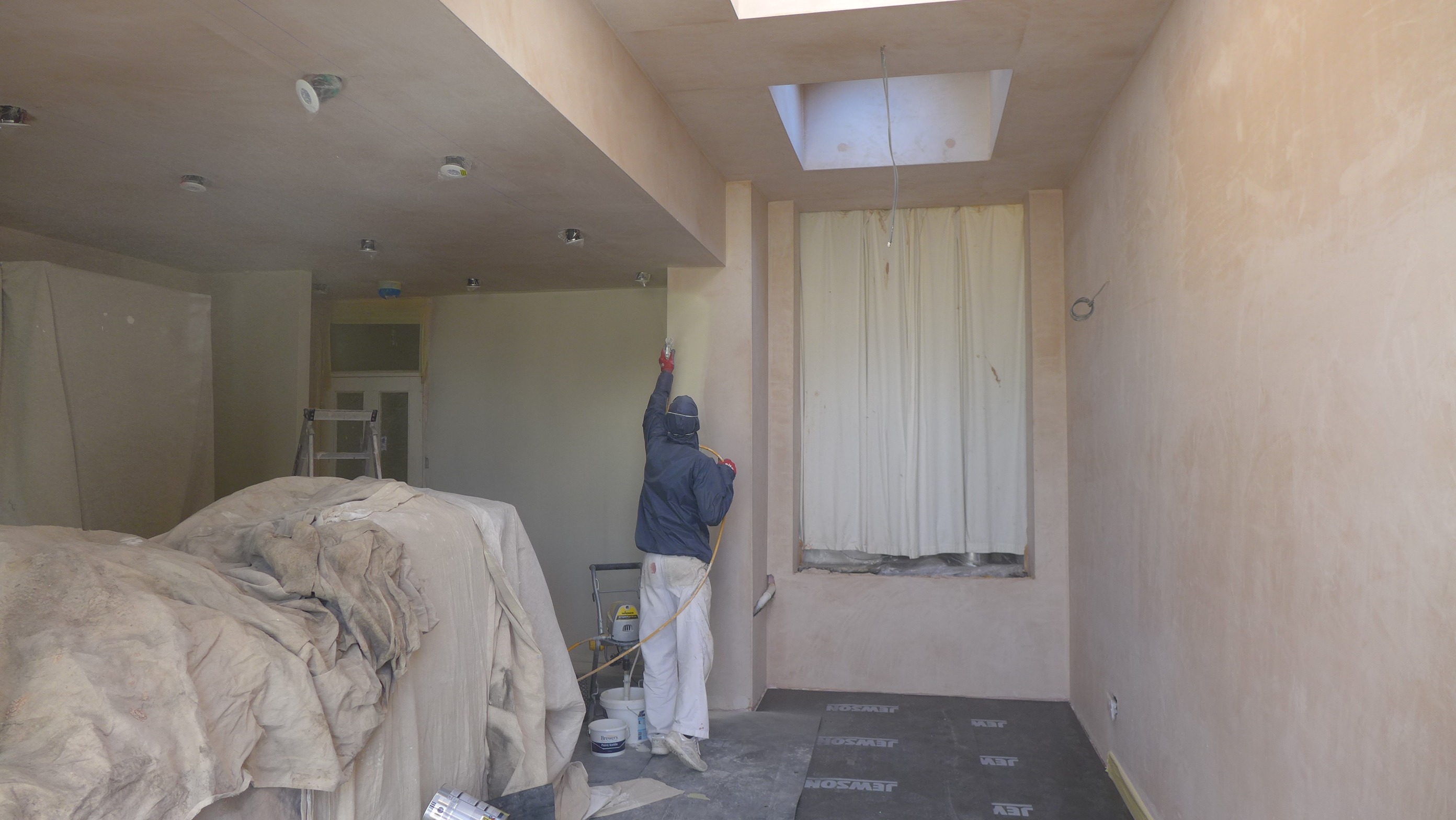
For this kitchen-diner project, the decorator sprayed the mist coat and first coats onto the walls and ceilings saving time and money. He applied the top coat with a roller.
Price including materials: £1350 + VAT
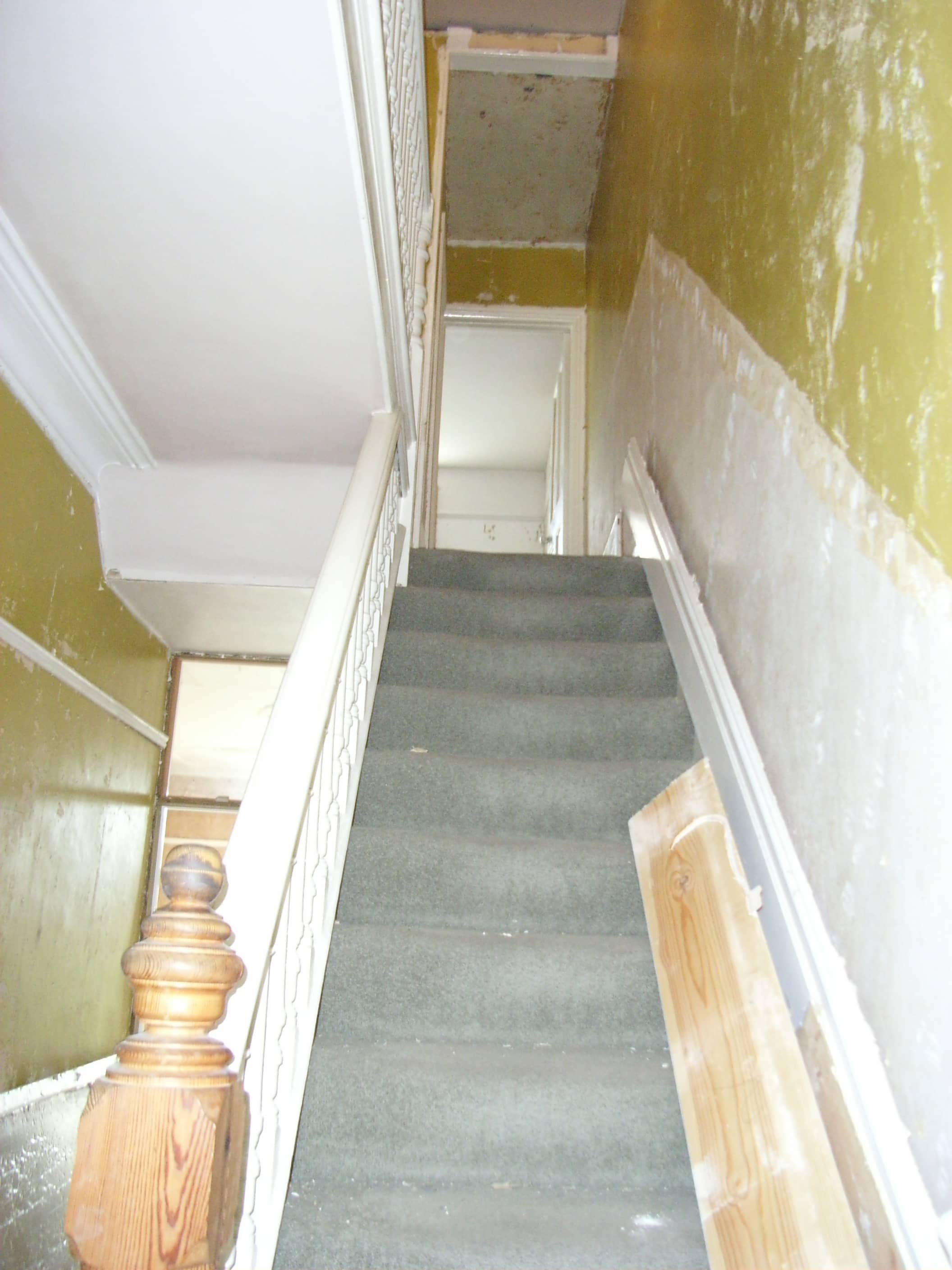
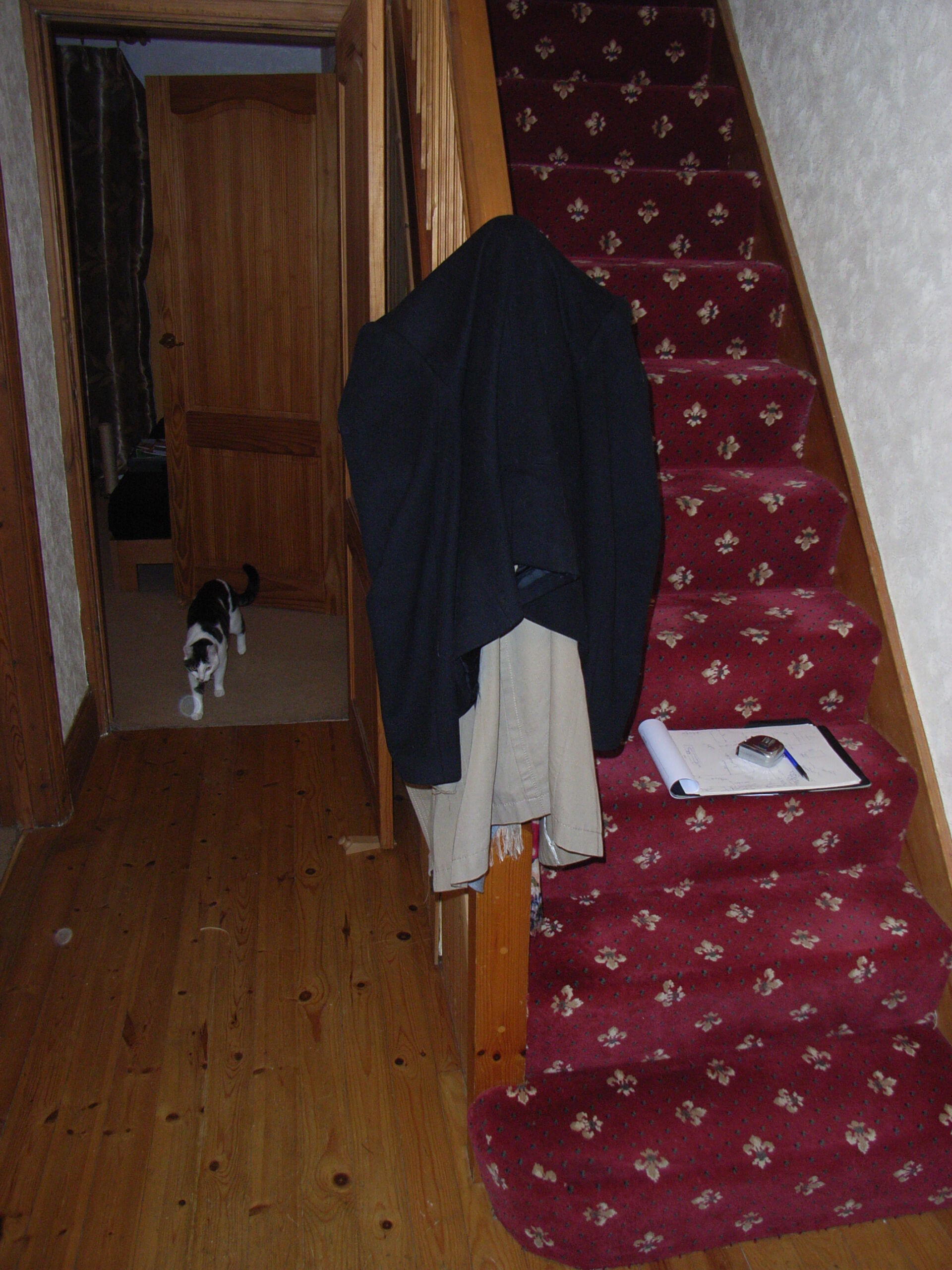
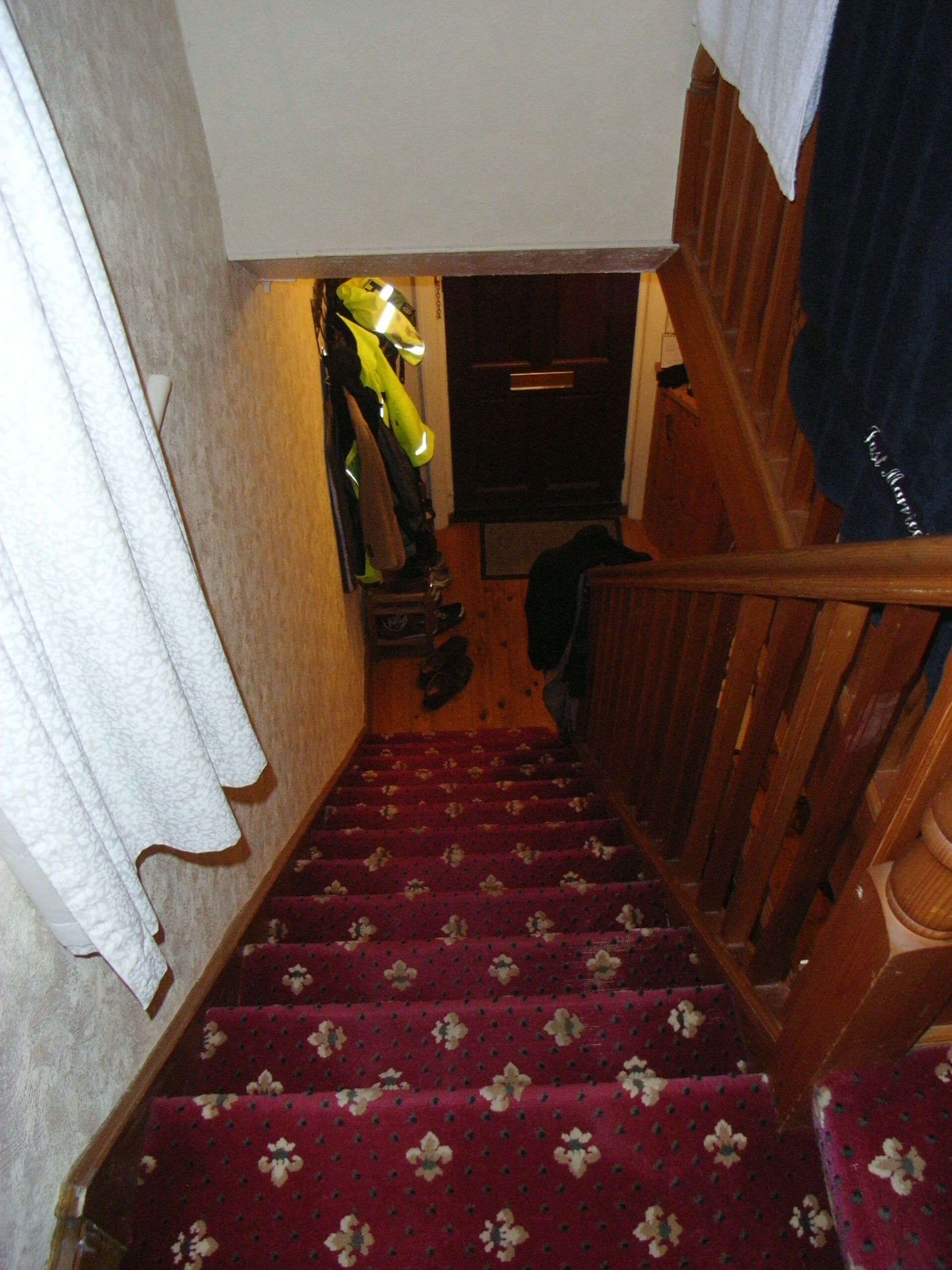
Hall, stairs and landing – typical UK Victorian terrace house over 2 floors.
Walls, ceilings, skirtings and dados: £2800 + VAT
Spindles: £800 + VAT
Stair and landing edges for carpet runner: £650 + VAT
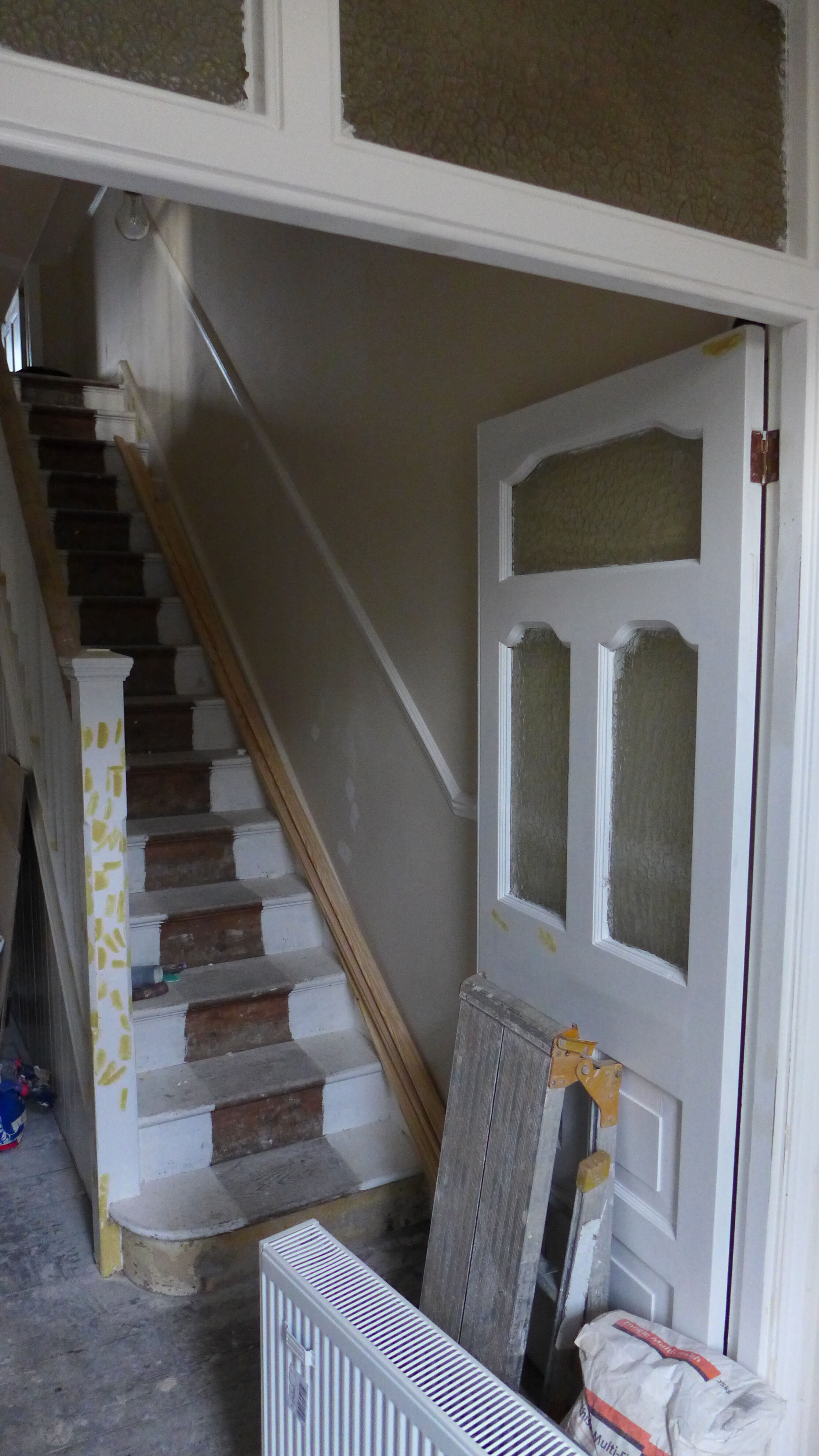
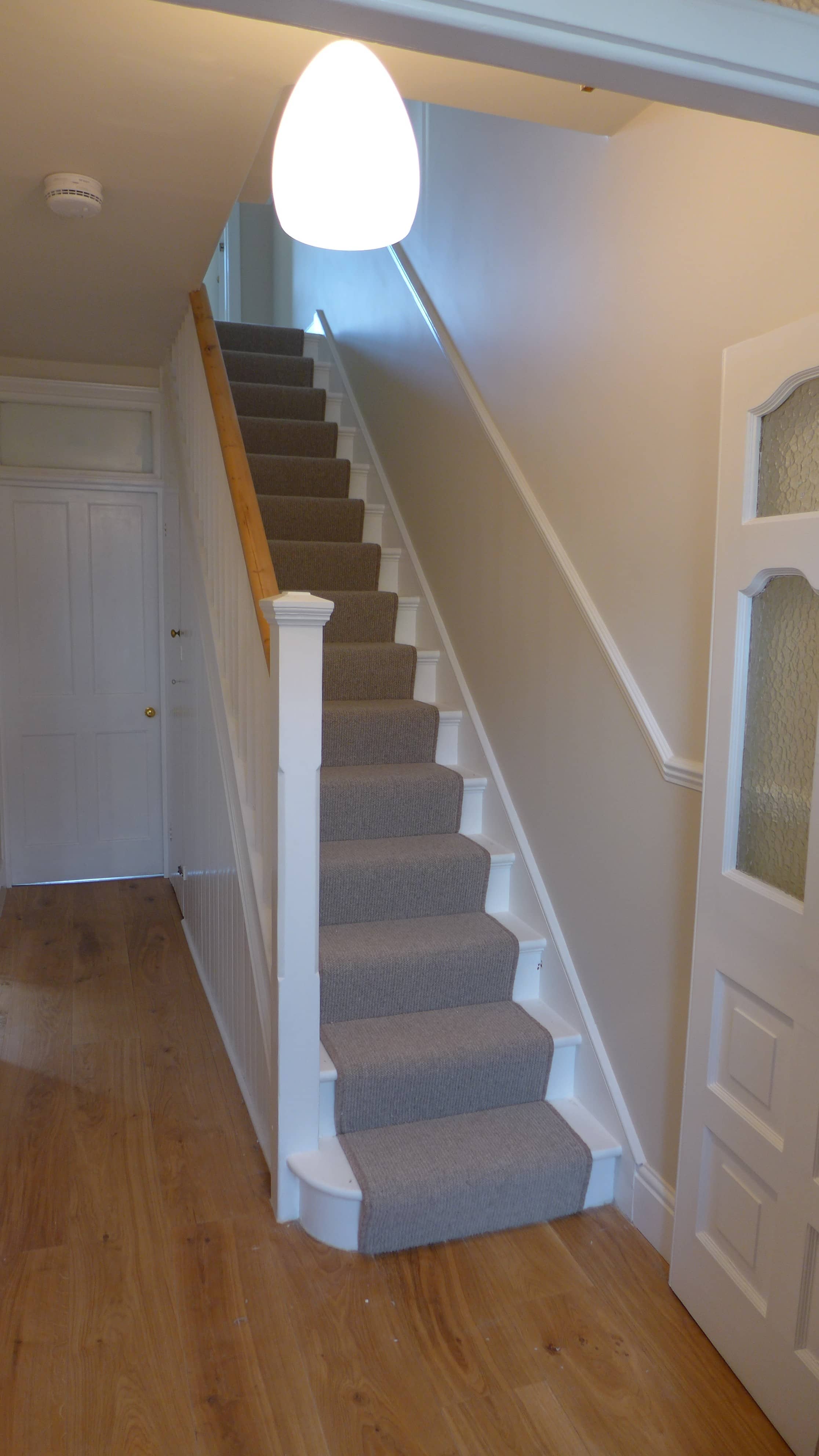
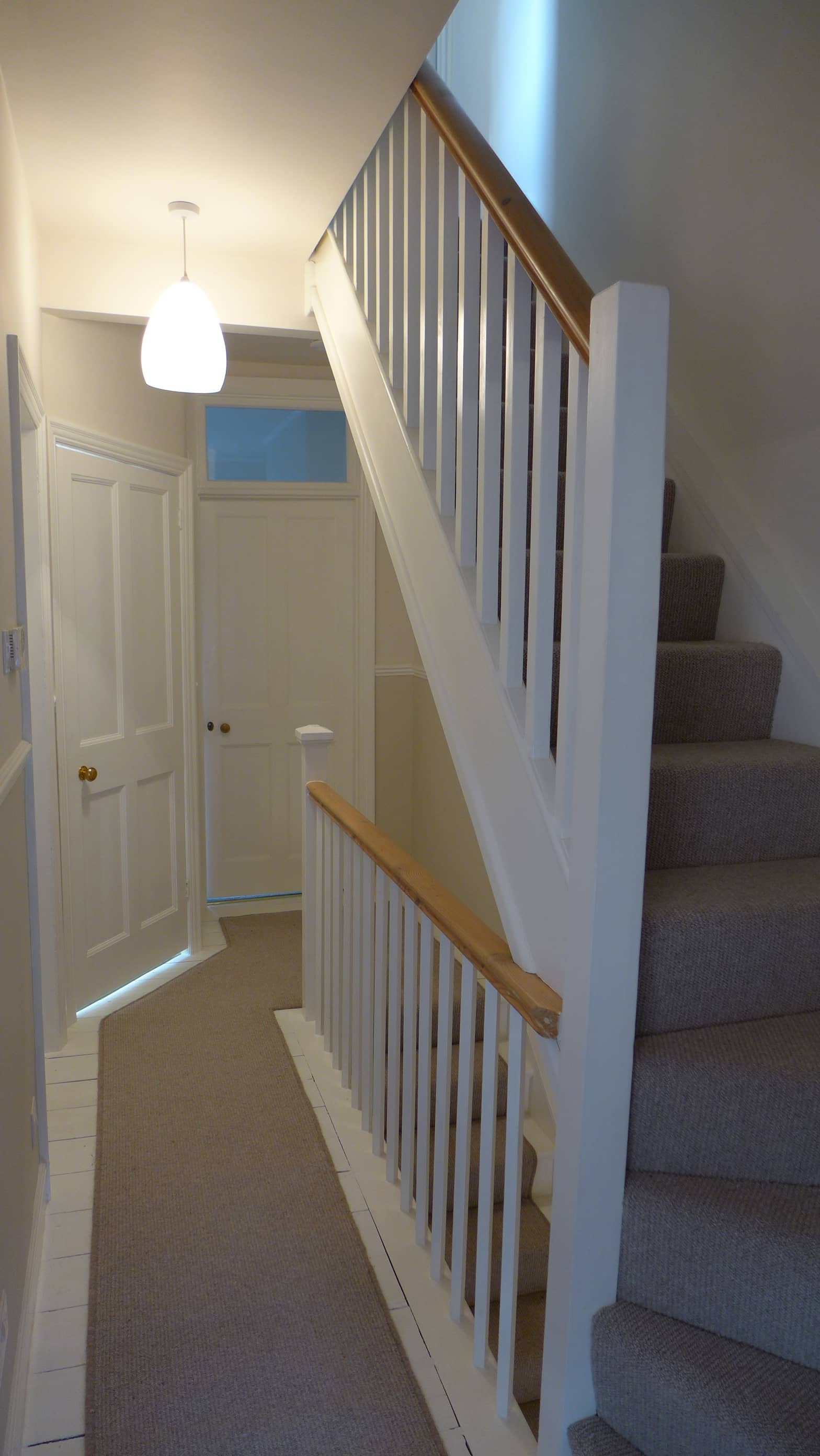
Hall, stairs and landings – typical UK Victorian terrace house over 3 floors including spindles.
Price including materials: £3800 + VAT

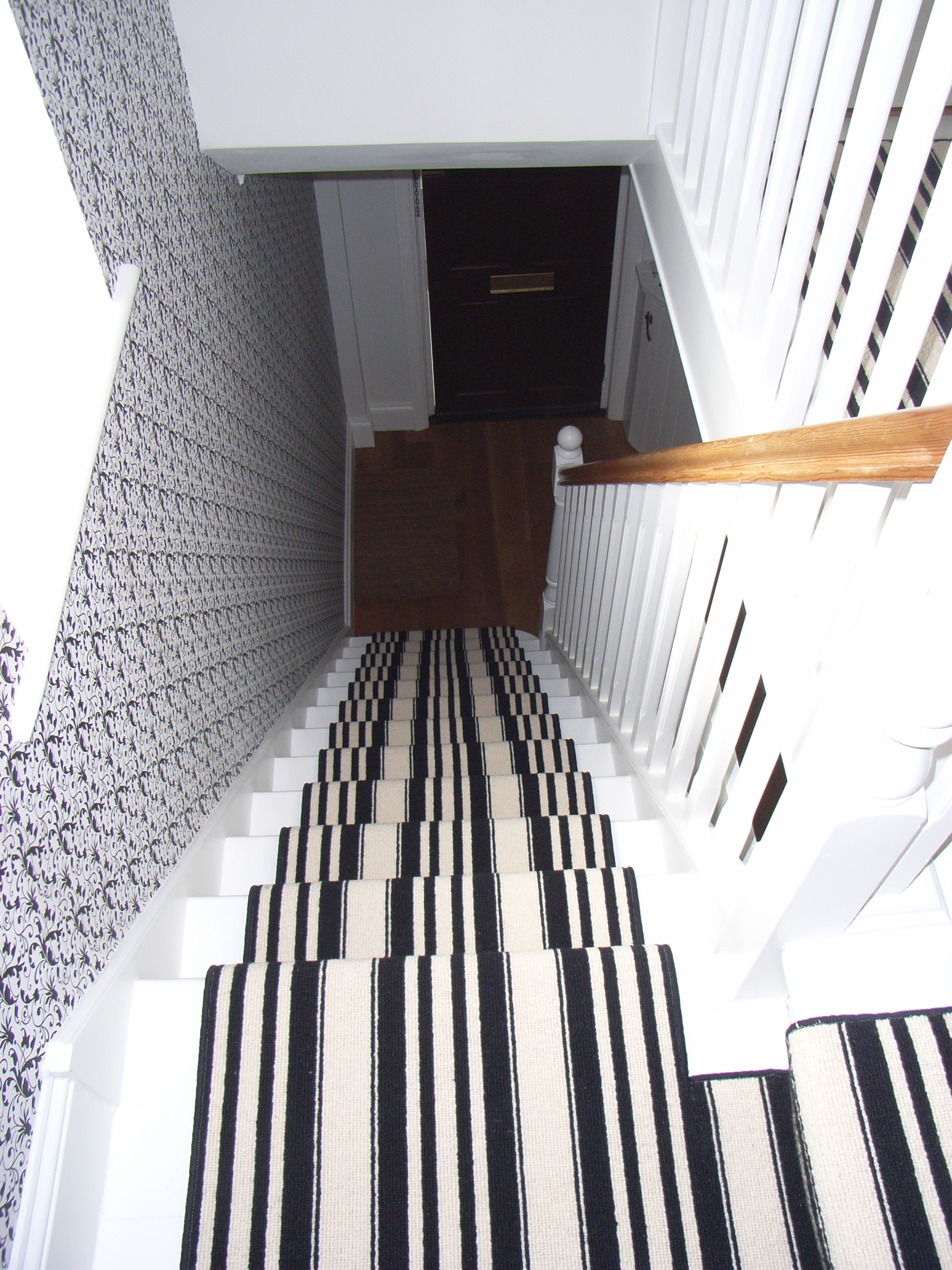
Hall, stairs and landing including spindles.
Painting, including materials: £1600 + VAT.
Wallpapering one wall: £250 + VAT
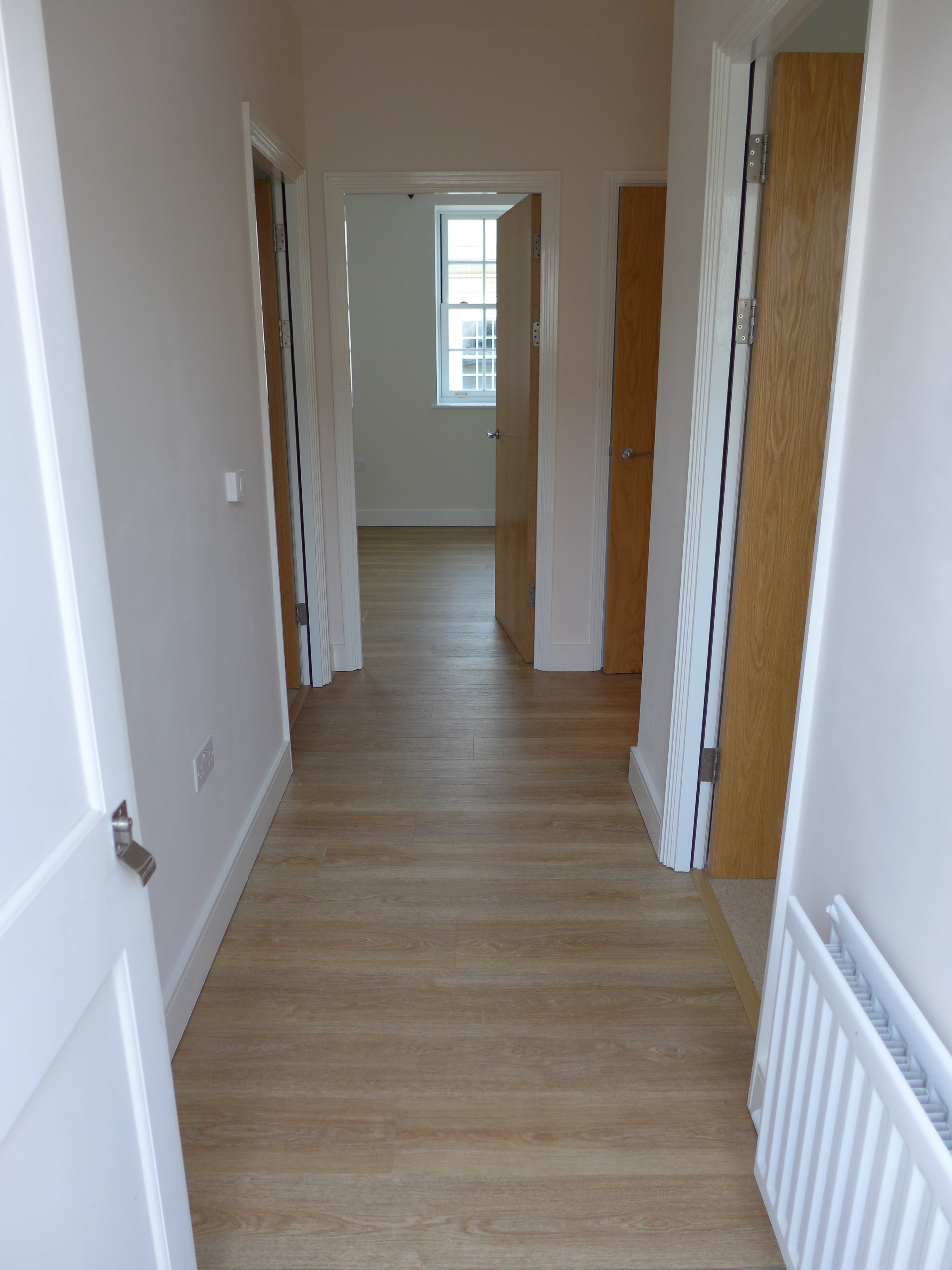
Cost to decorate a 2-bed apartment throughout
To decorate this basic apartment above with hall shown, kitchen-living space, two small bedrooms – emulsion to all walls and ceilings, eggshell to skirtings, architraves and window cills (but not doors or windows) – Price: £2650
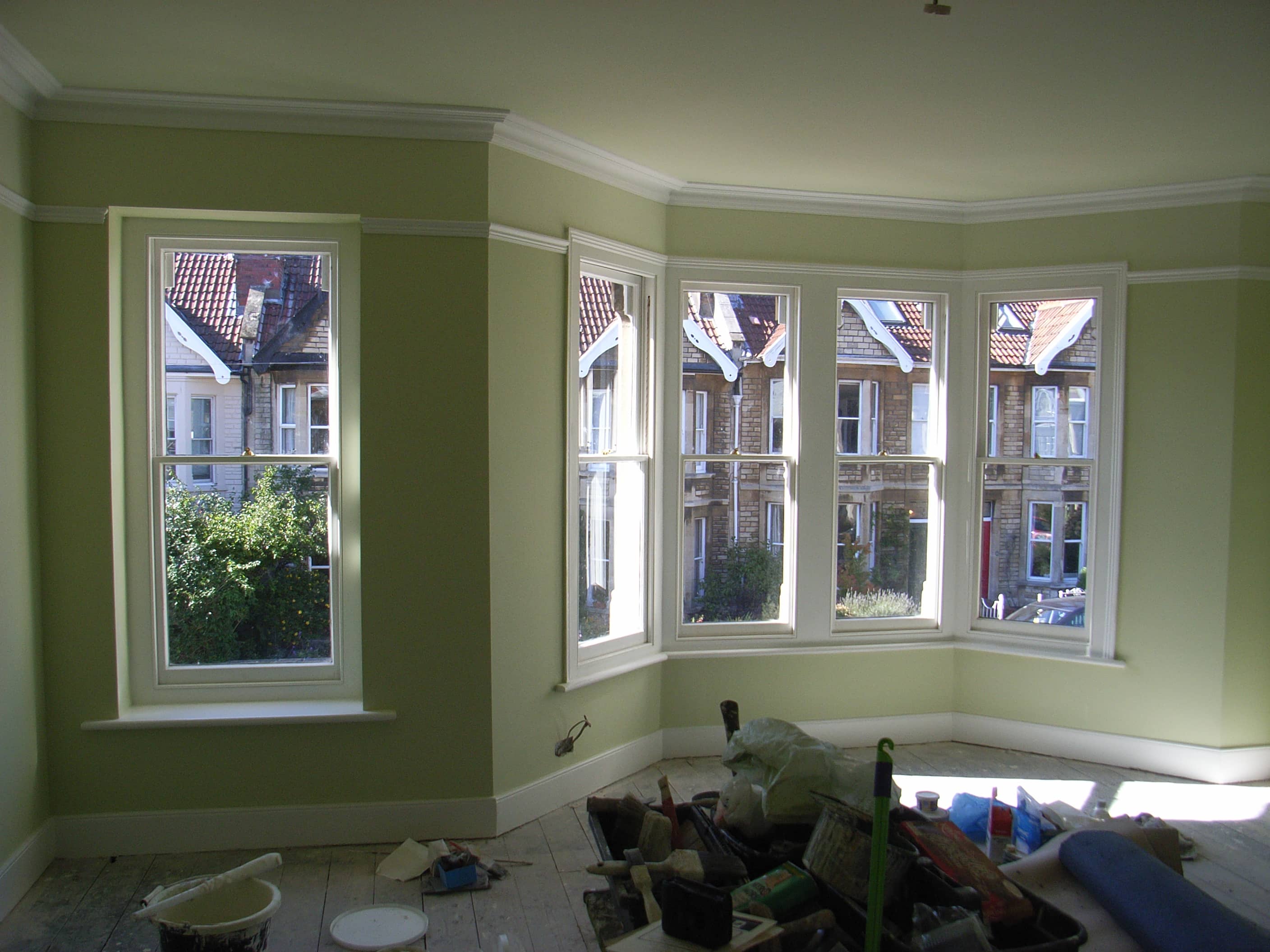
Sash window – prepare and paint inside and out (one window): £400
Three or four sash window bay – prepare and paint inside and out: £900
Exterior decoration
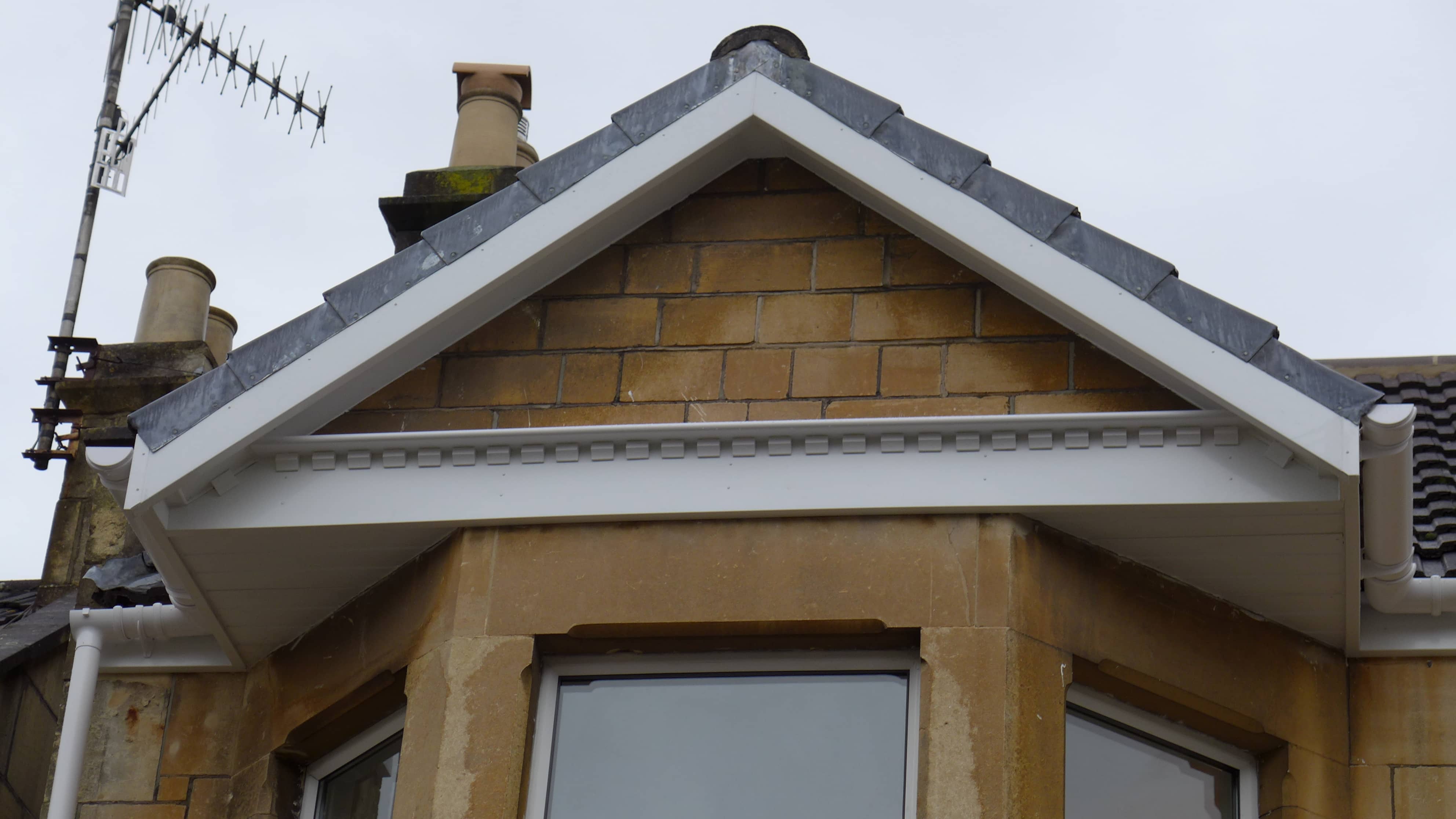
Decorate high level joinery (soffits, fascias, barge boards etc) front and back – £1500 (does not inc scaffold) – £2000 if more complicated.
Cost to decorate a front door
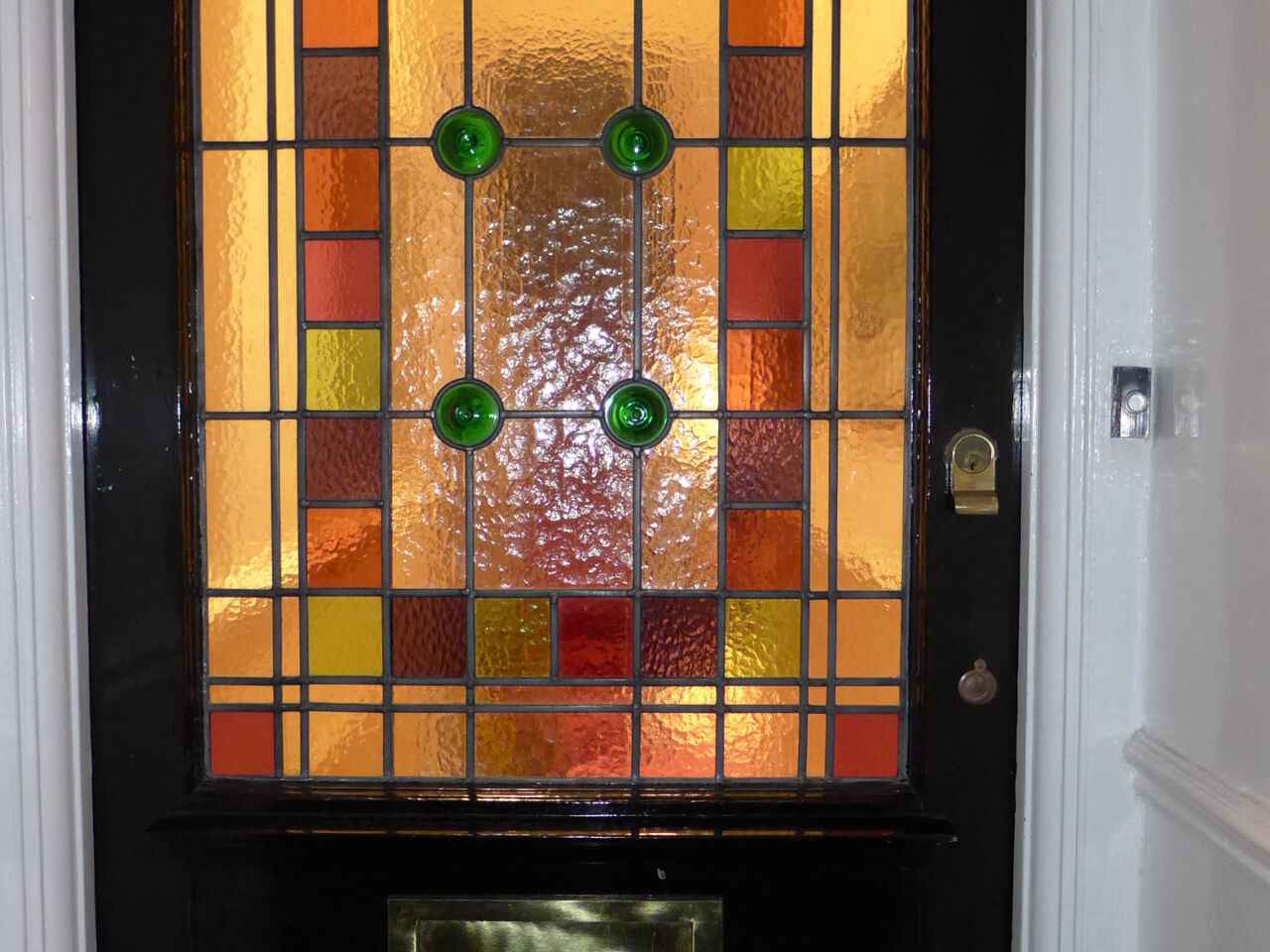
Front door exterior face only: £400 – £500 + VAT
Wallpapering
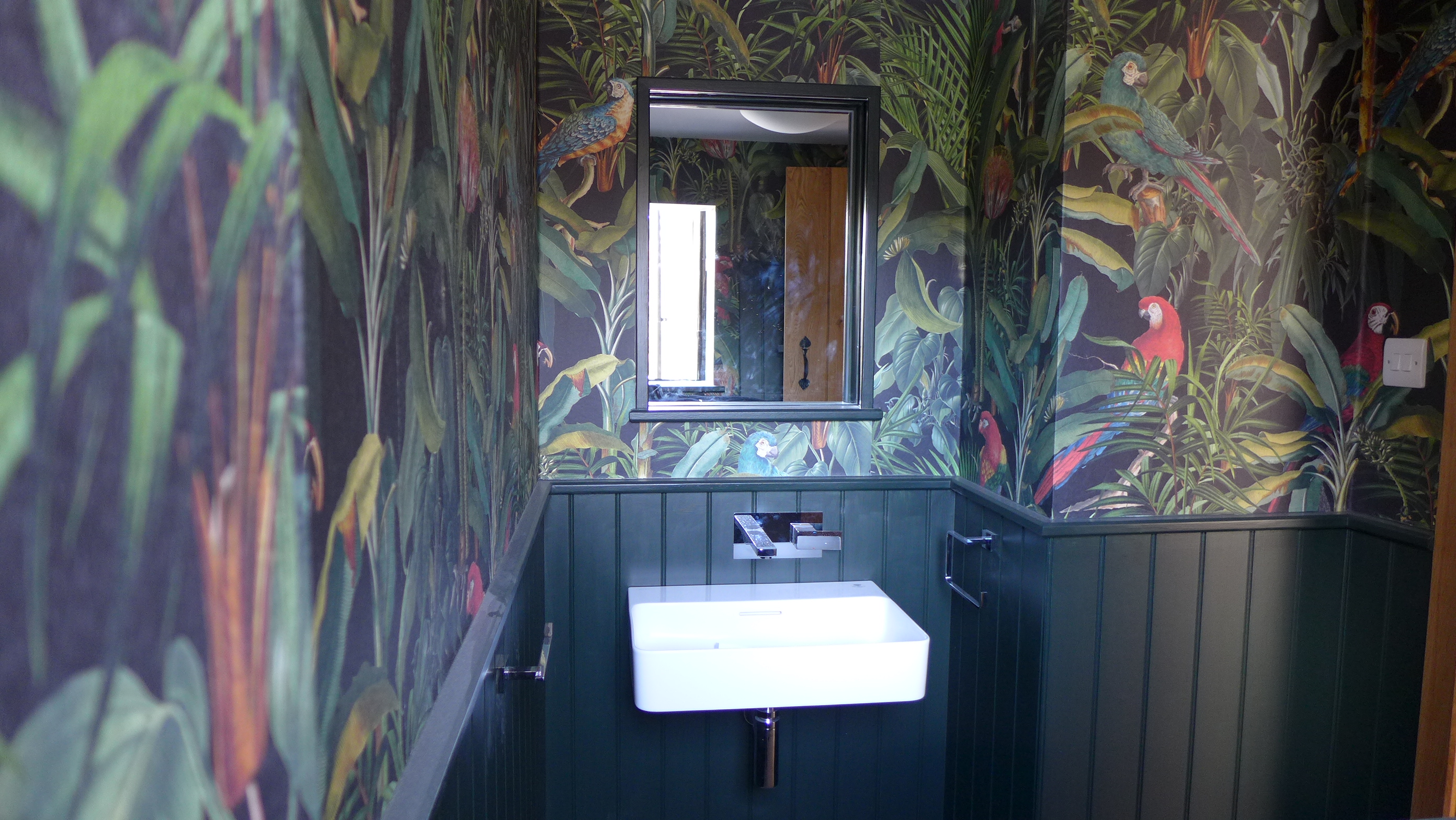
Typical labour prices to wallpaper reception room / bedroom, with moderate preparation (if new flat walls, reduce by 25%):
Small room (3m x 2.5m x 2.5m): £740 + VAT
Medium room (4m x 4m x 2.5m): 1100 + VAT
Large room (6m x 5m x 3m): £1750 + VAT
Tiling labour and materials
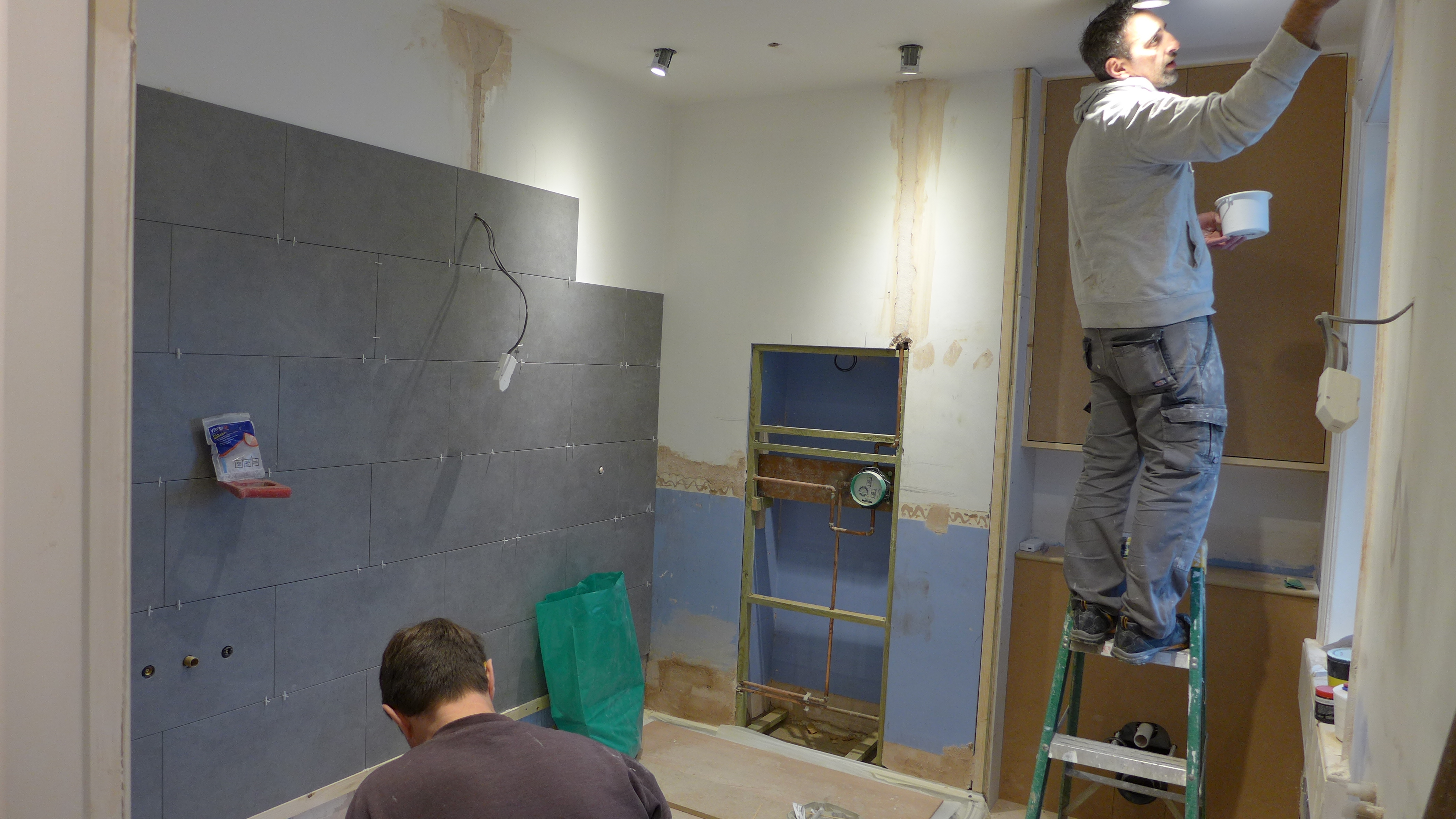
As with a decorator, a tiler will price for his or her time – typically £50 / m2; but the price of adhesive is considerable. If the tiler needs to level out uneven sub-floors or levels with extra adhesive, this can easily lead to additional costs of £100s. They will also draw your attention to loose plaster – tiles add a lot of weight to a wall, so it is vital that the surface is sound.
Porcelain tiles are superior to basic ceramic, but they are harder to drill and cut so will carry a labour cost premium. Larger tiles will be quicker to fit and grout than smaller tiles, so labour should be cheaper. On the other hand, mosaics are more complicated and will add to the labour cost.
A floor tiling price may also include anti-fracture matting (with its own adhesive) and, depending on your starting point for walls, tile-board and other sundries.
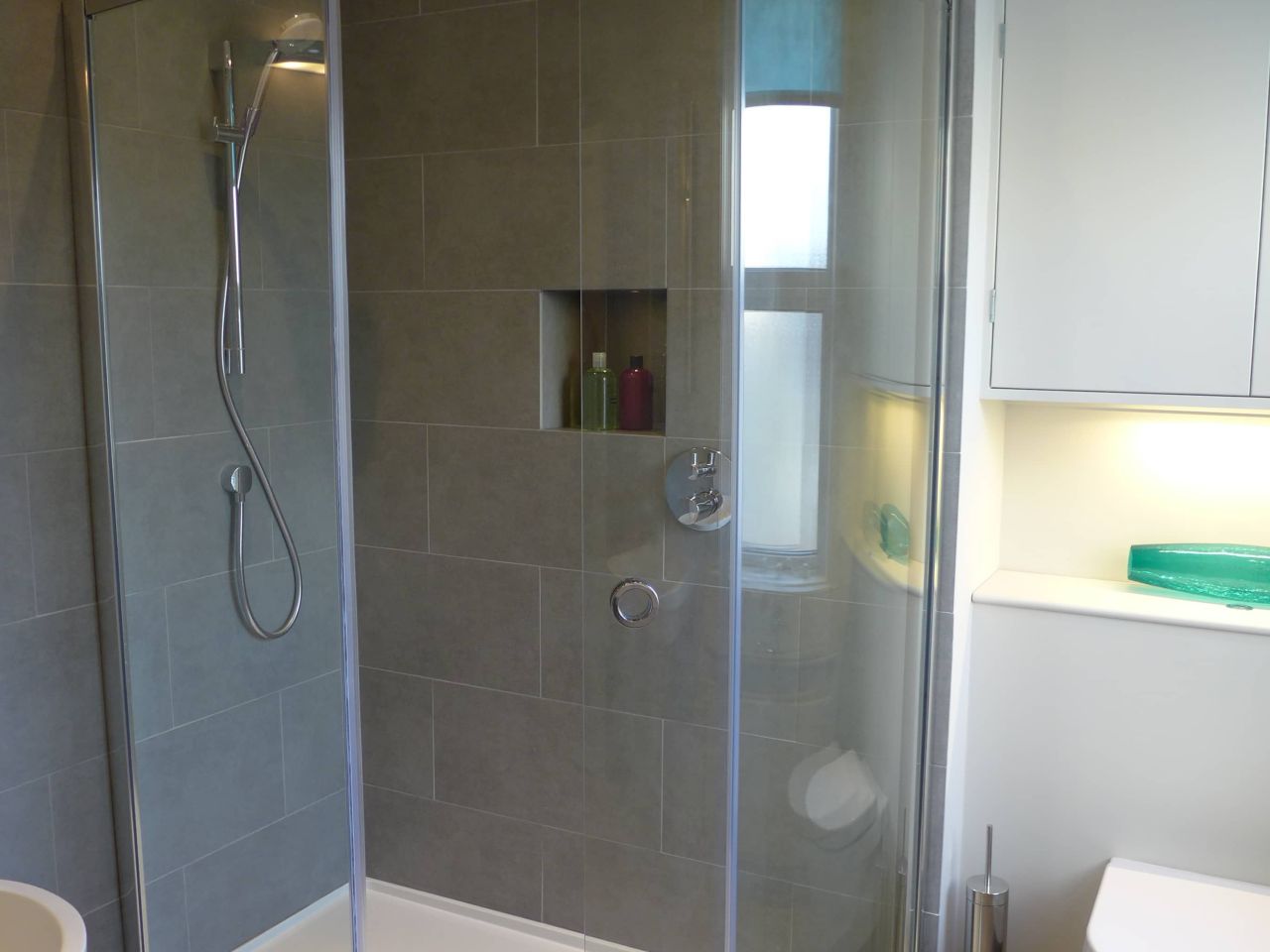
Labour cost to tile shower enclosure and adjacent wall (13m2): £650 – £800 + VAT
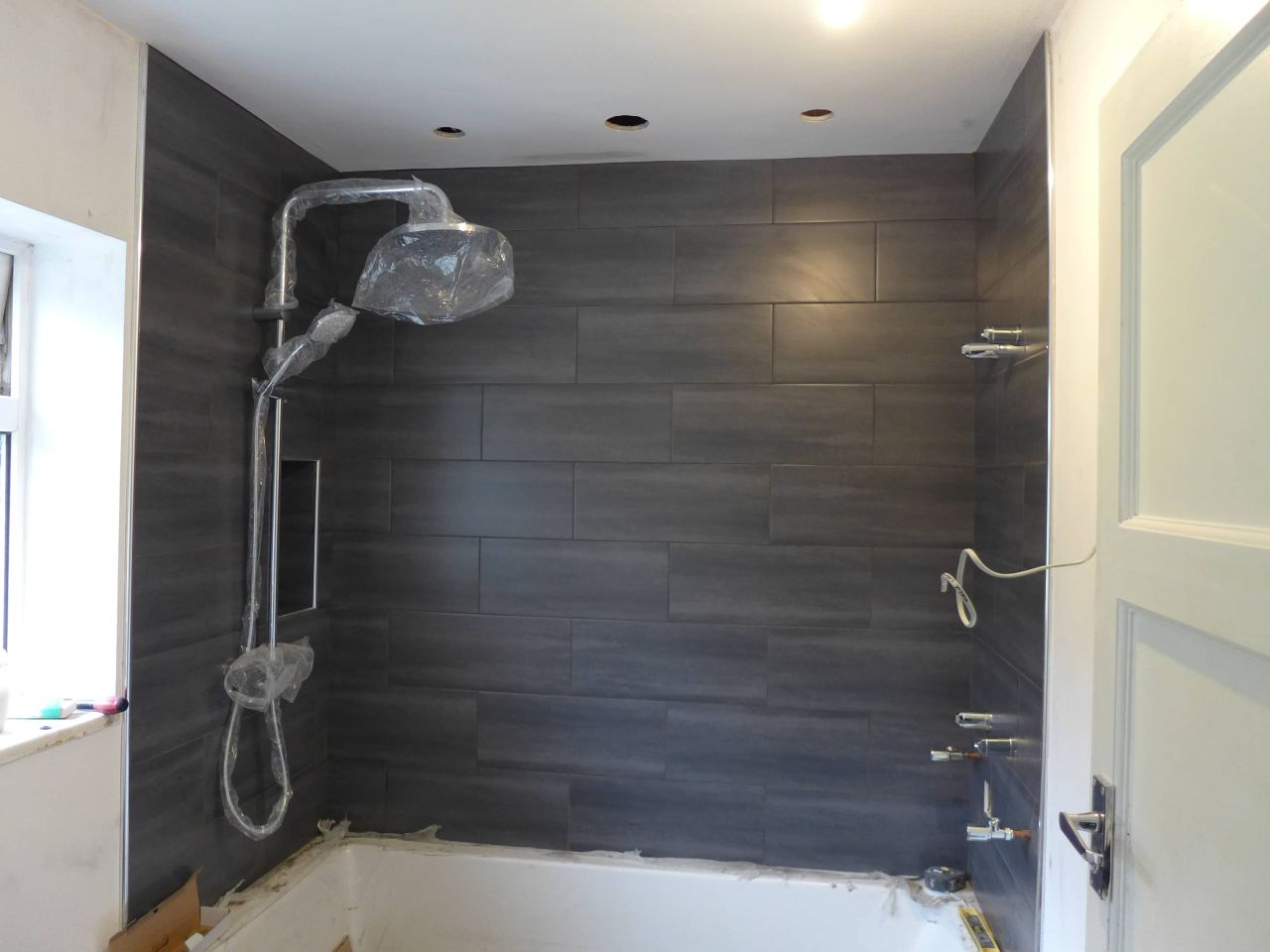
Labour to tile bath area (6m2): £450 – £500 labour – ceramic tile so easier to work than porcelain, and fittings are exposed (not concealed as in the further example below).
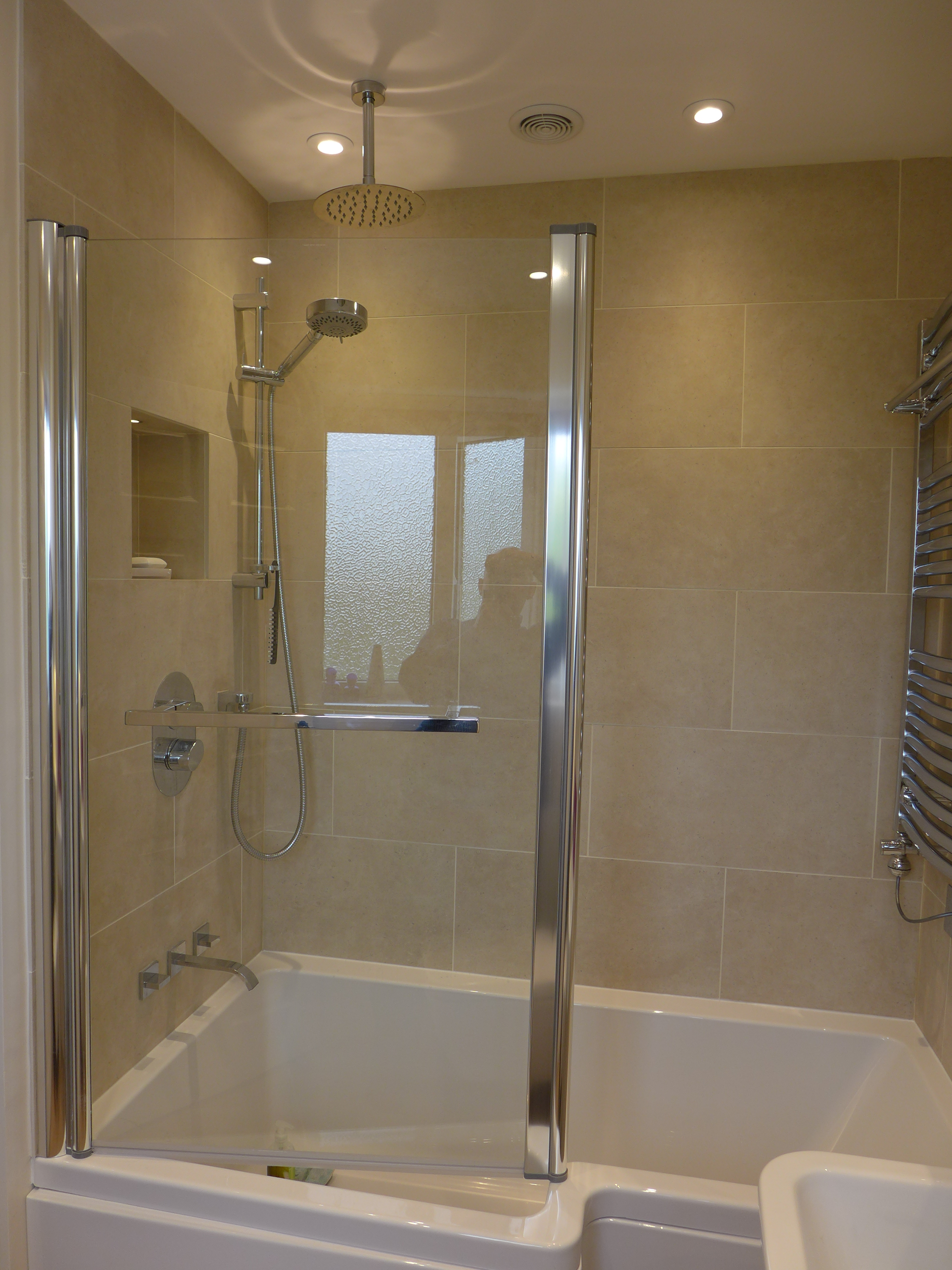
Labour to tile bath area (6m2): £600 – £900 labour – porcelain harder to work, and note fittings are concealed so higher labour charge.
Details:
Strip original tiles: £80
Supply and fit new tileboard: £300
Tile walls: £450
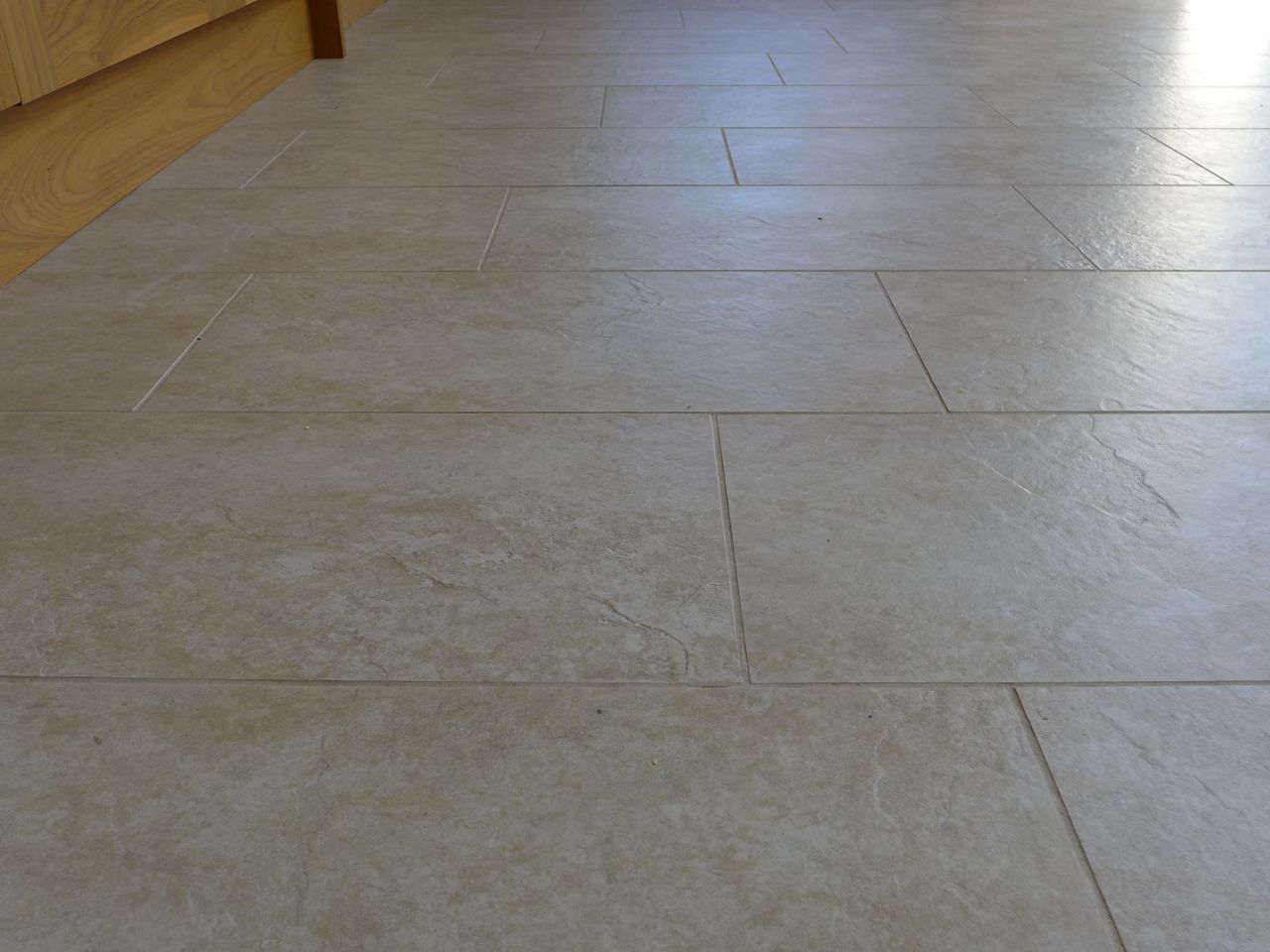
Floor tiling
Expect to pay labour at £50 per m2 labour; approximately £65 per m2 including adhesive and grout.
House renovation advice

If you are considering more than just decorating a few rooms, we have produced the following guides to help you with general house renovation.
- Controlling the Cost of Home Improvements – Making sure you’ve considered everything in the total project cost
- Property Renovation Guide – The steps to a successful renovation including your choice of main contractor.
- How to Renovate a Property – Preparing for a home renovation and a guide on services offered by various professionals.
- How Much to Invest in a Property – Considerations on the amount of money you might consider spending on home improvements.
- Home Design – If you are struggling to visualise your new home, this shows how basic 3D images can help without costing the earth.
- Property Renovation Companies – What a good property renovation company should do, and how they can help you.
- Kitchen Design – Practical steps for designing your dream kitchen
- Bathroom Design – Considerations for a stylish yet practical bathroom

Home decoration costs are increasing all the time, but we hope you found these notes helpful; they may even save you some money. If you think we can help further for your renovation in Bath or Bristol, you can read more about our interior design and property renovation services.
