A question neatly put. This blog explores factors you might consider before investing in home renovation or refurbishment.

Return on investment
Some people want to be sure of a return on their investment before proceeding with a home renovation. If that’s you, an estate agent could estimate the effect of proposed changes on property value.
If you take a broader view of financial investment, you might compare the cost of renovation with other options. If one option is to move, there is the obvious cost of the new home (which may also need some work) along with fees and taxes. You might also consider the “cost” of watching time pass and doing nothing about the problems with your current house.
We just want a lovely place to live
For others, it’s the life-changing prospect of remodelling and refurbishing their home that excites them. Within reason, they are prepared to pay more for this than any expected gain in value.
Motives for home improvements

Here is a selection of factors which might affect your decision to invest in improving your home:
circumstances compel you to make changes: growing children can no longer share a bedroom; the fabric of the property is deteriorating; you need a more maintenance-friendly home as you get older;
you love the location but your home is dated; you’d rather spend on your current property than move;
you’ve been inspired by interiors photos online, you have the funds to renovate your home and want to get on with it;
Much of the investment is portable (like new furniture) to take with you if you move eventually.
… or not to invest:
you won’t see a significant increase in property value;
the property’s location doesn’t warrant further investment; you’d rather move;
you don’t have sufficient funds to achieve your plans.
Typical renovations
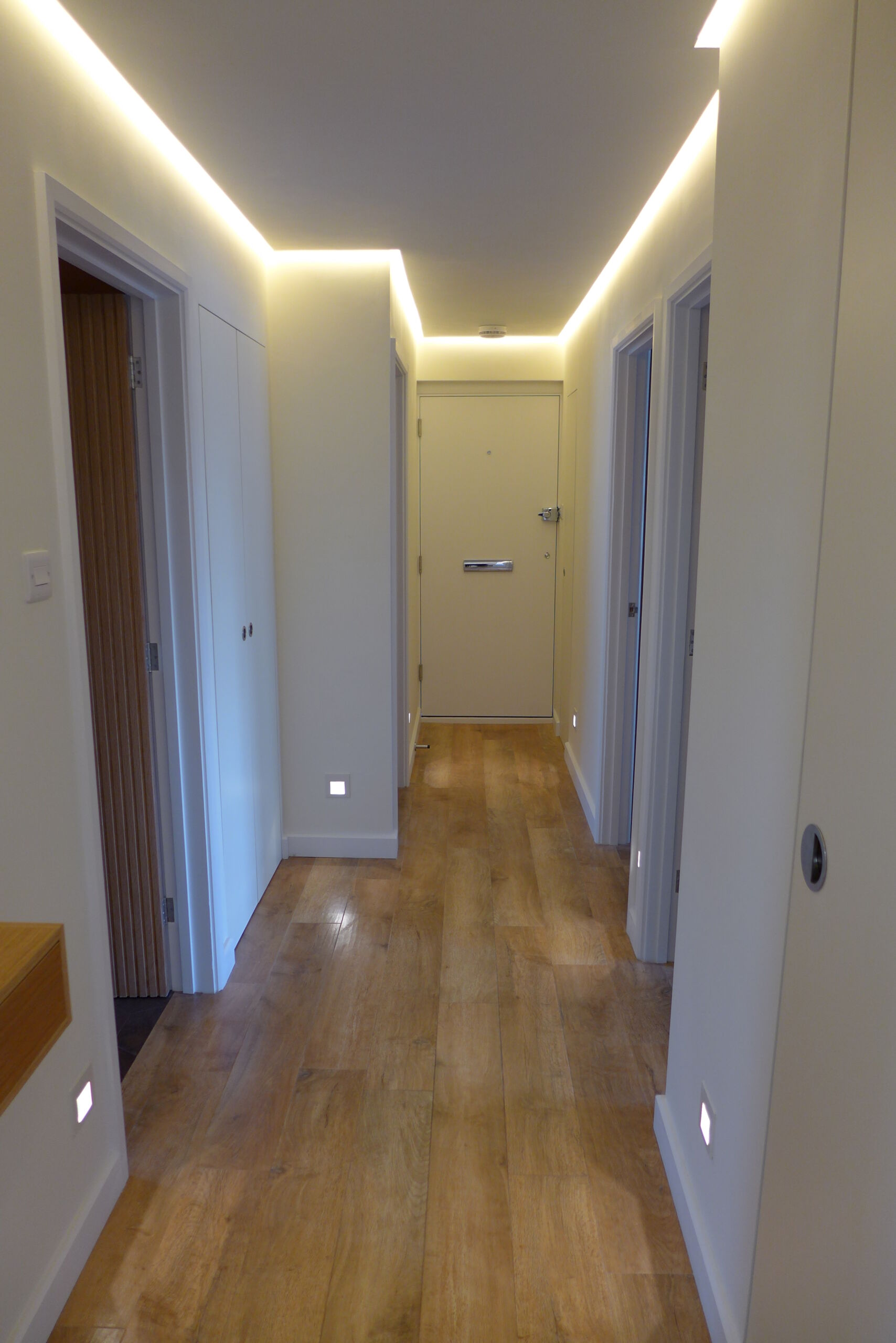
If you crave an open-plan kitchen-diner, knocking-through might be sufficient. An extension would give you even more space to incorporate a utility, with extra bedroom above. For a guest bedroom or home office, a loft or garage conversion would fit the bill. If you’ve always fancied a games room, laundry or home cinema, a basement conversion might be appropriate. Or perhaps you just want to freshen up your home with new design ideas, decoration and furnishing.
Re-build
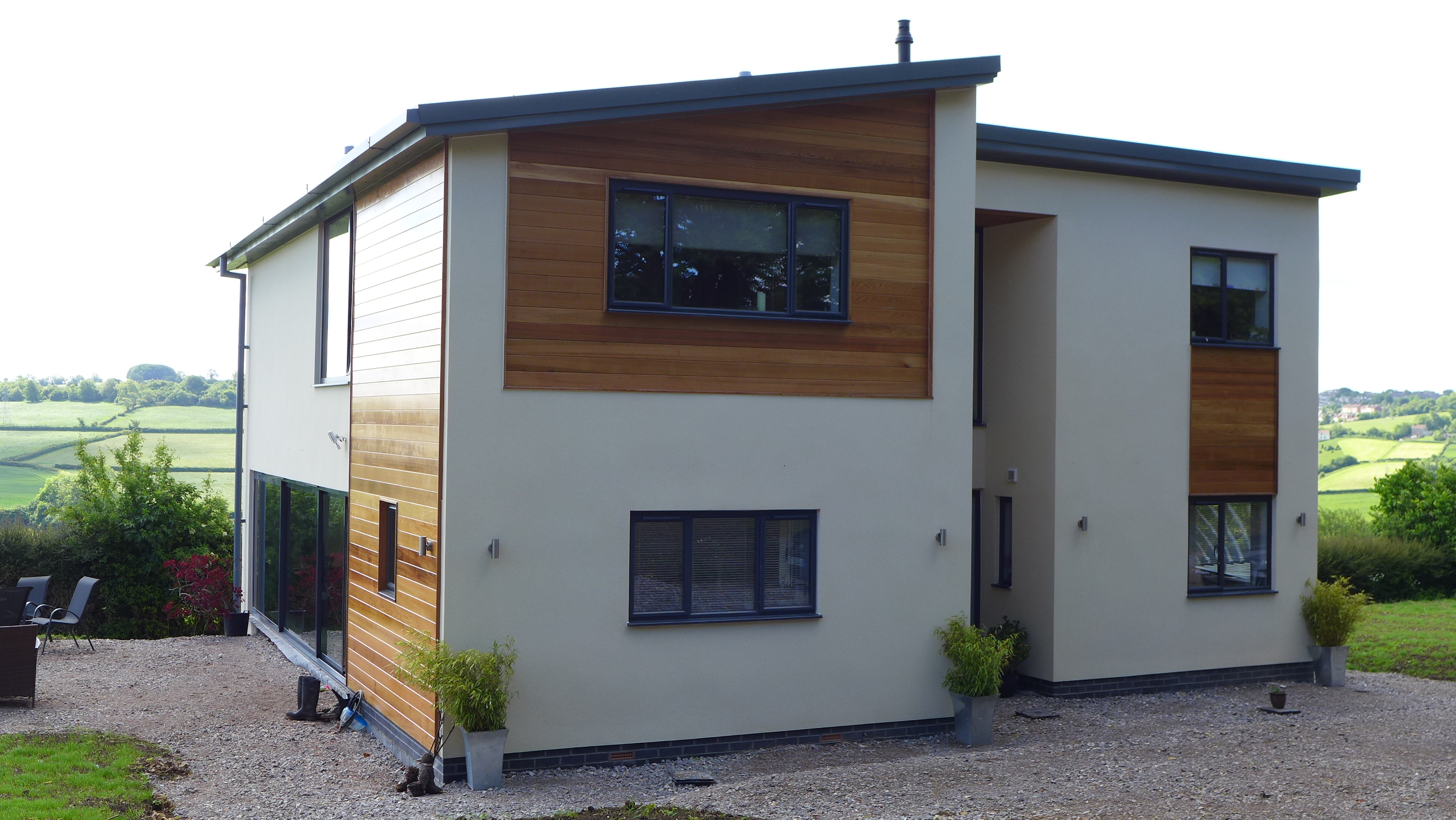
In the extreme, you could knock down your home and start again! Originally, these clients planned to purchase a detached property and extend it to accommodate their growing family. Then, they decided to demolish most of it and replace it with a modern house. They considered this to be the best, long term investment.
How much does it cost to renovate a home?

Here we present three cases, each with a different motive for renovation. The first is a phased project to accommodate a change in family circumstances. The second explores a client’s dilemma between moving, or staying put. The third examines a client’s decision whether or not to purchase a property in the first place. Indicative prices exclude VAT estimated at 2023 prices (unless otherwise stated).
Edwardian house renovation
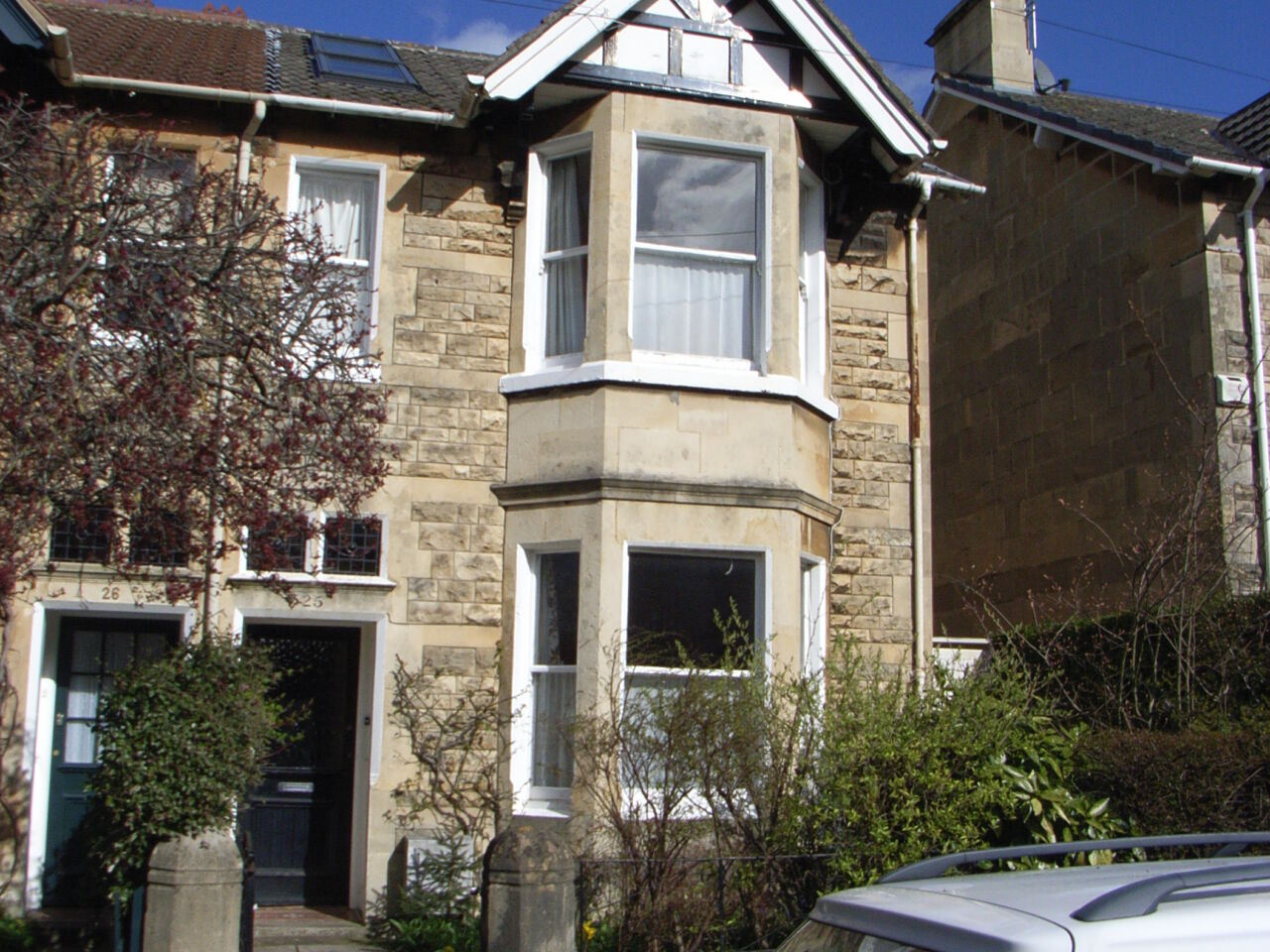
With plans for a family, older relatives wanting to stay and the prospect of setting up a business working from home, we developed this Edwardian house in three stages. First came a loft conversion, then a basement conversion with side return extension, and finally a new bathroom with additional home office.
Loft conversion
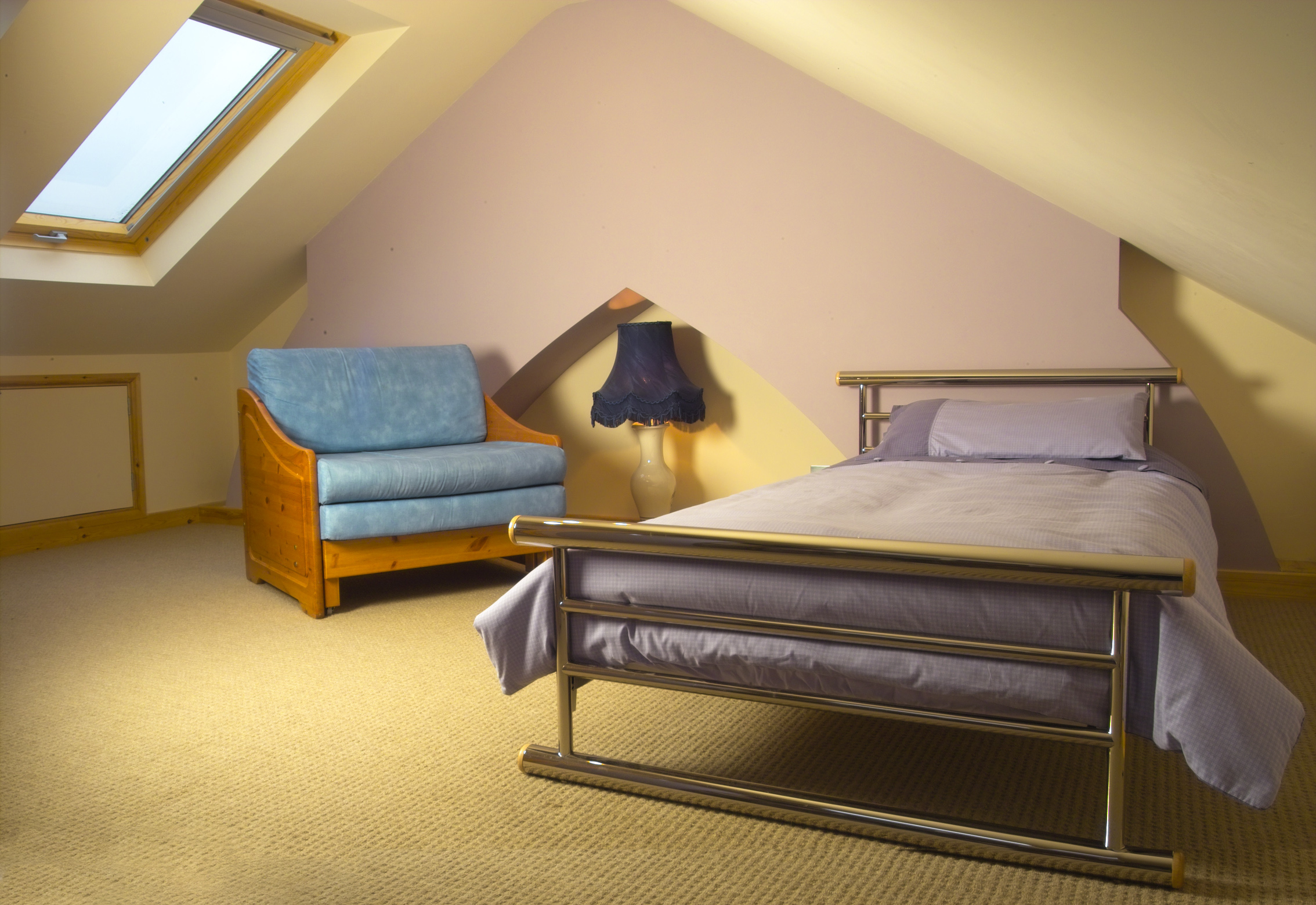
The loft conversion (no dormer or en-suite) would cost around £56000 in 2023. This added a fourth bedroom doubling as a home office. Looking at the difference between three and four bedroom properties in the same street, the conversion more than paid for itself. So purely in monetary terms, you could say that this loft conversion was worth the investment.
But there’s more to it than that. The family can put up guests, saving on hotel bills. The home office offers a saving over renting a premises. So the investment in this simple loft conversion has paid for itself many times over, whilst adding value to family life.
Basement conversion
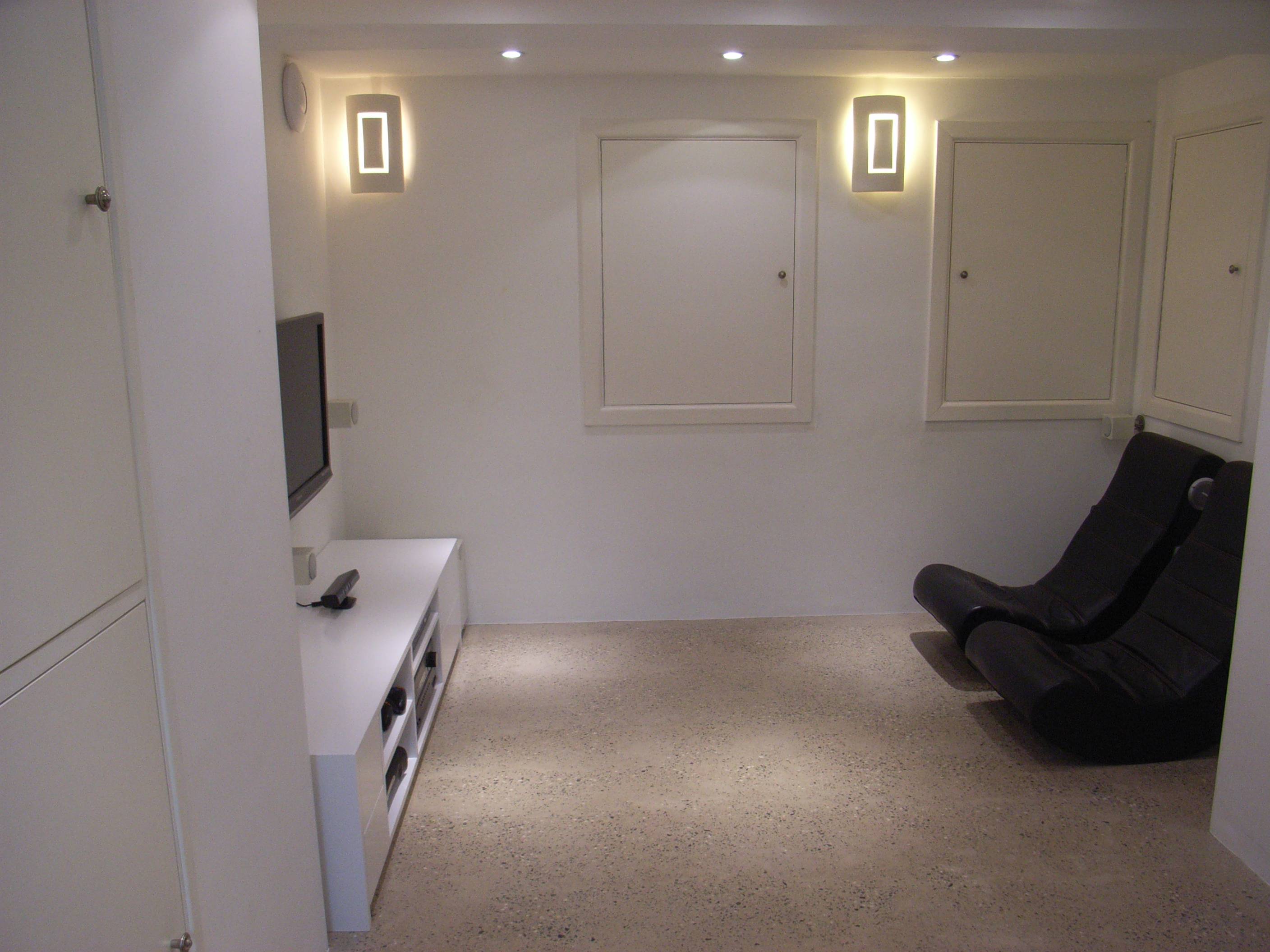
This basement conversion would cost around £98 000 at 2023 prices. It provided a small home theatre, significant peripheral storage and a laundry. The basement wouldn’t return a commensurate increase in property value, given that neighbouring Edwardian houses are very similar and benefit equally from nearby schools, amenities, parks and distance to Bath. A house-buyer may pay a small premium for the extra living space, but well short of the money spent on the conversion.
This project was never about the return on investment – it would give growing teenagers their own space and gaming area away from the adults. And the laundry saves spreading underpants around the house to dry – you can’t put a price on that!
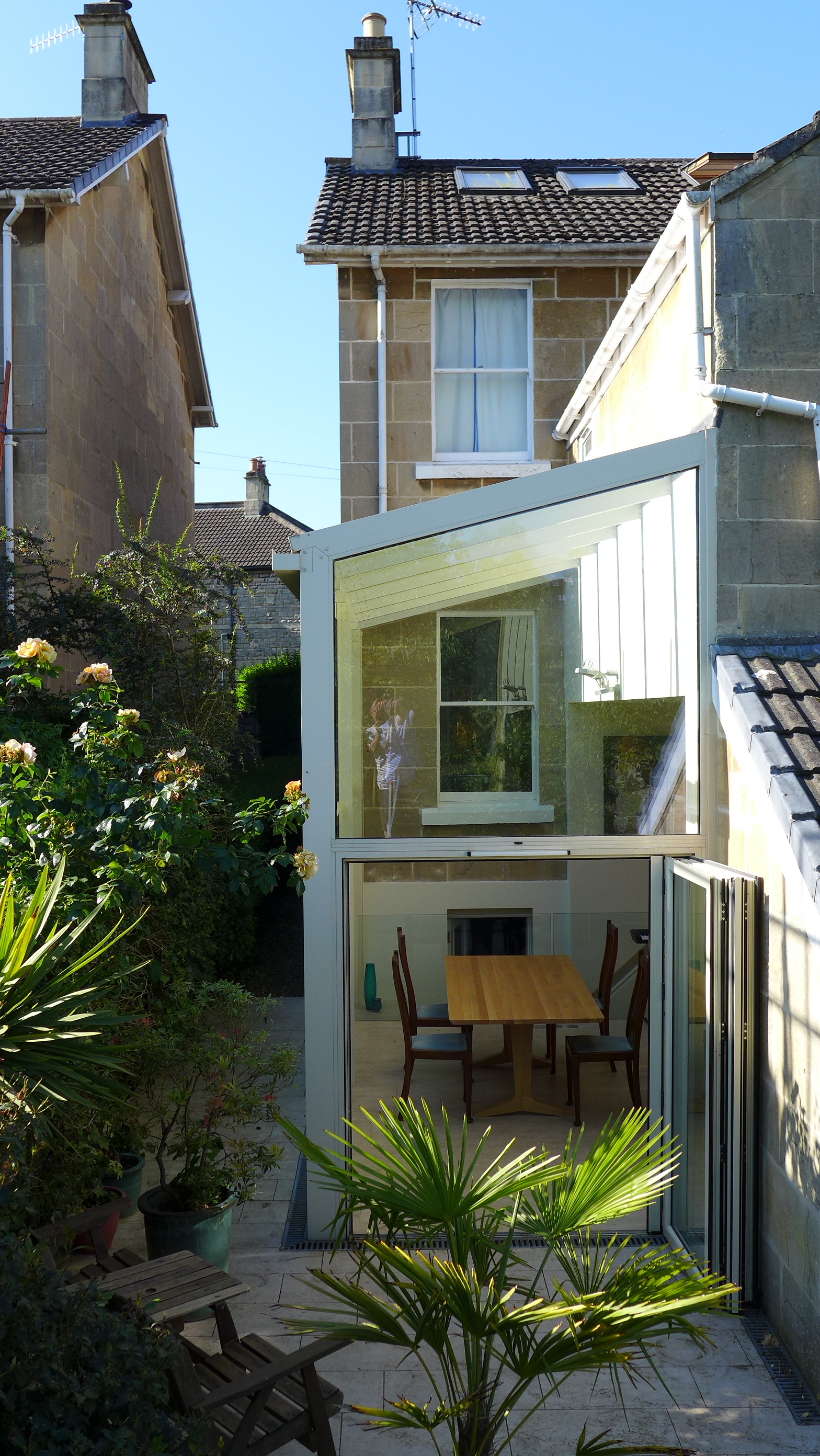
Side return extension
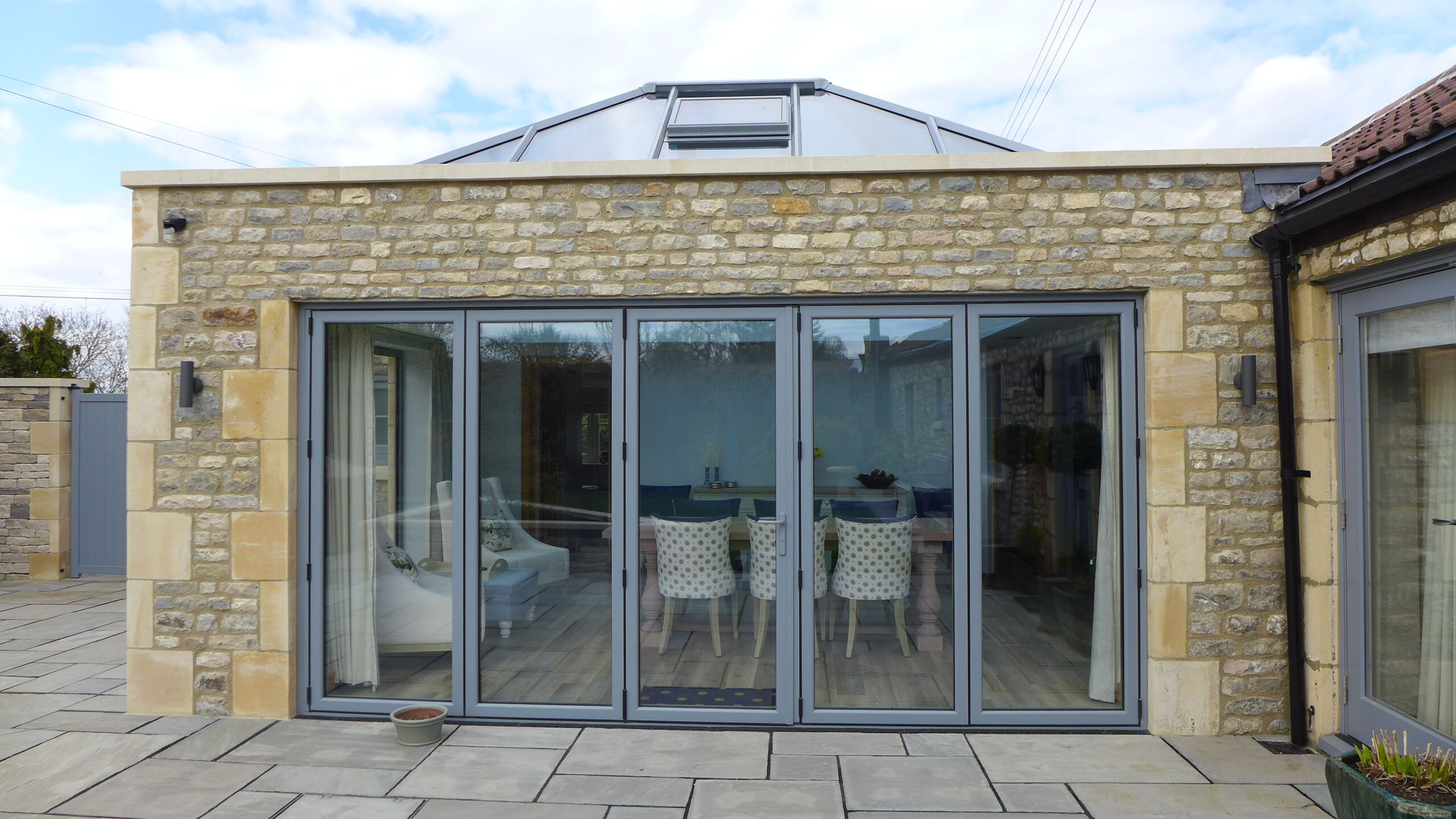
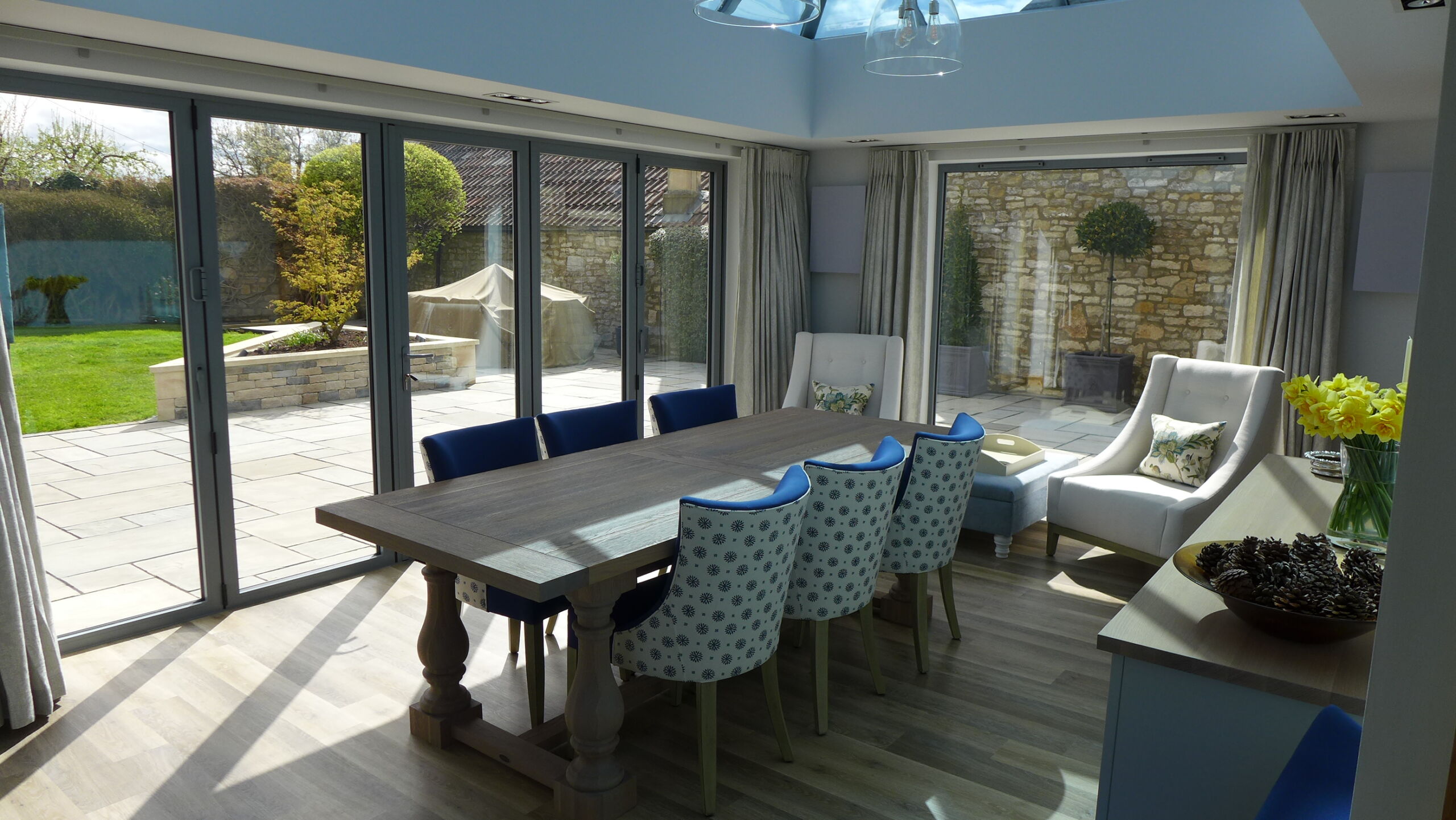
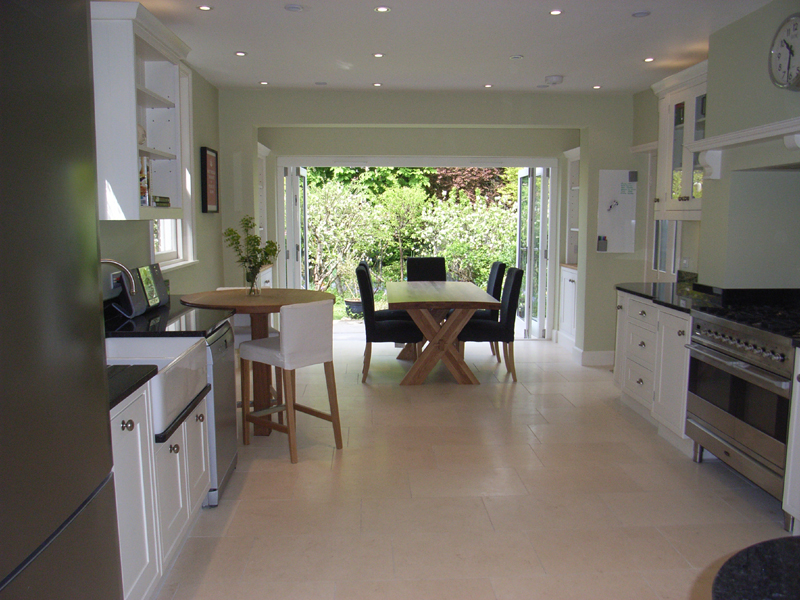
In parallel with the basement conversion came the side return extension with open-plan kitchen-diner. The cost would be around £125000 for the structural work, glazed frame and fittings, and £25000 for the kitchen – at 2023 prices. The home now has a life-changing space filled with natural light, accommodating a modern kitchen – great for entertaining, reading the papers and feeling inspired. Does this have a value? Who cares? It is practical, stylish and makes people feel good.
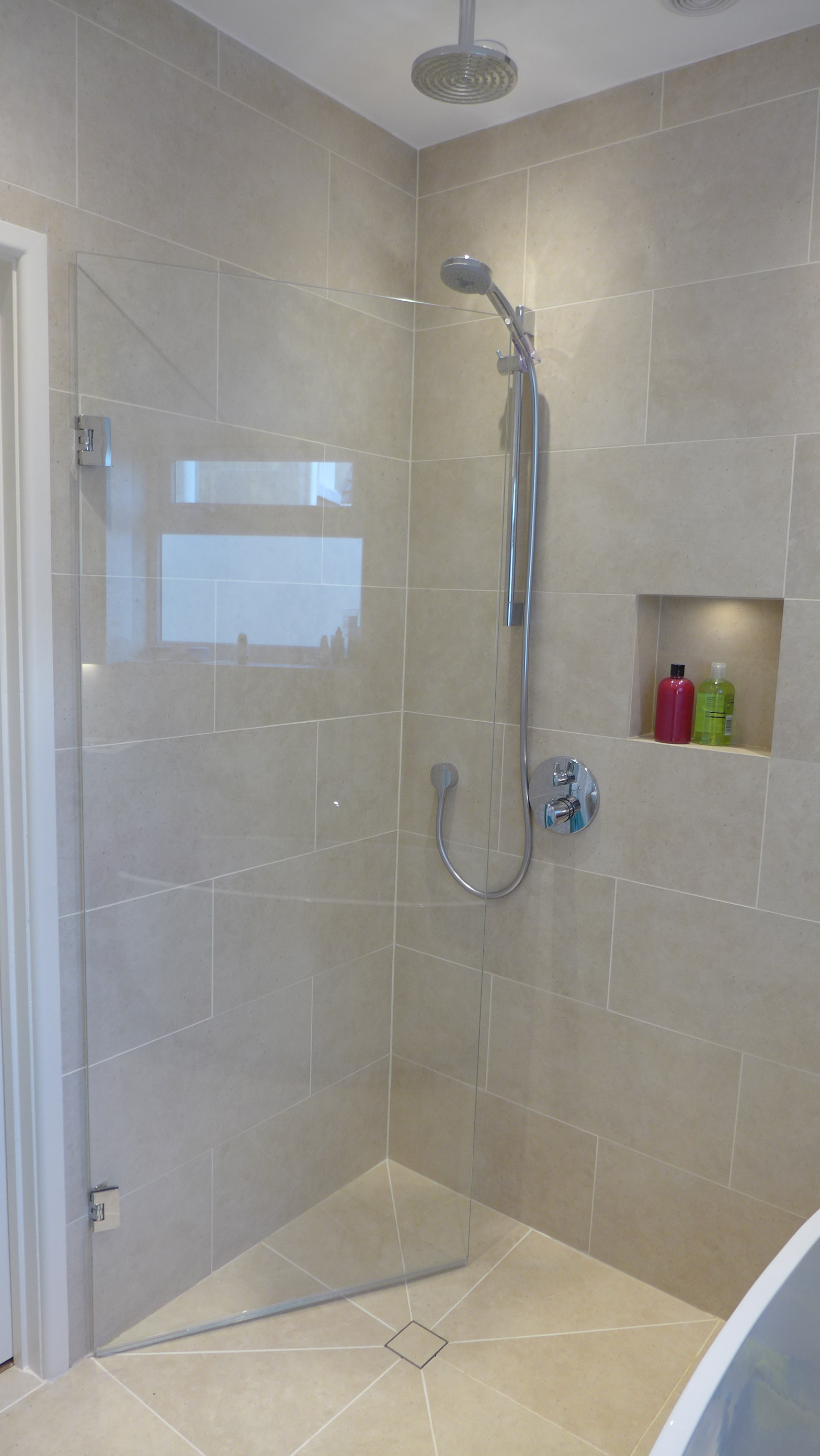
New bathroom
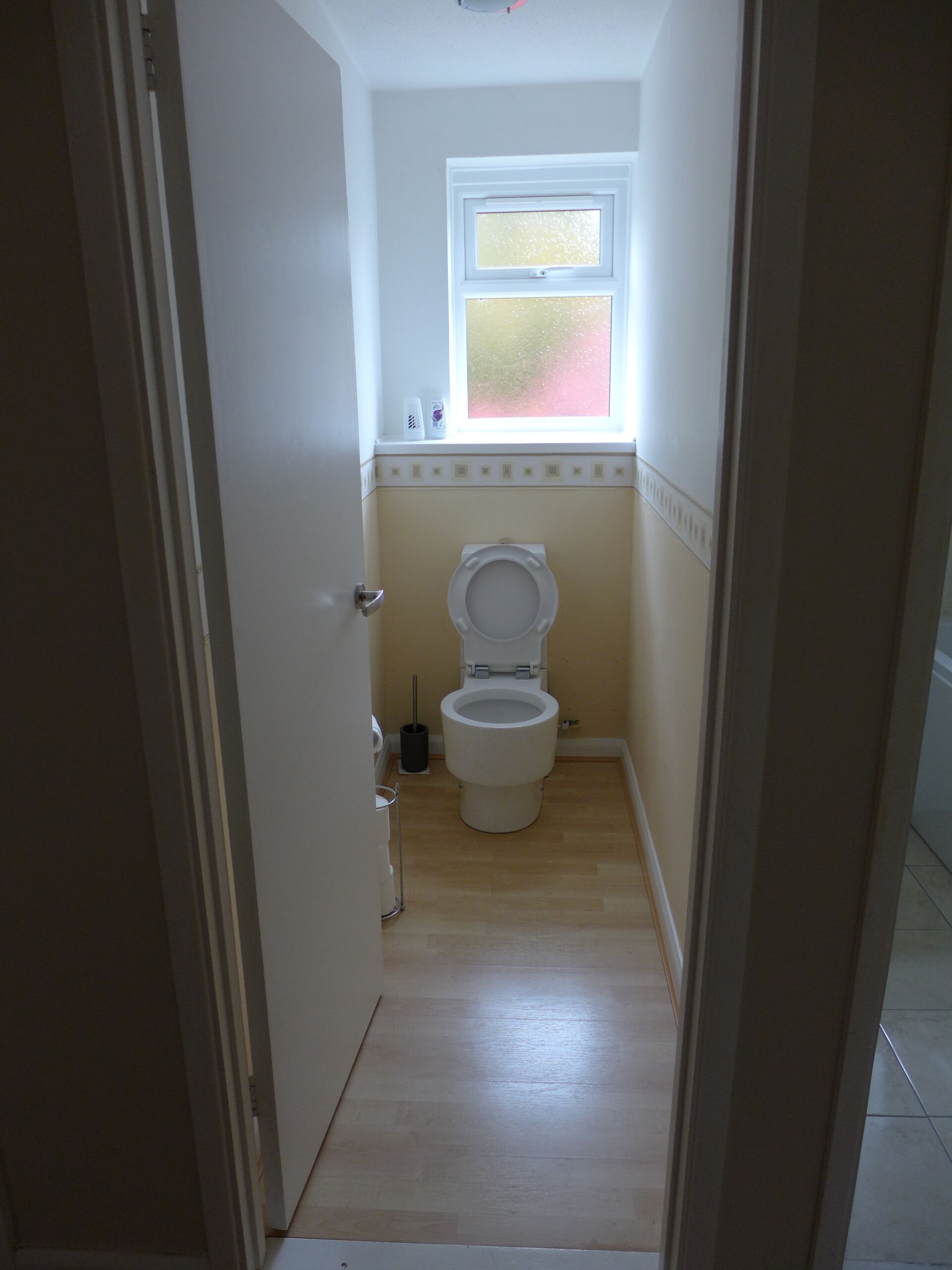
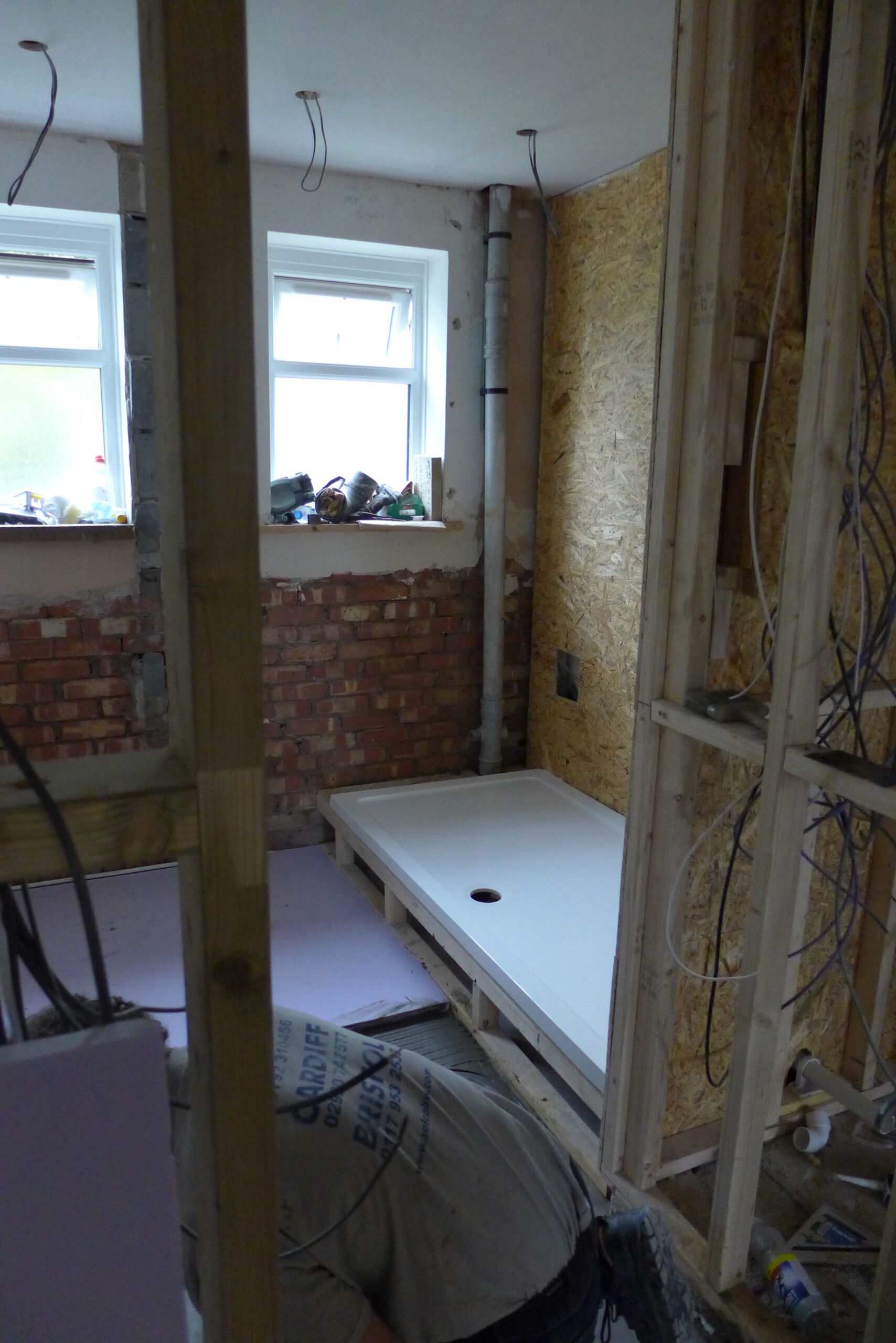
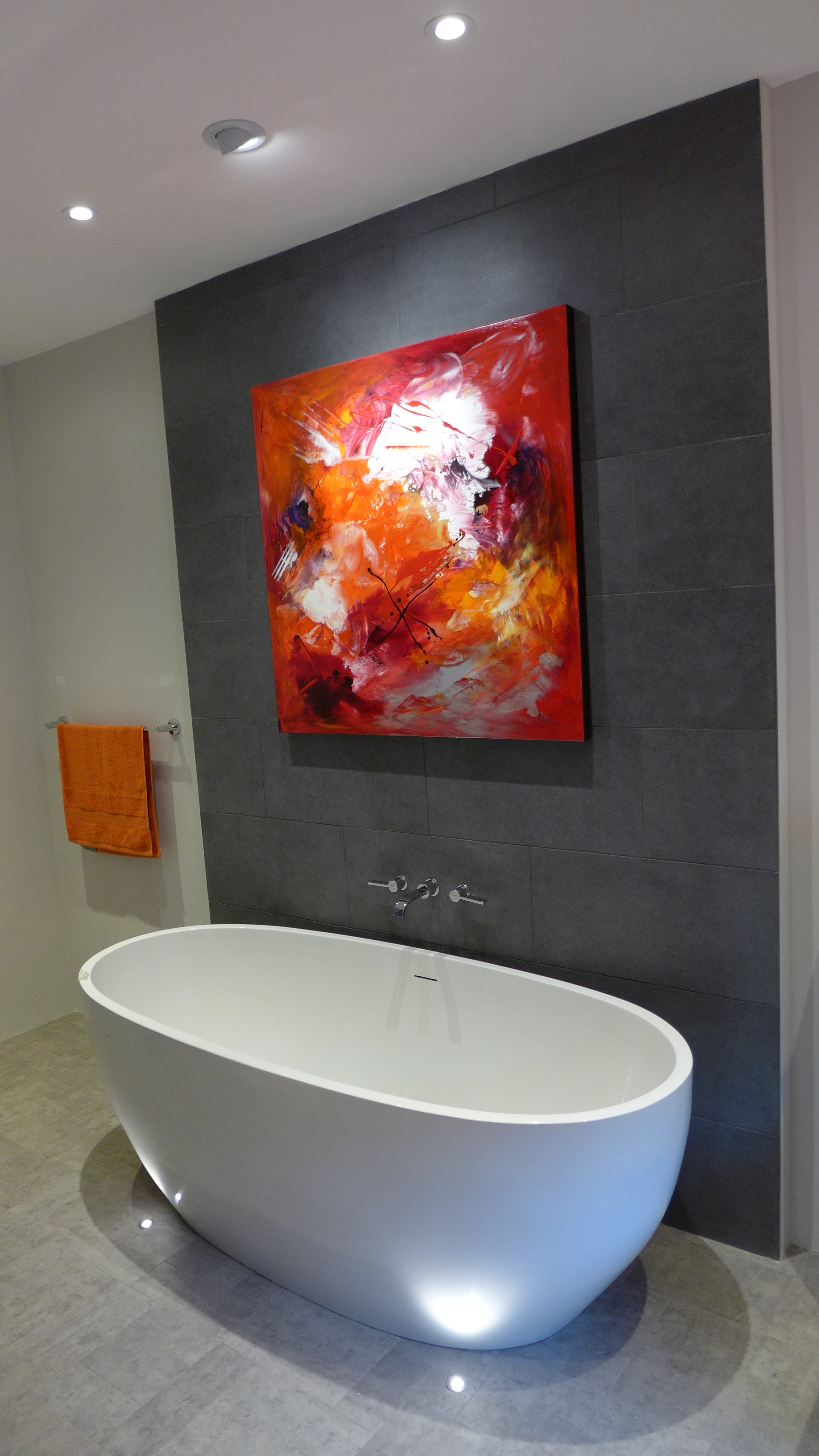
The third stage was to renovate the bathroom and fit out the old dining room as a second office. The bathroom (actually a semi-wet room) would cost around £19 500 at 2023 prices, retaining a bath, whilst incorporating a walk in shower with hinged screen.
Home Office

Clients often ask us how best to use their old dining room once they’ve invested in a kitchen-diner. This home office would cost around £9000 at 2023 prices. Fitted furniture won’t add to the value of the property, but it is functional and makes great use of the space.
Victorian house refurbishment
The second case was of a client calculating whether to move house or to stay and renovate. He loved the area, but was reflecting on the cost of home improvements against the cost of finding a new home. He had estimated the latter in terms of fees, cost of removals, cost of the new purchase, taxes and so on. An estate agent had advised him of the increased value of his refurbished house. But he needed guidance on the cost to carry out the renovations.

We carried out a feasibility study for him based on our cost records from past renovations. This included exterior works to the roof, garden and patio, as well as interior remodelling.
Considering his options, our client decided to invest in his existing home. This amounted to £170 000 at 2023 prices, of which £40 000 was allotted to portable items (TV, sound system and new furniture that he could take with him). So a net cost of £130 000 on interiors, the fabric of the home and its grounds. The client calculated that it was worth investing this sum in his home to remain in an area he loved, rather than sink money into relocating.
Thirties property – to buy or not to buy? That is the question
In the third case, our clients were looking to purchase a basic thirties property in Bath. They estimated the total outlay including house price, fees, and cost of home improvements that would deliver a positive return on their investment.
Why spend so much on this mundane property? Why not just buy a more expensive house? In this case, location was key, with breath-taking views over the city. Our clients had a clear idea of what they wanted; they were prepared to buy a less-than-ideal house then modify it into their dream home.
We were asked originally to provide a proposal to oversee design and implementation of the proposed works, but we also offered to carry out an independent review of the figures, using our extensive database of prices for comparable projects. Our clients used rules of thumb for building works which, on the face of it, were reasonable. At 2015 VAT inclusive prices, they anticipated a basement conversion at £3000/m2, building extensions at £2000 – £2500/m2, and a general refurbishment budget of around £60 000 to modernise the house. This came to a total of £300 000 (VAT inclusive).
They also expected a high end “quality” finish.
The issue with rule of thumb estimates is that they generally provide for a habitable space with moderate fixtures and fittings. Stylish staircases are additional, as are bifold doors, special lighting, underfloor heating, quality floor finishes, and so on. Rules of thumb also do not scale linearly – a 30m2 extension might cost £84 000 but a 5m2 footprint extension would cost significantly more than £14 000. So you need to be cautious when using rules of thumb whereas actual costs from similar works are more reliable.
House renovation estimate
We produced a detailed spreadsheet using cost data from previous projects mapped to our clients’ outline requirements. Starting with their ceiling of £300 000 (2015 figures), immediately VAT consumed £50 000. We then estimated the habitable basement (which required excavation and underpinning) to cost £90 000 and the two extensions, £60 000; this just left £100 000. Considering the quality of finish, we allocated £25 000 to the kitchen and £35 000 to the three bathrooms / en-suites. That left £40 000 for everything else. With £30 000 for architect, structural engineer and project management fees and a 10% risk provision, the budget was already bust before considering special staircases, balconies, floor coverings, internal remodelling and general refurbishment of all the rooms.
We used the spreadsheet to explore options with reduced scope, but our clients concluded that they couldn’t achieve their ideal home for the budget. Whilst, on the face of it, this ended in a negative result, actually it was hugely important for our clients. They could have made a significant purchase of a property that couldn’t deliver their dream home.
So how much should we spend on home improvements?
In this article, we’ve explored a few case studies of individuals with a different approach to home investment. Everyone hopes that their changes would increase property value, but that doesn’t tell the whole story. Ultimately, it boils down to the value you put on things, and what you can afford.
We hope you found this useful. There is a more extensive list of indicative prices in home refurbishment costs from our other projects since 2004.
